London Trial Over Alleged Iran-Linked Surveillance of Journalists

Three men are on trial at Woolwich Crown Court accused of surveillance and research in Britain to enable serious violence for Iran's foreign intelligence service. All three deny the charges and the trial continues. The Guardian
The defendants are Mostafa Sepahvand, 41, of St John's Wood in north London, Farhad Javadi Manesh, 46, of Brent, and Shapoor Qalehali Khani Noori, 57, of Ealing. Sepahvand is charged with surveillance, reconnaissance and open-source research with intent to commit serious violence in the UK. Reconnaissance here means scouting locations in person, like casing a building. Open-source research means collecting public information online. Manesh and Noori face charges of surveillance and reconnaissance intending that others would commit serious violence in the UK. The cases are brought under the National Security Act, the UK law covering espionage and security threats. Each man has denied two charges under the Act. The Arab Weekly
Prosecutors allege Sepahvand intended to carry out a violent attack himself against at least one target, while Manesh and Noori assisted in planning. The alleged targets were Mojtaba Pourmohsen and Kambiz Hosseini, journalists for London-based Iran International, and Jonathan Turner, a founder member of UK Lawyers for Israel.
The alleged activity ran between August 2024 and March 2025. Prosecutors say the men visited addresses linked to the targets, took photographs and video, and used online platforms including ChatGPT to research them. In a voice note read to the jury, Sepahvand said he would "finish off" a target if paid £150,000 and asked for £10,000 upfront.
There is no dispute that the three conducted the surveillance and reconnaissance. The prosecution told the jury that point is conceded. The contest turns on intent and knowledge. Sepahvand accepts he conducted surveillance for the benefit of the Iranian regime but claims he was threatened and deliberately did a bad job. Manesh and Noori claim they did not know the surveillance was to assist the Iranian intelligence service. The distinction matters because the charges require proof of intended violence and, for the latter two, that others would commit it.
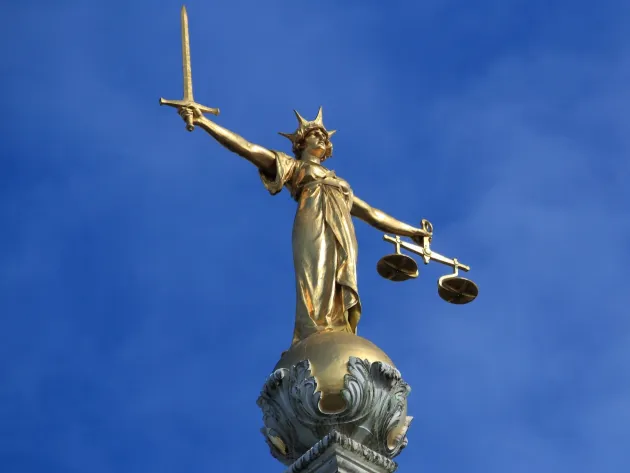
The case has moved through several custodial hearings. The three, all described as from London, appeared in custody at Westminster after being charged, according to earlier reporting. BBC They later appeared at the Old Bailey accused of assisting Iran's foreign intelligence service and plotting violence. Reuters
The broader context here is narrow and technical. Prosecutors do not need to prove an attack occurred. They need to prove purpose. For Sepahvand, that means linking surveillance to his own intent to commit serious violence. For Manesh and Noori, it means linking it to an expectation that someone else would act. Defences based on coercion, poor performance, or lack of knowledge about the ultimate beneficiary will test how far open-source collection, drive-bys and phone research can support those inferences.
For newsrooms and courts, what to watch is the target set and method. Two are working journalists for an exile outlet. One is a communal advocacy figure. If the jury accepts the prosecution account, the operation blended physical reconnaissance with routine digital tools. That combination lowers logistical barriers and complicates detection. A conviction would give prosecutors a tested template for National Security Act cases built on preparatory conduct. An acquittal would clarify the limits of intent-based liability when defendants admit the acts but dispute why they acted.