Trump Allegedly Told the FBI to Investigate L.A. Protesters
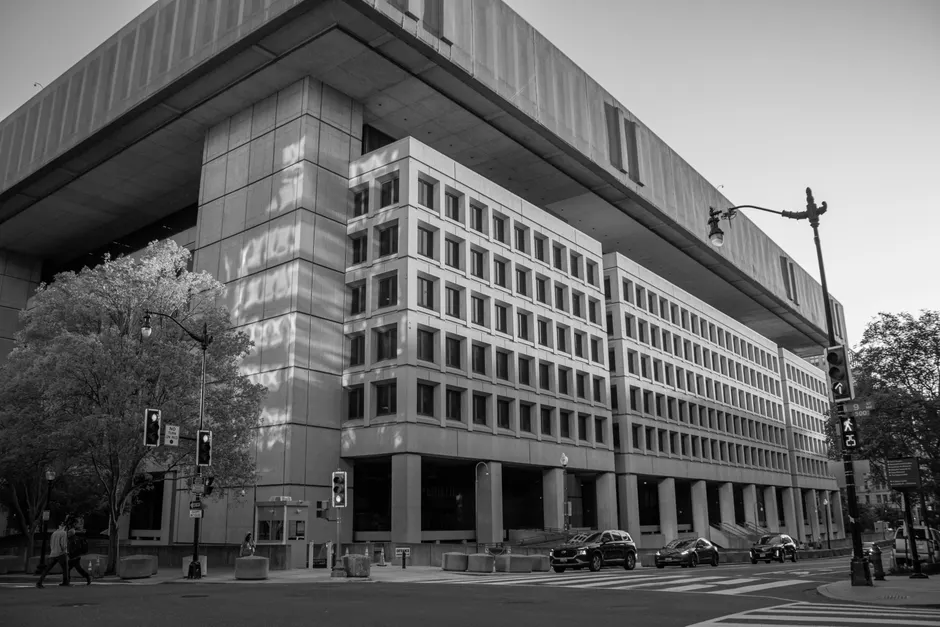
Donald Trump ordered the FBI to investigate Los Angeles protesters opposed to his immigration crackdown, according to a whistleblower complaint disclosed on 6 October 2026. The Guardian
Senator Alex Padilla said his office received a copy of the complaint about the administration's response to Los Angeles protests in early 2025. Padilla, a Democrat from California who serves on the Senate Judiciary Committee, published a press release announcing the disclosure. NBC first reported the allegations after viewing a copy.
The whistleblower is Jill Fields, a former supervisory intelligence analyst in the FBI's Los Angeles field office. She joined the FBI in May 2016 and resigned last year after being removed from overseeing several programs.
The complaint alleges then-acting Deputy Attorney General Emil Bove told Los Angeles field office head Akil Davis to open an investigation into protest activity outside federal buildings. A second claim centers on a specific video.
Trump viewed a TikTok video of protesters in Alhambra, California warning neighbors about federal immigration officers nearby and advising them of their legal rights, the complaint alleges. The White House then instructed FBI Director Kash Patel to direct the Los Angeles office to investigate the protesters in the video because the president was angry.
Fields' team assessed the conduct and concluded it was constitutionally protected speech with insufficient evidence for an investigation. The complaint states a colleague told Fields "the president wants this investigation" despite concerns about its legality.
To carry out the White House requests, a dedicated immigration squad of 10 agents was created, the complaint states. Some agents were taken off active cartel cases to staff it.
Padilla's summary states Trump reportedly ordered the FBI to investigate and arrest Los Angeles protesters. Padilla called the allegations "deeply alarming." His office said the case involved protesters exercising First Amendment rights, the protections for speech and assembly. Sen. Padilla's office
The White House denied the allegations as false. It said "the First Amendment does not protect violent rioting." Separately, the FBI opened preliminary investigations, early-stage checks to decide if a full case is warranted, targeting anti-ICE protesters in Southern California. CNN
Looking at what this means for oversight and Bureau practice, the disclosure tests two limits at once. A preliminary investigation requires an authorized purpose and a factual basis, what the FBI calls predication. The analysts' finding of protected speech and weak evidence goes directly to that test.
In my view, the chain of tasking described will draw the closest scrutiny. The complaint does not describe a case started by agents in the field. It describes direction relayed from the White House through the FBI director, and from the acting deputy attorney general to the special agent in charge. For specialists in Justice Department norms, that alleged routing matters more than the protest activity itself.
The broader context here is resources and review. A 10-person squad drawn in part from cartel cases is a concrete operational tradeoff. The next steps turn on documentation. The disclosure text, messages from the time, internal memos on predication, and testimony from Davis, Bove, Patel and Fields would show whether the early investigations had a proper basis or were directed outside normal Bureau process.


