Andy Burnham's Bid for Labour Leadership: Can Moving Power North Work?
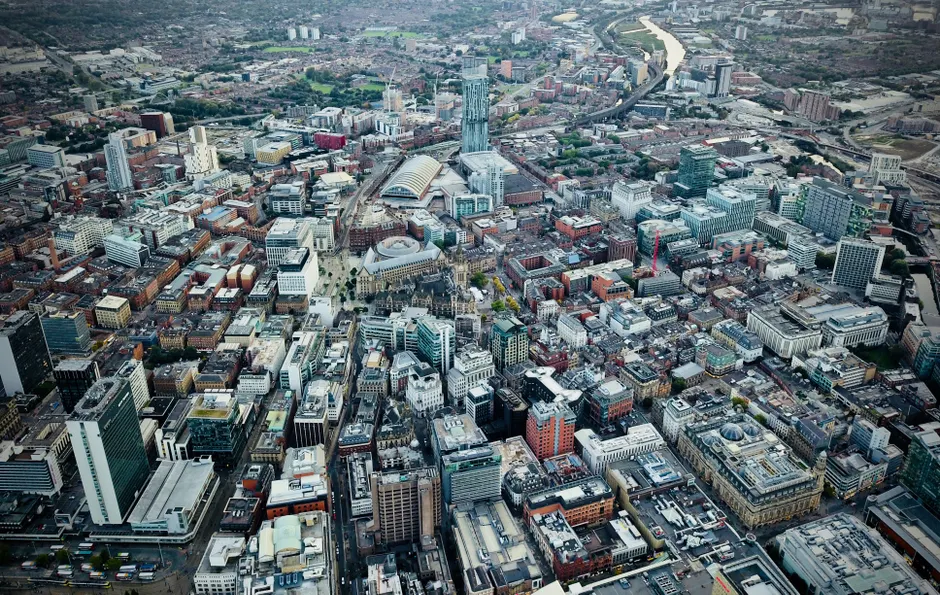
Andy Burnham announced his candidacy for Labour leadership on 29 June 2026, entering the race to succeed Keir Starmer—who has confirmed he will resign as Prime Minister—with a central promise: take governing power away from London and spread it across the country.
The heart of his campaign rests on a 10-year plan to give mayors (particularly in the North) much more authority over their cities and regions. He is also proposing what he calls a 'No. 10 in the North'—relocating key operations of Downing Street itself outside London. This is not simply about investing more money in northern cities. It is about changing where the actual decisions of government get made.
Burnham has unusual credibility on this issue. He served as Mayor of Greater Manchester before returning to Parliament, giving him real experience with how regional government works. During Starmer's time as Prime Minister, Burnham made a habit of publicly disagreeing with central government policies, a stance that PBS reported left him trapped between his public criticism and his party loyalty. Now, running for leader, he is using that distance to his advantage.
The 'No. 10 in the North' proposal is bold because it demands real institutional change. Moving Downing Street functions northward would not be a symbolic gesture. It would mean reorganising how civil servants advise the Prime Minister, how government decisions are formally recorded, and how the day-to-day machinery of state operates. Whether Burnham has specific operational details in mind or intends this chiefly as a rallying cry will likely become a flashpoint as his rivals and constitutional experts scrutinise the pledge.
Devolution—the idea of shifting power and resources from central government to local areas—has a messy history in British politics. Previous governments have launched decentralisation programmes before, from Tony Blair's regional assemblies to the Conservative 'Northern Powerhouse' under David Cameron and George Osborne. Most of these started with fanfare but delivered less autonomy than promised. Burnham's 10-year timeline stands out because it suggests a slower, steadier pace than typical political campaigns—implying he would need two full terms as Prime Minister to complete it. That framing also reflects a calculation: real institutional change takes longer than one election cycle.
Burnham enters a leadership contest still taking shape. Starmer's resignation triggers Labour's selection process, in which Members of Parliament, affiliated trade unions, and ordinary party members all vote, with their votes weighted differently. Burnham faces a strategic challenge: he must rebuild relationships with Labour MPs in Parliament while also appealing to union leaders and party members, who are more responsive to his brand of regional politics and public service focus.
The strategy here appears to rest on a shift in how Labour frames its own divisions. Rather than the left-versus-right ideological split that dominated the Corbyn-to-Starmer years, Burnham is betting the party's real tension is between London and everywhere else, between trust in Westminster institutions and demands for genuine local control. Whether this framing persuades the MPs and insiders who will largely decide the contest—or whether it positions him better for a future leadership race—remains genuinely uncertain.
Context matters: Labour's leadership elections give different voting groups different levels of influence. MPs have substantial say, which can advantage candidates with strong relationships inside Parliament. Union members and ordinary party members have more weight than they do in some other parties, but less than MPs. Burnham must navigate all three constituencies with different messages.


