Tesla Extends Home Backup to Model 3 and Model Y, With Hardware Limits
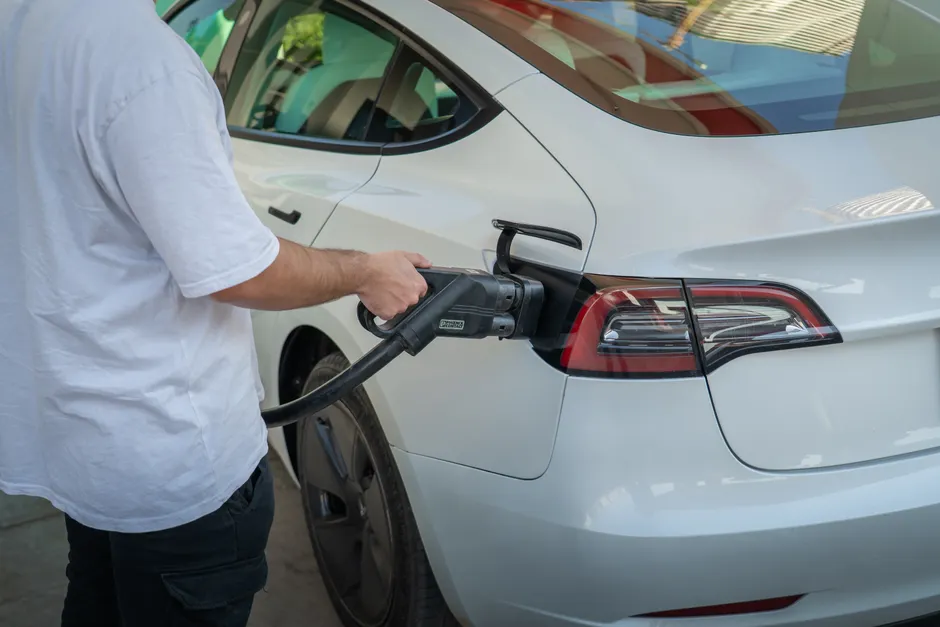
Tesla has extended Powershare Home Backup to the Model 3 and Model Y, after limiting it to the Cybertruck. The Verge
That brings two more models into use as home backup sources, but only when paired with specific Tesla energy hardware.
On Model 3 and Model Y, Home Backup requires Powerwall 3, Tesla's current home battery. Tesla says support for Powerwall 2 and Powerwall Plus is coming soon. Tesla only guarantees Home Backup on Model 3 and Model Y vehicles ordered from October 1 onward.
The limit is hardware. Not all older Model 3 and Model Y cars include the PCS2 Lite inverter, which converts battery power into household electricity. Tesla's Powershare Home Backup Bundle includes a Universal Wall Connector and a Powershare Gateway. Tesla
Tesla lists the Model 3 and Model Y version as available in the US and Puerto Rico, but not Canada. It is not available for Model S or Model X. Powershare Grid Support, the function for interaction with the wider grid, remains exclusive to the Cybertruck.
Tesla says Model 3 and Model Y Premium and Performance models can extend home backup to over two days. Tesla says the Cybertruck can provide over three days of home backup, at up to 11.5 kW of power to a home. A kilowatt measures how much power flows at one moment. Tesla
The vehicle is only one part of the system. With Powerwall 3, Gateway, Wall Connector and the correct inverter all required, Home Backup is a matched set rather than a software unlock. Installers will need to verify model, trim, order date, inverter revision, storage version and connection hardware before promising backup.
In my view, the October 1 order date is the detail to watch. It creates two groups of cars that look the same but behave differently in an outage. That complicates used-car checks, while it keeps Tesla's support line clear while Powerwall 2 and Powerwall Plus support is pending. Keeping Grid Support on Cybertruck alone also separates outage backup from grid interaction.
The broader context here is practical. When the hardware lines up, owners can use capacity they already own to keep a house running. That will not replace dedicated home storage in every case, but it widens options for resilience. What matters next is everyday installation practice, from commissioning to coordination between car and Powerwall to local utility rules.


