Japan's Nikkei Slid 2% on AI Spending Doubts: Why Chips Hurt Tokyo Most

Japan's Nikkei share average closed more than 2% lower after a sharp fall in Alphabet shares raised doubts about spending on artificial intelligence, according to Reuters reporting published July 23, 2026.
Selling focused on the AI buildout. That is capital expenditure, or capex, the money big tech companies spend on chips, servers and data centers. The Nikkei has a heavy weight in semiconductor equipment, components and trading houses tied to global growth, so it took the spillover from the United States-led fall in large tech shares directly.
The broader context here is concentration risk, and it matters for ordinary savers. If your pension or global fund holds Japan, a fall driven by one crowded theme can lower its value even when most Japanese businesses have not changed.
A volatile July for Tokyo
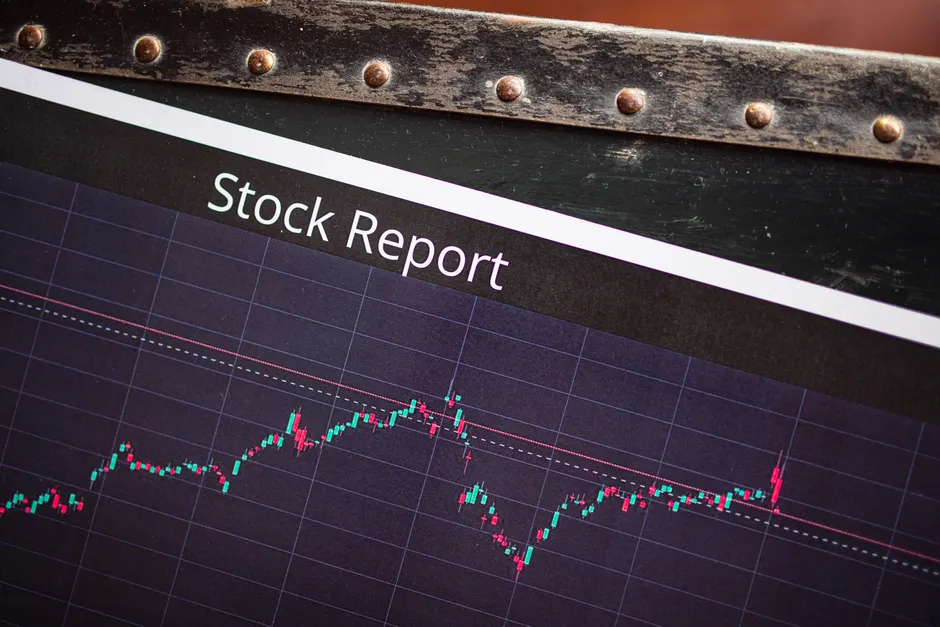
Japan's benchmark Nikkei 225 fell 4.03% to close at 64,141.12 and entered correction territory, Reuters reported July 17, 2026. Correction means 10% or more below a recent high. Losses reached as much as 6.18% during the day. The report linked the fall to a selloff in technology shares combined with conflict in the Middle East.
Volatility continued into late July. On July 28, 2026, the Nikkei posted its lowest close in over two months on a selloff in chip stocks, according to Reuters Connect. Weakness started in semiconductors and large-cap growth stocks, then spread more widely.
A separate session showed the other side of that move. Japan's Nikkei Stock Average ended flat, with gains in electronics and machinery shares offsetting losses in financial stocks, according to the Wall Street Journal. The flat index hid sharp differences between sectors.
Why the intraday swings matter
In my view, the trading range tells more than the close alone. A fall that reached 6.18% intraday, meaning within the same day, but ended 4.03% down points to heavy forced selling followed by some dip buying. That pattern often reflects hedging with futures, flows from options dealers and share sales late in the session, not calm rebalancing.
Looking at what this means for positioning, the sector detail matters. Electronics and machinery gains balancing financial losses suggested investors were separating demand for factory equipment from risks for rate-sensitive banks and insurers. When chips later led the market to a two-month closing low, that separation broke down. Correlation, meaning stocks moving together, spiked.
What matters for risk management is cross-market links, not Japan-only news. Doubts about Alphabet-led AI spending, a global tech selloff and geopolitical headlines all hit the same crowded exposure in Japanese chip and machinery stocks. The cash close of 64,141.12 on July 17 gives professional desks a reference point for value-at-risk models, which estimate possible loss, and for measuring any bounce. Price action, not stories, will decide whether that level works as support where buying returns or as overhead supply where selling caps a rebound.