Coalition Admits Its Migration Plan Wasn't Fully Costed
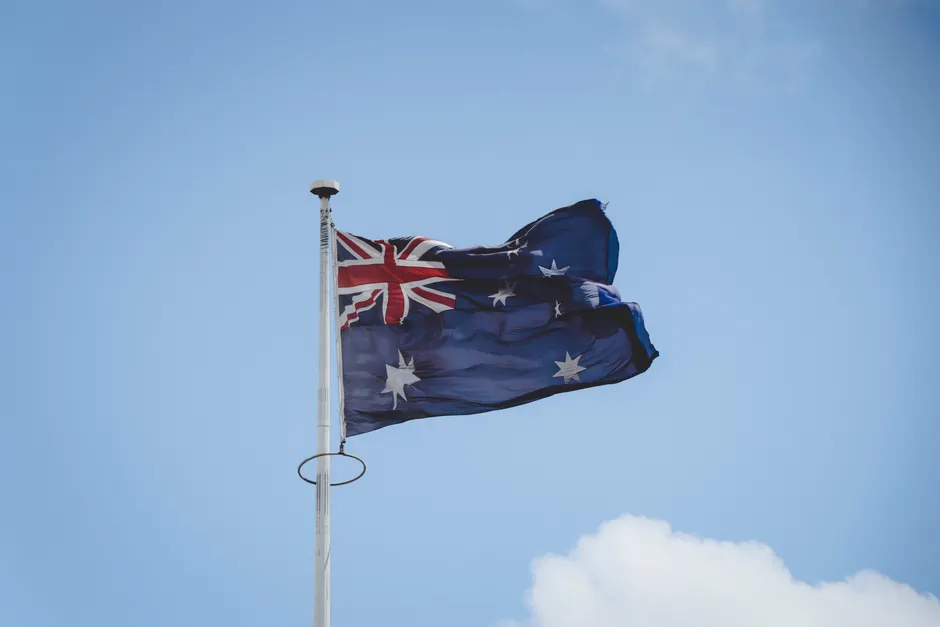
Coalition MPs have conceded the Coalition's newly released immigration policy had not been costed in full by the Parliamentary Budget Office. Guardian Australia
The admission was made on 7 October 2026, a day after the policy launch.
Opposition Leader Angus Taylor defended the plan as "budget neutral". Deputy Liberal leader Jane Hume said the Coalition had "worked closely" with the PBO on the plan. Guardian Australia
Taylor's office said the policy will be costed before the next federal election. It said internal analysis and existing costings were used in the design. Coalition sources told Guardian Australia the PBO had not conducted a full analysis of the new policy before its release. The PBO declined to comment on 7 October 2026 on the costing claims.
A Coalition policy document stated the party worked with the PBO to assess the budget impact and found a small positive return. That is different from a full costing. Working with the PBO can mean advice, help with inputs or use of prior costings. A full costing is the formal, published product, with assumptions, methodology and fiscal tables. The PBO is the independent budget checker for the parliament.
The numbers in the plan are specific. Net overseas migration, which is arrivals minus departures, would fall to 100,000 per year for two years. It would then rise to 130,000 in the third year and 160,000 in the fourth year. Guardian Australia
Taylor has described the proposal as the biggest migration cut in history and said the cut won't hurt the economy. Australian Financial Review The plan would reduce the stock of temporary visa holders by a net 650,000 during a first term.
The mechanism centres on temporary visas. The overhaul targets graduate visas, for former international students, and bridging visas, for people waiting on another visa decision. ABC News
It also links migration to housing supply. The plan proposes capping net overseas migration each year below the number of new homes built. The Liberal Party titles its migration policy page "Our Plan for Less Migration and More Homes".
The 6 October 2026 Liberal announcement refers to a prospective "Taylor-Canavan Government". Liberal Party
There is PBO material in the background, but it is not a costing of this package. The PBO has published a document titled "Permanent migration program – reduction", which states the proposal would start on 1 July 2025. It has also published a document titled "Student visa work hours – increase", which assumes around 63% of employed international student visa holders work the maximum permitted hours under the baseline.
Those documents are election-related costings from earlier tranches, not a whole-of-package assessment of the October plan. Taylor's office now says that gap will be closed before the next election.
The politics were immediate. Acting Prime Minister Richard Marles said the plan would hurt agriculture, aged care and defence. Taylor conceded that aged care workers would be hit by the plan. ABC News
The broader context here is why oppositions usually lock in a PBO stamp before launch. Without a published costing, "budget neutral" is a claim, not a finding. Migration affects revenue and spending across visas, tax, welfare, health, education and settlement. Internal analysis can shape policy. It does not carry the same weight as an independent costing the press gallery, Treasury and the crossbench can test.
In my view, the Coalition has created two problems for itself. The first is process. Saying you "worked closely" with the PBO invites the obvious question: where is the costing number? The second is substance. A 100,000 target plus a 650,000 reduction in temporary visas is a large administrative and economic shift. It sits awkwardly with promises of economic neutrality and steady workforce supply until the modelling is public.
Canberra has seen this play before. An opposition releases the headline, promises the costing later, and says the direction is what counts. Sometimes the numbers hold up. Often they shift once the PBO applies its assumptions on behaviour, timing and take-up. Graduate and bridging visas show why. Changes there interact with applications, appeals, work rights and departures in ways that are hard to model internally.
Looking at what this means for the next phase, the test is straightforward. Publish the full PBO costing with forward estimates impacts, migration and visa assumptions, and any offsets. Show how the housing cap would work, including what counts as a new home and what happens if building undershoots. And reconcile the aged care concession with the no-harm-to-the-economy argument. Until then, the policy is best read as an intent with targets, not a budgeted plan.


