Pakistan's Fuel Discount Reaches 9.5 Million: How the SMS Scheme Works
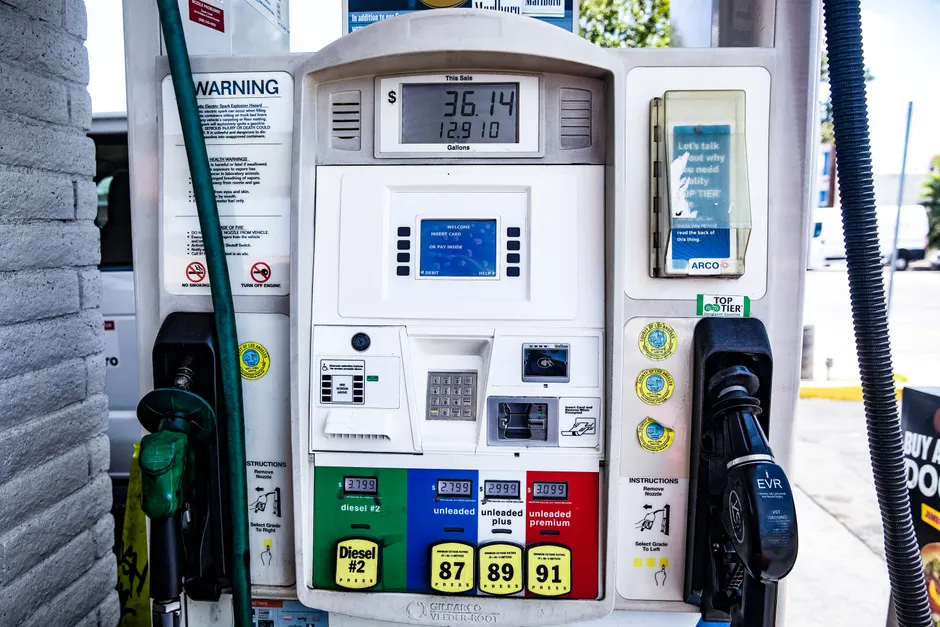
More than 9.5 million people had received discounted petrol under Pakistan's fuel relief scheme as of October 7, 2026, Federal Minister Shaza Fatima Khawaja said. Launched in September 2026, the scheme offers 100 rupees off per litre for motorcycles, rickshaws and small cars through text messages. Al Jazeera
Applicants text their national ID number, vehicle registration and province to 9771. They send a second message before each pump visit to get a redeemable token, like a one-time coupon code. Two- and three-wheelers get 500 rupees per week, capped at four tokens per month. Cars with engines up to 800cc get 1,000 rupees every 10 days, capped at three tokens per month.
The funding is fixed for now. The government approved 75 billion rupees for the first three months, through November. Petroleum Minister Ali Pervaiz Malik said monthly costs were 25-30 billion rupees at launch, rising to 35-40 billion rupees by late September. The government charges a levy, a tax, of 114 rupees on every litre of petrol.
The design has changed after complaints. Registration was first paid and is now free. A five-litre minimum purchase was removed. On September 20, Pakistan dropped the ownership rule for two- and three-wheelers, so riders no longer need the vehicle in their own name if they give the exact registration date.
For context on coverage, an earlier cash-transfer scheme in April reached just over one million bike owners. The current system has grown faster. Gaps persist around registration data, shared vehicles and access to mobile phones.
Prices provide the backdrop. In March 2026, Pakistan decided to raise consumer diesel and petrol prices by 20 percent after global prices spiked. Pakistan Finance Ministry In early April 2026, Pakistan raised fuel prices again amid the Mideast conflict. Reuters In the three weeks before April 2, 2026, the government had spent 129 billion rupees on fuel subsidies. Petrol prices have risen nearly 50 percent since the war on Iran began on February 28. On September 17, 2026, Pakistan announced austerity steps to conserve fuel as the Gulf conflict continued. Reuters Those steps included a ban on foreign visits by officials, a ban on state vehicle purchases and cuts to fuel for official vehicles.
The broader context here is a shift from broad price cuts to targeted help. The April approach held down pump prices for everyone and used budget room in weeks. The September model tries to let retail prices reflect world prices while cushioning motorcycle, rickshaw and small-car users, groups most exposed to transport inflation and hardest to reach through other aid.
Looking at what this means for how long the policy lasts, cost and administration are central. Monthly costs rose by about one-third within weeks of launch. The approved funds end in November. Whether Islamabad extends, cuts back or refocuses the scheme will test its ability to verify users by SMS, limit leakage at the pump, and keep both liberalised retail prices and official-sector austerity.


