Paxton Tells Donors Iran War and Fuel Prices Are Hurting Republicans

Texas Attorney General Ken Paxton told donors at a private fundraiser in Washington, D.C. in September that rising fuel prices connected to the Iran war are hurting Republicans before the midterms, according to audio obtained by Axios and first reported on October 7, 2026. Axios
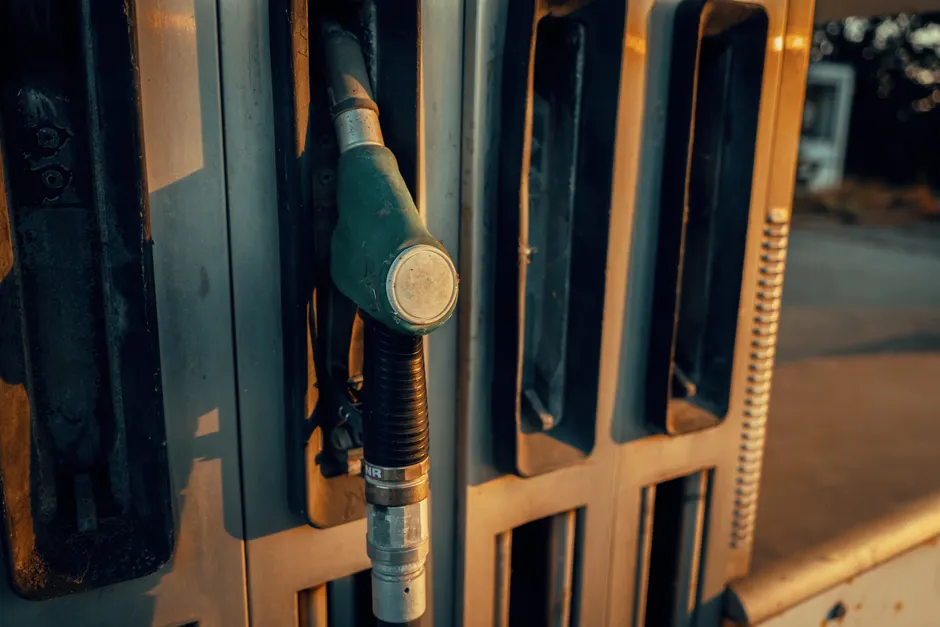
Paxton, the Republican candidate in Texas's competitive Senate race, was asked what was holding back his campaign. "It's not tariffs ... it's the war, it's gas prices, it's diesel." He called affordability, the cost of basics like fuel and food, the biggest problem for Republicans heading into next month's election. He said those cost pressures explain why his campaign is struggling in the polls.
He gave a specific number. Paxton said when diesel costs more than $6 per gallon, people feel the pinch. He said higher fuel costs push up food prices and other costs. The comments were made to donors and lobbyists. The audio was shared with Axios by an attendee who opposes Paxton and was granted anonymity because the event was private.
Paxton said there is little he can do directly about those conditions. After one attendee said he cannot stop the war, Paxton said he has no control over gas prices. He said many factors in this federal race are beyond his control and that control of his campaign is coming from D.C. "I don't make the decisions, and I don't know what's behind some of the decisions." The Guardian
On policy, he pointed to Congress. Paxton said the only way he can help on affordability is to propose legislation. In the recording, he said he wants to lower costs through a proposed tax-cut plan that includes tax write-offs (deductions) for health care and housing costs. The plan also expands the child tax credit, a tax break for families with children.
Paxton said President Donald Trump's midterm convention in Dallas lowered his campaign's numbers. Trump endorsed Paxton in the Republican primary despite requests from Senate Republicans to support Sen. John Cornyn. Paxton defeated Cornyn in a May primary runoff, a second round of voting held when no candidate wins outright the first time. Trump was scheduled to join Paxton at a rally in San Antonio on Wednesday evening.
Paxton's opponent in the general election is Democratic state Rep. James Talarico. Most polls have shown Talarico with a narrow lead over Paxton. Talarico would be the first Democrat elected to the U.S. Senate from Texas since the 1980s.
Paxton campaign spokesperson Madison Cercy called the comments a non-story. Forbes also reported on October 7, 2026 that Paxton complained about gas prices and the Iran war in the leaked audio obtained by Axios.
National polling cited in the coverage shows similar pressure. AP/NORC polling found about 74% of Americans said the economy was doing poorly and 65% blamed Trump's policies directly for higher costs. In the leaked audio, Paxton said rising fuel prices tied to Donald Trump's Iran war were hurting Republicans before the midterms. The Guardian
The broader context here is a common midterm problem: a Senate candidate is campaigning on cost-of-living concerns he cannot control directly. For Paxton, the approach looks like distance on the economy without breaking publicly with Trump, voicing concern about the war and fuel prices to donors while appearing with Trump in public. For Republicans, Texas will test whether promises on taxes, health care, housing and the child credit can ease voter anger over pump and grocery prices. For Democrats, a narrow lead in a state they have not won for decades gives Talarico a chance to keep the focus on affordability rather than party loyalty.
Looking at the final weeks, watch two things. First, whether Paxton uses any of this language in public or keeps it in donor rooms. Second, whether the San Antonio rally steadies his campaign or sharpens the contrast between direction from Washington and a candidate telling donors that Washington calls the shots.