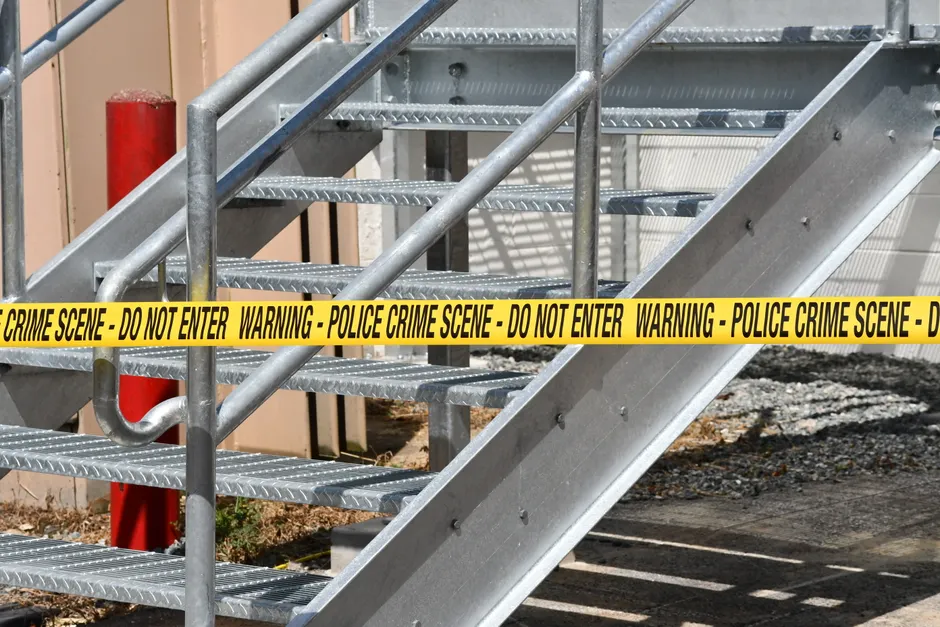
Explosion in Monaco: What We Know and What Investigators Are Asking

A backpack bomb detonated outside a residential building in Monaco on June 29, 2026, injuring three people, two of them seriously. A suspect fled the scene before authorities arrived.
Monaco's government quickly labeled it "very likely an attack," BBC reported, and the incident is being formally investigated as a suspected terrorist act. France 24 confirmed the explosion was deliberate and involved an explosive device. Bomb disposal teams and judicial police responded to the scene — standard procedure when authorities suspect an improvised explosive device and the person responsible is still at large. Times Now and Joe.ie both confirmed the suspect's flight. As of reporting, no arrest had been made and no group had claimed responsibility.
Why Monaco Makes This Unusual
Monaco is an odd place for an attack like this. The tiny principality has about 38,000 residents and is one of the most heavily policed areas on the planet. Its royal governance and concentration of wealthy residents mean security infrastructure — cameras, patrol units, checkpoints — far exceeds what you'd expect for its size. The fact that someone managed to leave the scene undetected before authorities arrived raises immediate questions for investigators about how that was possible.
What the Target Tells Us (and Doesn't)
The bomb was placed at a residential building, not at a government building, embassy, or symbolic site. This ambiguity matters. Attacks on homes can reflect personal disputes between individuals, organized crime activity, or ideologically motivated terrorism. Monaco's unusual role as a global wealth hub means investigators will likely explore all three possibilities. The incident's location in a principality so closely tied to France — which surrounds Monaco on land and handles its defense under treaty — has drawn attention from French and European counterterrorism services.
The Significance of "Suspected Terrorist Attack"
When Monaco's government used the term "suspected terrorist attack," that wasn't casual language. In French and Monegasque law, that designation triggers specific investigative powers and potentially brings in national intelligence agencies. Whether that label sticks will depend on what investigators learn about who carried out the bombing, who they're affiliated with, and what they intended — none of which had been established publicly at the outset.
The investigation remains in its earliest stage. What is certain: a deliberate explosion, civilian casualties, a fugitive suspect, and a government already weighing the possibility of terrorism.