Shooting at German Youth Welfare Office Highlights Vulnerability of Child Protection Services
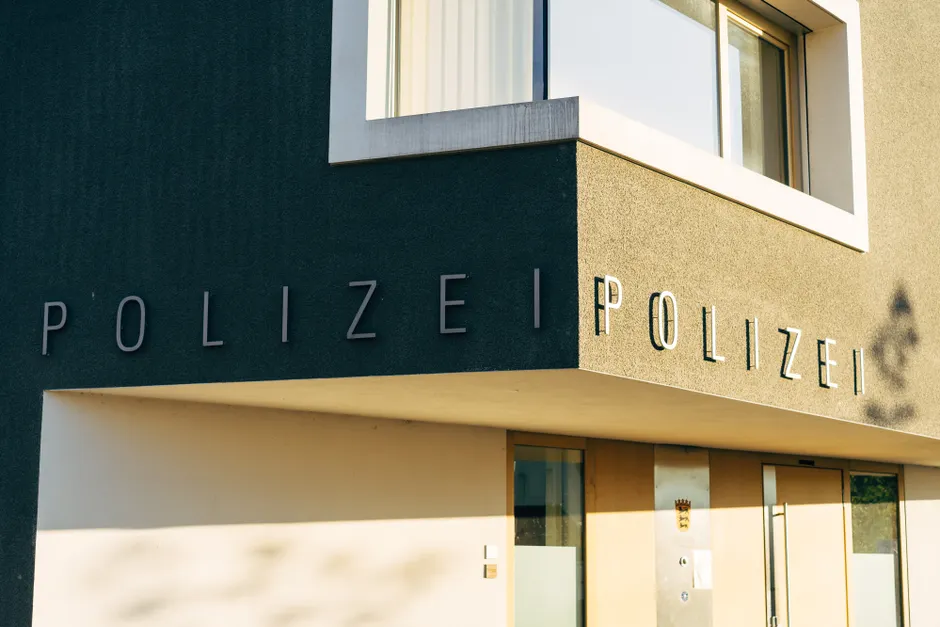
A gunman opened fire at a youth welfare facility in Stade, northern Germany, on Monday, wounding several people. Police described it as a "family tragedy," according to ABC News Australia.
The attacker was in the middle of a custody dispute over his three-month-old daughter at the time of the shooting, according to Al Jazeera. The welfare facility — a Jugendamt, or youth welfare office in German — is the government agency that handles custody cases and places children in protective care. That the shooting happened there, rather than at a private home, suggests the gunman was directly confronting the institution responsible for child protection decisions.
AP News confirmed that multiple people were wounded. The full number of injured and their conditions had not been publicly confirmed at the time of publication.
Stade is a district capital in Lower Saxony, about 40 kilometers west of Hamburg. Germany has some of Europe's strictest gun laws, requiring psychological evaluation, written knowledge tests, and proof of legitimate need to own a firearm. Mass shootings are rare in the country, though family-related violence episodes do occur.
When German police call an attack a "family tragedy," that term carries legal weight. It signals that investigators see no ideological motive or broader public threat — a distinction that affects how the case is investigated and later prosecuted. This framing also places the incident within a pattern German authorities know well: cases in which custody disputes, disputes over parental rights, or involvement by state agencies trigger extreme violence.
Child welfare offices across Europe have occasionally been targets of people who felt the state wronged them in family proceedings. The Jugendamt has particular significance in Germany. It has legal power to intervene in families, remove children from parental care, and determine custody arrangements. For a parent fighting to keep their child, the office can feel more like an opponent than a service. That emotional pressure does not justify violence, but it does explain why these facilities sometimes become sites of attack.
German security officials now face a practical question: Do these welfare offices need better physical protection? Unlike courthouses or police stations, child welfare offices are designed to be open and accessible — meant to serve families without barriers. Adding security measures means finding a balance between keeping the office welcoming and protecting staff and visitors from rare but recurring threats. Different German states have handled this challenge differently, with no uniform approach yet in place.
As of June 30, 2026, the investigation was ongoing. The attacker's identity, exactly what happened inside the facility, and the final condition of the wounded had not been confirmed in verified reporting.