Bolotana: Sardinia's Female-Led Candidate for a New Blue Zone
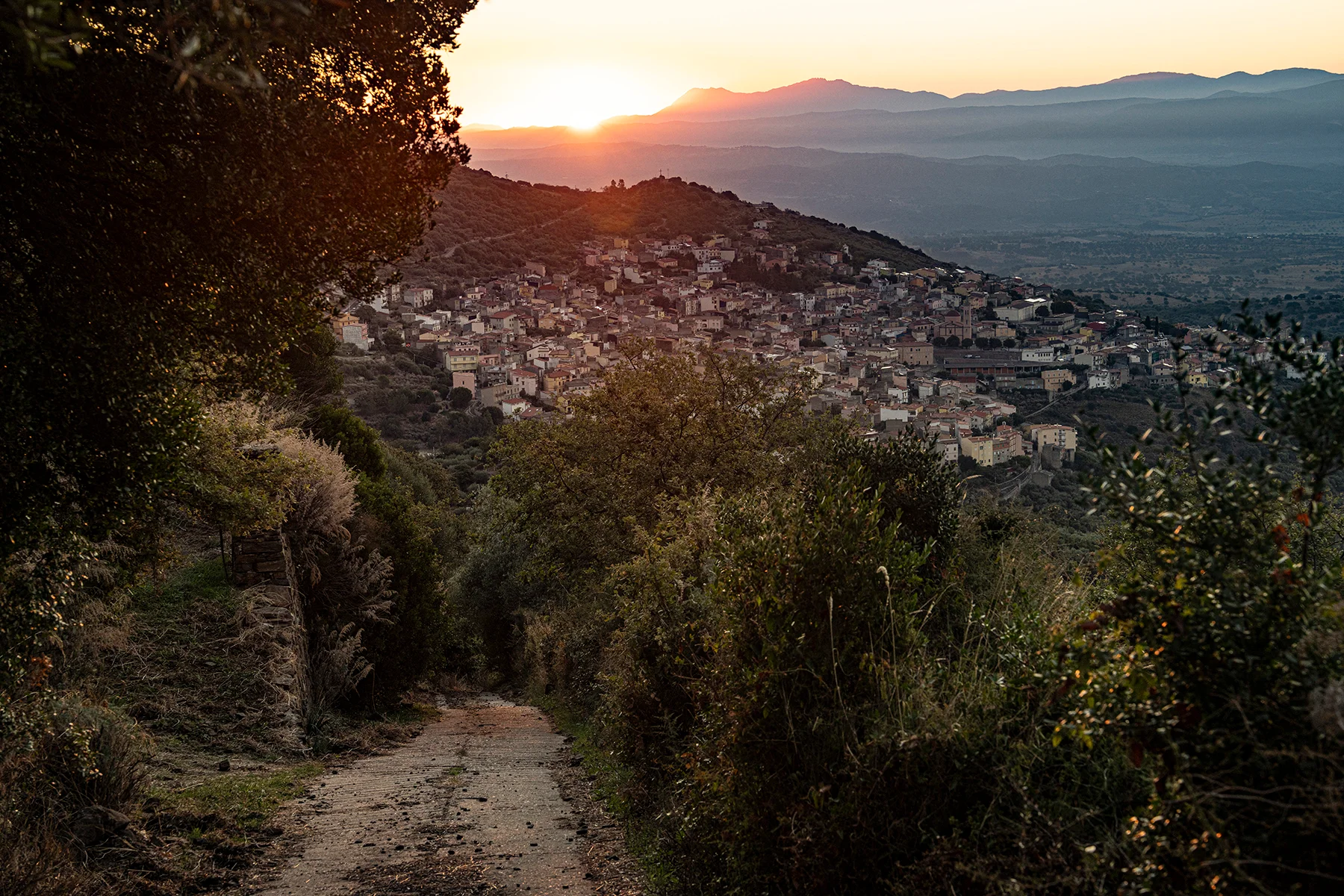
Researchers have identified Bolotana, a town of 2,266 people in the Margine area of central Sardinia, as a potential new blue zone candidate that produces centenarians every year in a trend driven by women. The town sits about 70 miles (110km) from Sardinia's original blue zone. The findings, from professors at Sardinia's University of Sassari and the University of Alabama at Birmingham, were published in the scientific journal Frontiers in Aging and reported on 8 October 2026. The Guardian
The team analysed civil records for people born in Bolotana between 1900 and 1925. Thirty-eight lived beyond 100. The measure called conditional survival means the chance of reaching 100 after already reaching 70, like narrowing a group to those still alive at 70 and then counting who makes it to 100. In Bolotana, 13.8% of women who reach 70 live to 100, compared with 3.5% in Italy as a whole. That places Bolotana second in the world for female longevity after Hong Kong and 57% higher than the Italian national average. The male figure is lower, at about 4.92% of men who reach 70 reaching 100, according to earlier reporting on the data. National Geographic
Bolotana had 12 centenarians among its 2,266 residents, roughly 12 times the Sardinian average. Six were still living at the time of reporting. All six are women. The two eldest are aged 102. Across Italy, the number of centenarians has more than doubled since 2009.
Bolotana lies outside the historically identified Sardinian Blue Zone and is described in the paper as a mountain community. Frontiers in Aging Sardinia's original blue zone villages, classified among the world's five blue zones in 1999, are known for high male longevity. Bolotana inverts that pattern, with female centenarians driving its trend. The lead scientist is Giovanni Mario Pes, a co-creator of the blue zone concept.
The broader context here is why a sex-specific reversal on the same island draws attention from demographers. The original Sardinian case stood out because men approached female survival at advanced ages, closing a gap found almost everywhere else. Bolotana restores the more familiar female advantage but at a very high absolute level. For researchers who work with small-area mortality, that raises questions about cohort size, migration selection, record completeness for the 1900 to 1925 birth cohorts, and whether period prevalence will hold as those cohorts are fully extinguished. Hong Kong and Bolotana differ in scale, health systems and migration histories, so ranking them on a single conditional-survival metric invites caution about what is being compared.
Looking at what this means for policy and research, the value is less in a new label and more in a bounded population for follow-up. A town with a documented, female-led survival advantage and a small enough population to study in depth offers a way to test hypotheses about family structure, health care access and environmental exposure without generalizing from national averages. Whether Bolotana sustains annual centenarian incidence as the population ages will determine if candidate status hardens into something more durable.


