France Student Protests Reach Act IV: What to Know

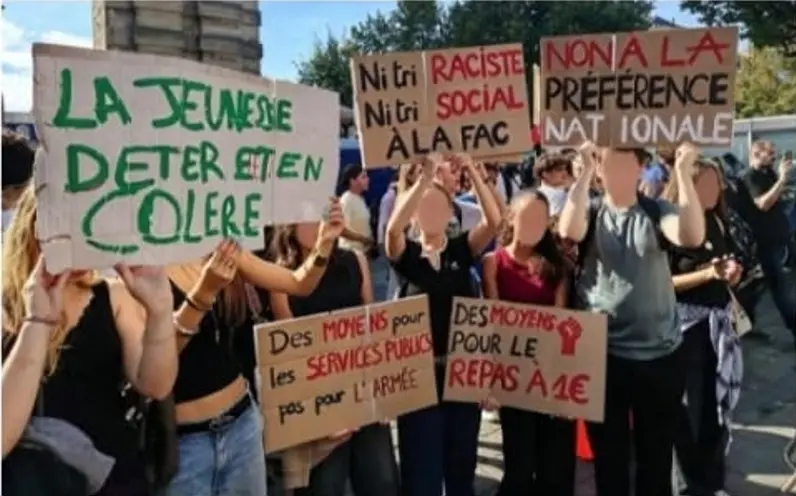
High school and university students marched across France on Thursday, October 8, 2026, for a fourth national day of protests. The New York Times
Le Monde described the day as “Acte IV” and placed journalists in Paris, Lyon and Marseille for live coverage. Hundreds of schools were closed ahead of the October 8 marches. France 24
The day began early in northeastern Paris. Riot police fired tear gas at students at the Helene Boucher high school early on October 8. Students erected a barricade near the Helene-Boucher high school that same morning. France 24
The stated demands focus on more resources and better conditions in schools. They follow weeks of class boycotts and blockades, in which students refuse to attend or block entrances. Thousands of demonstrators marched in cities across France for more education funding. AP
Secondary and university students put forward a common platform of ten emergency measures calling for immediate responses. The link between the two levels is now organizational, with shared planning and not only shared symbols. High school and university students demonstrated together in Lille on October 6.
University blockades continued in several cities on Wednesday, October 7. Le Monde reported that the blockades were being maintained on the eve of a new mobilization day. On the eve of the national demonstration planned for October 6, 18 universities were blocked out of 30 sites in total.
The prefecture, the local arm of the French state, in Gard counted 13,500 demonstrators in Nimes during the early-October mobilization. Unions called for teachers to strike amid the protests in early October. Tuesday protests involved students, teachers and parents outside high schools where police fired tear gas.
Closures have been extensive. An estimated 400 to 500 of France’s 3,700 high schools were set to be shut on Monday ahead of a nationwide student protest day. Reuters
Confrontations began in the first week. Riot police clashed with high school students across France on Friday, October 2. Police fired tear gas at protesters outside French high schools during Tuesday protests. Thousands of arrests and hundreds of injuries were reported.
The prime minister convened a crisis meeting to address the nationwide high school protests. French high school students were expected to continue protests challenging President Emmanuel Macron’s government in October 2026. AP
More than 6,000 people had been arrested since the start of the protests as of October 8 reporting, an update from more than 5,000 as of October 6. As of October 6, 215 students had been wounded, 715 police officers had been wounded, and 85 teaching staff had been wounded. France 24
One injury has drawn particular attention. A teenager’s hand was blown off, reportedly by a dispersal grenade, an explosive device police use to scatter crowds. Reuters
The broader context here is endurance and composition. A movement that began with high school blockades now links high school students, university students, teachers and parents around a shared emergency platform. Like tributaries feeding the same river, each group adds sites for action and bodies for marches. Each also brings its own unions, assemblies and tactics, which complicates control.
In my view, three questions will shape what comes next. The first is turnout on October 8 and whether provincial numbers like Nimes hold or grow. The second is the university front, where continued blockades give leverage beyond secondary schools. The third is policing. Arrest totals above 6,000 and parallel injury counts among students, teachers and police create competing narratives about proportionality and order, while authorities face scrutiny over tactics including tear gas and dispersal grenades.