Anne Carson Wins the 2026 Nobel Prize in Literature
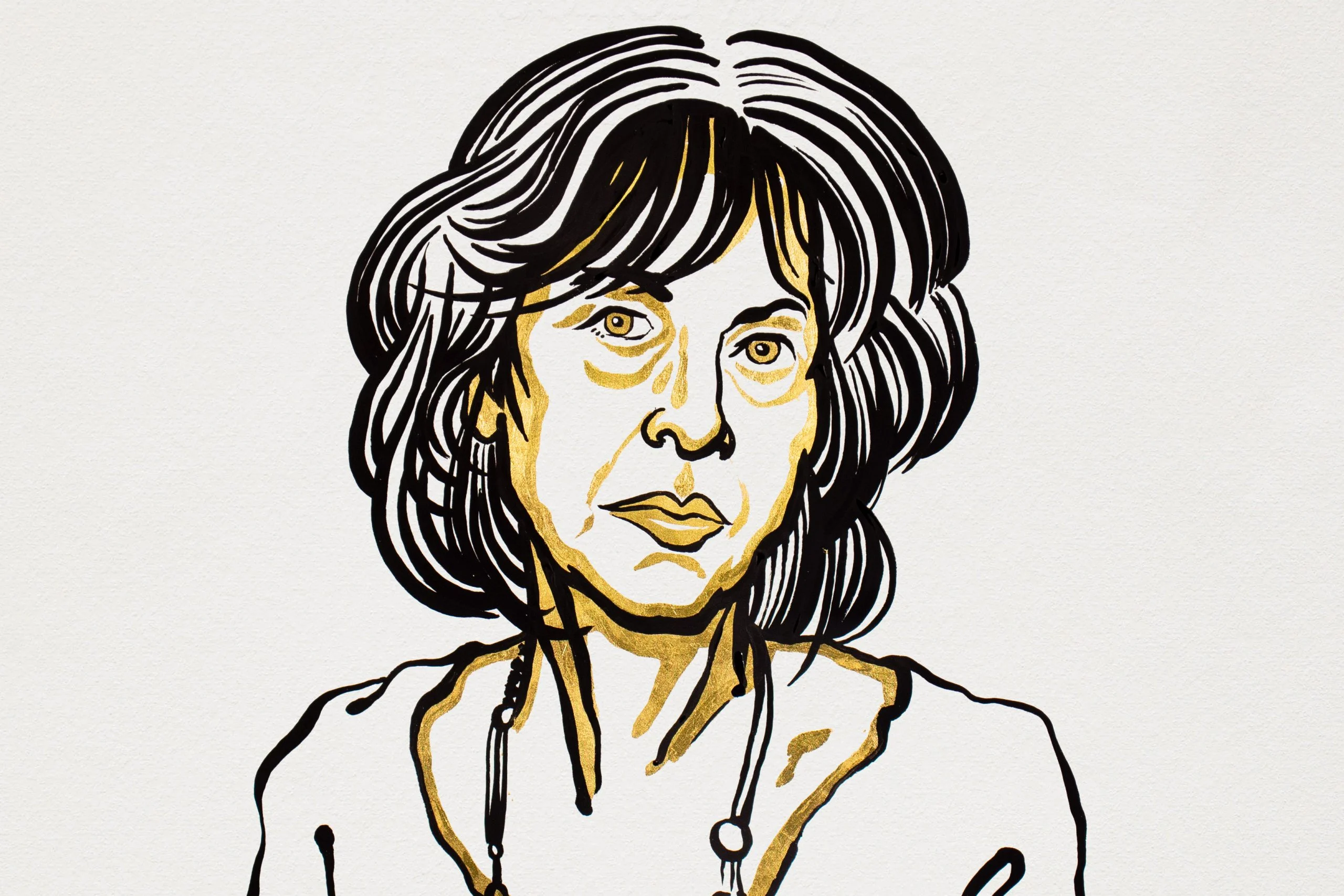
Canadian poet and essayist Anne Carson has won the 2026 Nobel Prize in Literature.
The Swedish Academy announced the award in Stockholm on 8 October 2026. It cited Carson for a bold and inventive oeuvre, her full body of work, that, in playful dialogue with the classical tradition, has created new forms for contemporary literature, according to The Guardian. The choice follows the prize's remit to honour sustained bodies of work rather than a single title.
Carson was born in 1950 in Toronto. She is 76. She will formally receive the Nobel medal and diploma at a ceremony in Stockholm in December.
Her first book, Eros the Bittersweet, was published in 1986. It established the pattern that would define her career, moving between scholarship, poetry and essay. Autobiography of Red, published in 1998, is a novel in verse, a story told in poems rather than prose, inspired by fragments of ancient Greek poet Stesichorus. The book brought her to a wider literary readership and remains among her most widely taught works.
In 2001, Carson became the first woman to win the T.S. Eliot Prize for The Beauty of the Husband. That same year, Men in the Off Hours won the inaugural Griffin poetry prize. She has also been awarded Guggenheim and MacArthur fellowships. Her practice combined poetry writing with translation work and teaching, as noted in her official biobibliography.
Nox, published in 2010, took the form of an accordion-fold box containing a reproduction of a notebook made after the death of her brother. The object was part elegy, a work of mourning, and part archive. It folded drawing, pasted fragments, handwritten notes and translations into a single continuous surface. Readers unfold it rather than turn pages, much like opening a folded map.
The 2026 award was the 119th conferral in the sequence. The Nobel Prize in Literature had been awarded on 118 previous occasions since 1901. The laureate in the year before Carson was Hungarian author Laszlo Krasznahorkai.
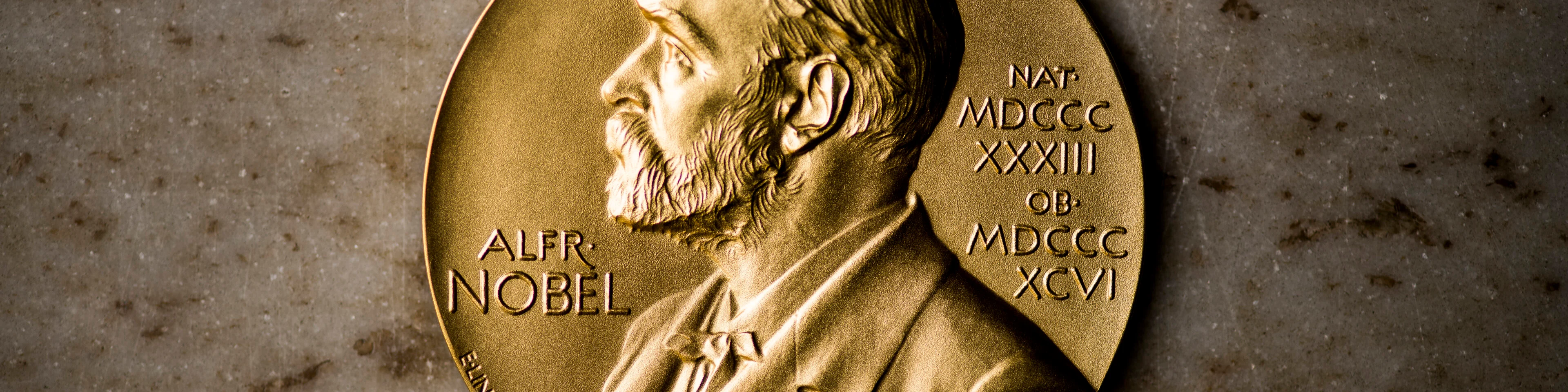
The prize is awarded by the Swedish Academy in Stockholm, Sweden, according to NobelPrize.org. Literature was the fourth prize area Alfred Nobel mentioned in his will. The will directs that one part of the interest go to the person who has produced in the field of literature "the most outstanding work in an ideal direction." NobelPrize.org hosts a Biobibliography page for the 2026 prize. The 2026 award is worth 12 million Swedish crowns, according to U.S. News.
The broader context here is what the Academy chose to reward. Carson writes across verse, prose, criticism, translation and visual composition. Few of her books sit comfortably inside one category. For specialists who track the Academy's deliberations, the citation language matters. Playful dialogue with the classical tradition points to method, not subject matter alone. It places translation and classical reception at the centre of contemporary invention. In my view, that framing will shape how publishers, translators and curricula treat hybrid work in the next cycle. A Nobel often resets permissions for what counts as major literature, and this one extends that permission to the fragment, the lecture, the notebook and the verse novel.