Two Arrests Inside RAF Molesworth: Trespass, Security Law and an Intelligence Base

Two Latvian nationals, aged 32 and 36 and both resident in the UK, were arrested inside the perimeter of RAF Molesworth at 2am on Thursday. They were picked up inside the base by military police and remain in custody. The Guardian
About four hours before the arrests, military police discovered an abandoned vehicle outside the base and a small hole in the perimeter fence. The timeline establishes a vehicle abandonment followed by entry, with the arrests occurring well inside the protected boundary.
The men were initially arrested on suspicion of trespass on a prohibited site, meaning entry to a restricted military area without permission, and on suspicion of causing criminal damage. They were then further arrested on suspicion of an offence under Section 4 of the National Security Act 2023. That provision covers entering a prohibited place for a purpose prejudicial to the UK, or harmful to British interests. Counter-terrorism police are leading the investigation.
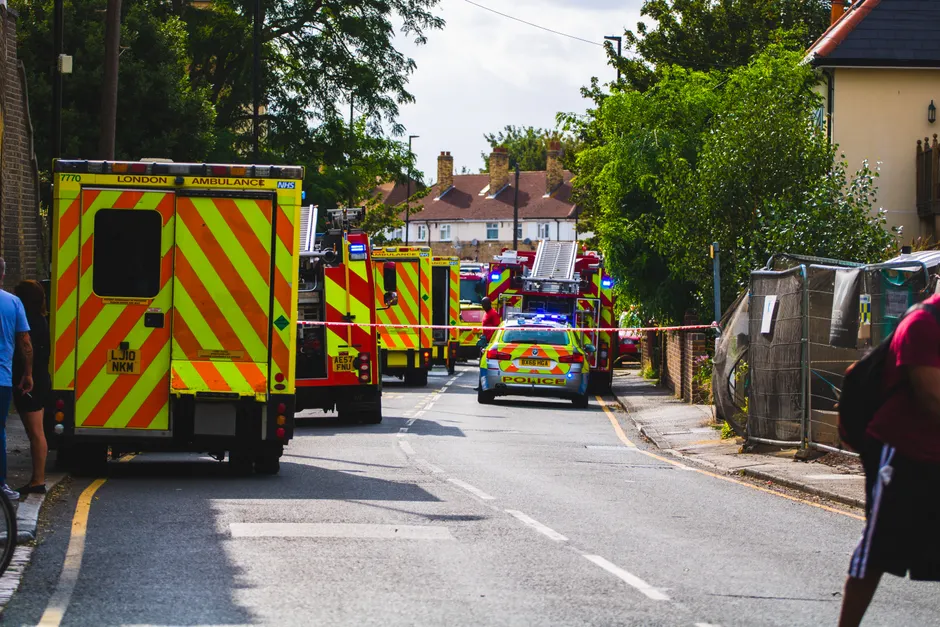
The abandoned vehicle was removed to a nearby police location and examined by explosives specialists. Nothing of concern was found. Police briefly imposed a cordon on part of the A1 south of Peterborough and around the village of Glatton while initial checks were carried out. Officers were also searching two addresses in the Peterborough area. Both men remained in police custody on Thursday.
RAF Molesworth in Cambridgeshire is a base used by the US military and NATO for intelligence operations. It houses NATO's Intelligence Fusion Centre and the US Joint Intelligence Operations Center, Europe. It functions as a joint intelligence node rather than a flying station, which places it under prohibited-place protections in UK law.
Commander Helen Flanagan said there was "nothing to suggest a connection to last month's incident near RAF Fairford at this stage."
The broader context here is the legal threshold. Trespass and criminal damage allow immediate detention and preservation of a scene. A further arrest under Section 4 does not establish intent. It signals that investigators consider the prohibited-place element needs formal examination, which authorises a counter-terrorism-led inquiry with wider search, seizure and detention powers.
Looking at what this means for base security, the details released so far focus on physical breach mechanics. A vehicle left outside, a small hole in fencing and movement inside before interception describe a low-sophistication method, like slipping through a back fence, against a high-sensitivity site. For intelligence facilities, the concern is less about damage to the fence than about access, observation and collection inside the boundary. The Peterborough address searches and the explosives check indicate an investigation working outward to establish preparation, association and purpose.