Italian Migration Detention in Albania: Why Parliament's Blocked Inspection Matters
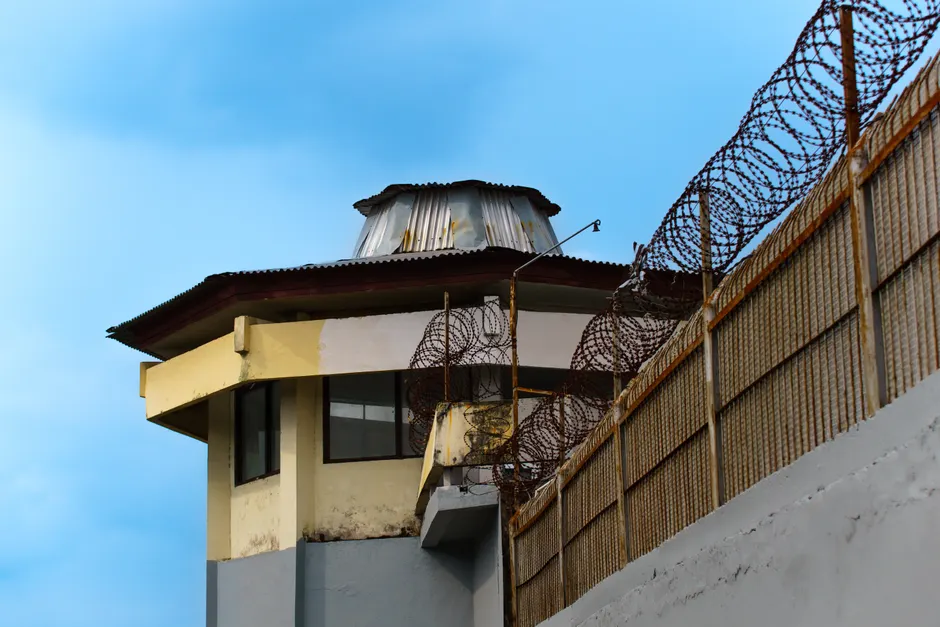
Italian Migration Detention in Albania: Why Parliament's Blocked Inspection Matters
Members of the European Parliament from the Greens/EFA Group were barred from properly inspecting the Gjadër migration detention facility in Albania on 29 June 2026. Facility staff refused to let the delegation enter the detention cells and would not provide basic information — how many people it can hold, how many it currently holds, what conditions are like — that any parliamentary oversight visit should routinely obtain.
The Setup: Why This Facility Exists
The Gjadër centre is one of two detention facilities built under an agreement between Italy and Albania. Italy created these facilities to process migrants intercepted at sea before they arrive on Italian soil. The legal approach is unusual: migrants are held in facilities on Albanian territory, but Italy maintains legal authority over them. This setup allows Italy to handle asylum claims outside the standard EU system while technically keeping Italian control.
Amnesty International described the arrangement in July 2024 as "a stain on the Italian government."
The Legal Conflict
The model has faced steady legal challenges since it began. Italian courts initially halted transfers to the Albanian facilities, ruling that Italy's list of "safe countries" (places where migrants can supposedly be returned safely) did not meet the legal standards required under EU asylum law. Italy's government responded by passing new legislation that reasserted its power to designate safe countries, bypassing the court rulings. This clash between the executive branch and the courts escalated to the Court of Justice of the EU — the EU's highest court. That legal tension forms the backdrop for the MEPs' visit.
Why the Blocked Inspection Matters
Parliamentary inspection rights exist for a reason. Under EU law and the mandate of the European Parliament's Committee on Civil Liberties, Justice and Home Affairs (LIBE), members of parliament have recognized authority to monitor detention facilities linked to EU member states, even those located outside EU borders. Blocking access to cells and refusing to share operational data is not a minor inconvenience — it prevents independent observers from gathering the facts needed to assess whether conditions are humane and lawful.
The Broader Problem
The blocked inspection reflects a deeper tension in EU policy. The European Commission is drafting rules that would allow member states to set up "return hubs" — processing centres outside EU borders. Gjadër is a preview of this model. Critics, including legal advisers to the EU Parliament and human rights organizations, worry that such schemes create an accountability gap: they sit between jurisdictions, making them too external for standard EU monitoring yet too connected to member states to escape EU fundamental rights obligations.
What happened at Gjadër — refused access, withheld data — exposes this gap in practice. Whether Albanian staff, Italian authorities, or both imposed the blockade remains unclear from available information.
Why This Matters Going Forward
The real consequence of this incident lies not in what inspectors found, but in what they could not find. Parliamentary oversight requires access to information and facilities. Without that access, the main argument for offshore detention — that conditions can be kept humane and monitored — cannot be verified. For any government hoping to expand this model across EU partners, that is a serious problem.