The Egg Cartel Case: How the DOJ Cracked Down on Price Manipulation Through an Industry Benchmark
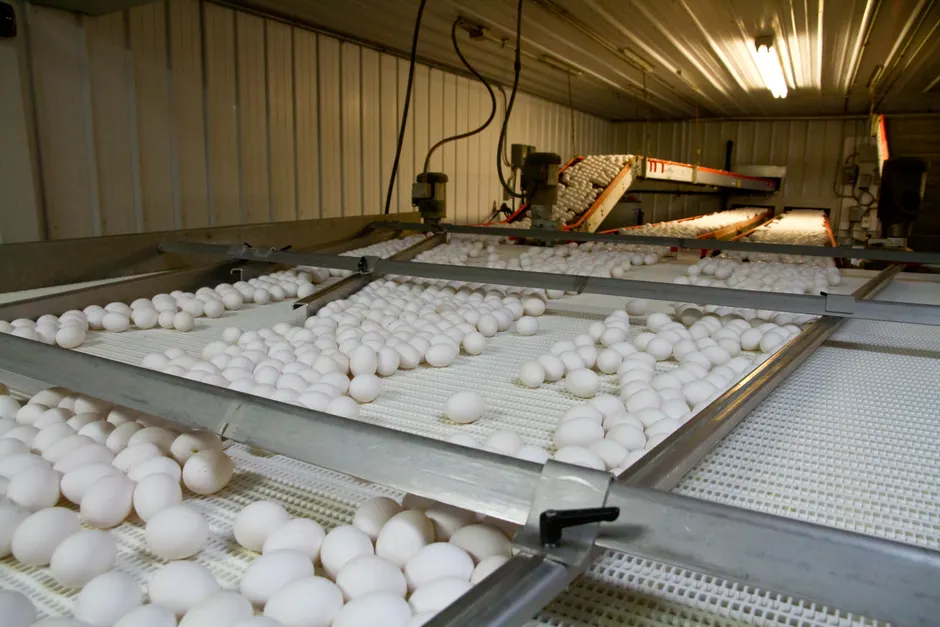
The Justice Department and 17 state attorneys general have reached a settlement with three major egg producers — Cal-Maine Foods Inc., Hickman's Egg Ranch Inc., and Centrum Valley — over allegations that they coordinated through a shared price-reporting mechanism to artificially inflate egg prices nationwide, according to the DOJ.
The three companies must donate more than 50 million eggs and pay $3.3 million in combined relief, per Maryland Attorney General Brown's office. They are also barred from the benchmarking conduct under investigation.
The key allegation involves manipulation of an industry benchmark — a price-reporting service that wholesale buyers and institutional purchasers use as a reference when negotiating contracts. The DOJ's theory, reported by Reuters, is that the producers used this service not merely to discover prices but to coordinate their actions. By feeding inputs or responding to signals in coordinated ways, they moved the reported benchmark higher than genuine market competition would have produced. Once a benchmark is inflated, every contract tied to it becomes inflated automatically — the distortion ripples through the entire supply chain.
Cal-Maine Foods is the largest shell-egg producer in the United States, giving this settlement real market weight. As a publicly traded company, the resolution affects shareholders and broader institutional investors with exposure to egg supply chains. Hickman's and Centrum Valley are substantial regional players. The involvement of three separate companies in alleged coordination around a single benchmark points to a shift in how antitrust enforcers approach pricing cases. Rather than proving explicit price-fixing agreements (the old standard), they increasingly focus on whether firms used shared information channels — benchmarks, industry surveys, data platforms — to achieve parallel pricing without direct collusion.
The $3.3 million cash settlement is modest relative to total U.S. egg market revenues, particularly given the price volatility driven by avian influenza from 2022 to 2025. The egg donation carries greater weight as a practical remedy. Fifty million eggs routed through food banks and state programs reach households that experienced the price impact most directly. Whether this restitution matches the actual harm inflicted will likely emerge in civil litigation, which this consent decree does not prevent.
The multistate coalition deserves attention. Seventeen state attorneys general working alongside federal agencies reflects the enforcement model that has become standard in consumer-harm antitrust cases since the mid-2010s. States contribute investigative capacity, local market data, and political accountability to prosecutions that federal agencies might otherwise table. Maryland's attorney general office appears to have led the coordination effort.
By settling without admitting liability, the producers avoided a discovery process that would have exposed internal communications and pricing documents. For Cal-Maine — a publicly traded company under shareholder scrutiny — this path carried obvious strategic value, despite the financial and operational costs.
Benchmark manipulation as an antitrust theory has precedent in financial and commodity markets. The LIBOR and foreign exchange rate-rigging cases of the 2010s established the legal framework. Applying this theory to agricultural commodity benchmarks in a domestic consumer context is less common. The DOJ's pursuit of this case alongside a broad state coalition signals where enforcement focus is shifting regarding commodity pricing infrastructure.


