Trump's Russian and European Diesel Plan: What the Numbers Mean
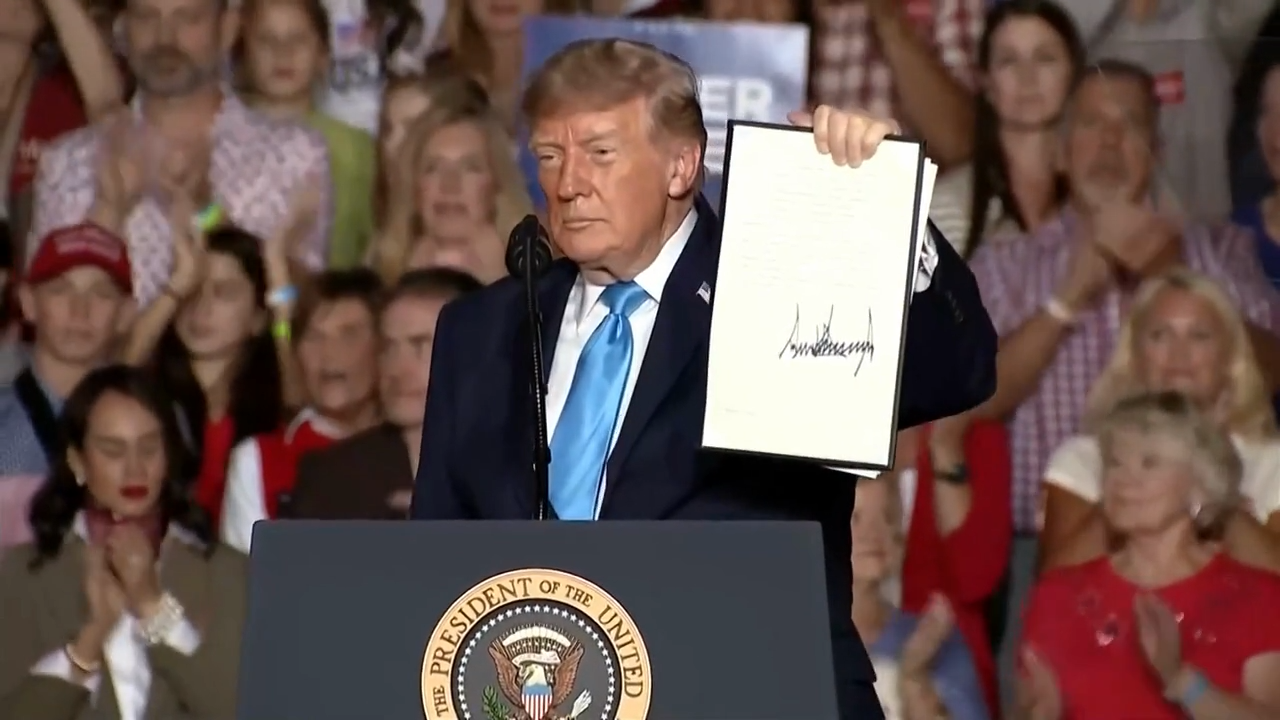
President Donald Trump said on Oct. 9 that Russian President Vladimir Putin agreed to release diesel into the global market, announcing an immediate release of 2.25 million barrels in October to U.S. and global markets. Bloomberg
The administration enlisted Russia to help boost U.S. and global diesel supplies in an effort to lower prices. Morningstar Physical barrels are the stated mechanism. Price is the stated objective.
The tonnage tranches were described in two ways. Trump announced that Russia will immediately supply more than 300,000 tons of diesel, with an additional 500,000 tons to follow the initial shipment. KCRA
In a separate tonnage schedule, Trump said Russia would supply 500,000 tons of diesel in November 2026, with an additional 1,000,000 tons immediately after the November shipment. The announcement was made ahead of the Nov. 3 midterm elections. Reuters
The Oct. 9 announcements follow White House actions dated Oct. 5. In October 2026, President Donald J. Trump negotiated with Europe to release 100 million barrels of refined diesel. White House
President Donald J. Trump also signed an Executive Order to immediately cut diesel costs for American truckers and farmers. White House
The broader context here is aggregation risk. The disclosed volumes use different units and different delivery windows. Barrels in October cannot simply be added to tons in November and tons after November without assumptions about grade, timing and delivery point. For a distillate book, a trader's record of diesel buys and sells, that matters. Fuel for now and fuel for later price differently.
Looking at what this means for price formation, announcements travel faster than vessels. Futures, time spreads and basis — contracts for later delivery, gaps between near and later prices, and local price differences — can reprice on headline volume while physical relief depends on loading, transit, customs clearance and inland distribution. An October barrel and a November ton do not cover the same prompt exposure. End users short physical distillate, who still must buy fuel, remain exposed to that lag.
In my view, the structure to watch is optionality versus obligation, a stated plan versus a firm delivery commitment. What has been disclosed so far is a set of announced intentions and schedules, not confirmed loadings. Traders will parse whether the Russian and European volumes are incremental to existing export programs, how they clear into U.S. and global reception infrastructure, and whether they coincide with refinery maintenance or seasonal demand. The election calendar compresses the window in which any retail pass-through would need to occur to be visible by Nov. 3, while physical supply chains rarely move on that timetable.
For risk managers, the prudent treatment is to keep the tranches separate. Track the 2.25-million-barrel October release as prompt supply. Track the November tonnage and post-November tonnage as deferred supply. Track the European barrels as a parallel source. Netting them into a single headline number would obscure the term structure, prices by delivery date, that determines who actually benefits, and when.


