Sudan Drone Strike Kills 41 in Camp: Why Blue Nile Was Hit

Sudan's Rapid Support Forces killed 41 people, including eight children, in a drone strike on a camp for displaced people in Blue Nile state on Friday, according to Sudanese rights group Emergency Lawyers. BBC Many women were also among the dead. ABC News
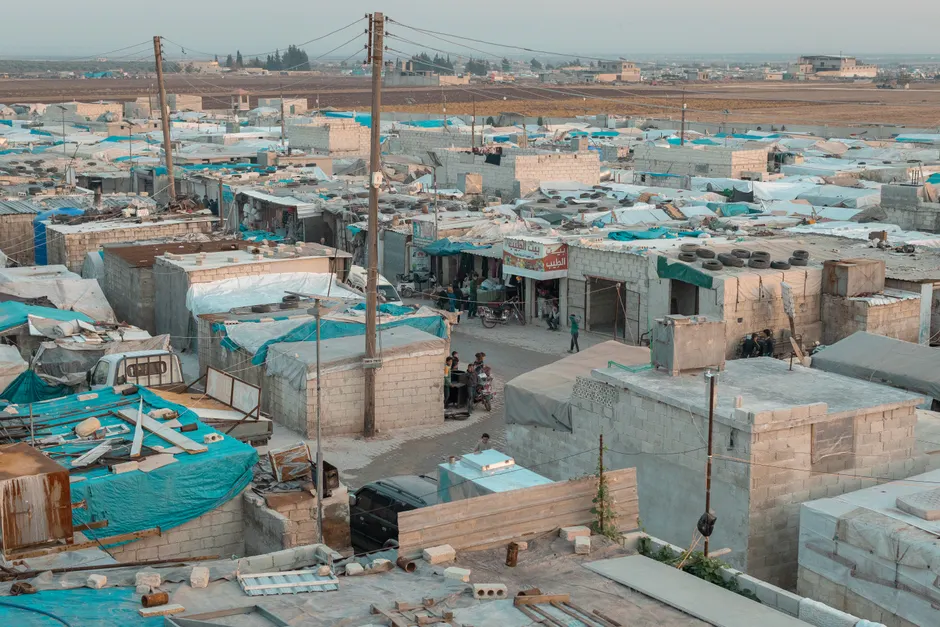
The strike hit the Abu Shandi area of Blue Nile, a southeastern region bordering Ethiopia. Emergency Lawyers said the target was a displacement site. A displacement site, also called an IDP camp, is a temporary settlement for people forced from their homes who have not crossed a border. The UN Office for the Coordination of Humanitarian Affairs said initial reports suggested most of the casualties were women and children. BBC
OCHA said Abu Shandi and surrounding areas had been under sustained attack in recent weeks. Thousands of civilians have been displaced by that fighting. The latest strike therefore hit a population that had already moved once to seek shelter.
Sudan's army and the RSF have been locked in a power struggle since 2023. The war has killed hundreds of thousands of people and displaced more than 14 million from their homes. Those figures place Sudan among the largest displacement crises in the world.
To understand why Blue Nile was hit, it helps to look at who holds what ground. The army controls much of the country's central and eastern regions. The RSF is headquartered in Darfur and also controls areas in the south. Blue Nile sits at the edge of these zones of control, with mixed military presence, limited humanitarian access, and routes toward the Ethiopian border.
UN Human Rights reported more than 500 civilians killed by drone strikes in Sudan from 1 January to 15 March. UN Human Rights A UN official described the increasing use of drone strikes and their devastating impacts on civilians as appalling.
The broader context here is a shift toward long-distance attacks on soft targets. IDP camps are fixed, crowded, and poorly protected. Armed drones, pilotless aircraft guided from afar, let armed groups strike without holding ground nearby. For commanders, that lowers operational risk. For civilians, it removes warning and reduces the chance of escape.
Seen in that light, Blue Nile follows a difficult logic. It is peripheral to the main urban battles but strategically relevant for supply, recruitment, and cross-border movement. Repeated strikes on the same locality, followed by displacement, followed by a strike on a displacement site, point to a pattern of area denial, meaning pressure that makes an area too dangerous for civilians to stay in. Civilians move. Vulnerability moves with them.
Looking at what this means for protection and diplomacy, the constraints are severe. Verification is difficult. Access is limited. Attribution rests largely with local monitors such as Emergency Lawyers and with UN humanitarian reporting. International humanitarian law, the rules of war, prohibits directing attacks against civilians and requires distinction and proportionality in all operations, meaning forces must separate civilians from fighters and avoid excessive civilian harm. Enforcement, in Sudan's case, remains distant from the battlefield.
In my view, the policy questions now turn on drones as much as on ground offensives. Air defense, supply chains for unmanned systems, external support networks, and documentation of strike patterns will shape any future accountability effort. Humanitarian planners face a narrower operational question. How to shelter displaced populations when camps themselves are struck from the air. Until that is answered, each new displacement risks recreating the conditions for the next casualty list.