Berlin's Nazi Bunker Dispute: Should Germany Preserve or Demolish?
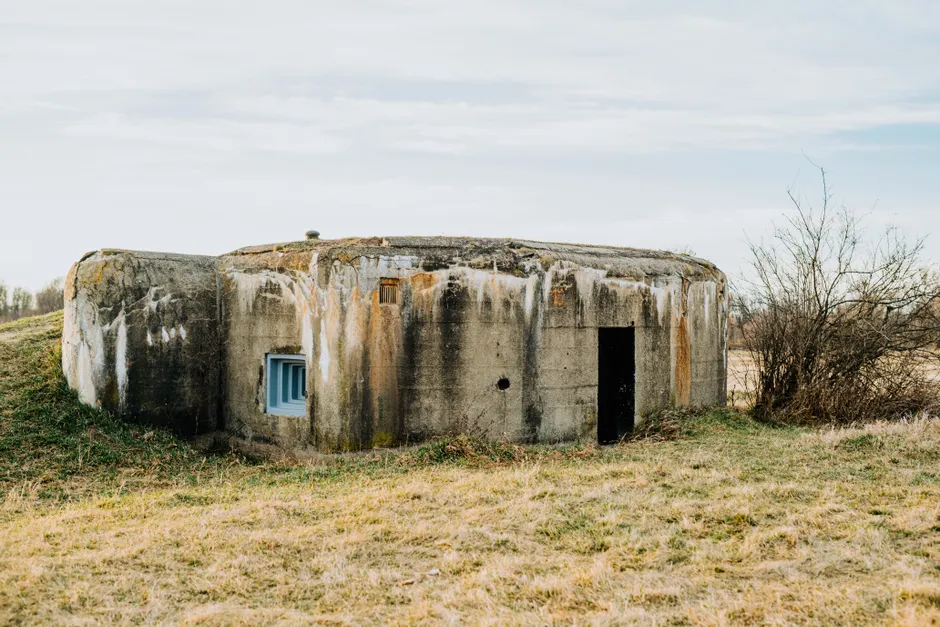
Berlin's Nazi Bunker Dispute: Should Germany Preserve or Demolish?
Berlin faces a difficult choice: tear down a Nazi-era bunker to build apartments, or keep it standing as a historical record. The decision has opened a wider debate about how Germany should handle the physical remnants of the Third Reich.
The bunker in question sits near the site of the Führerbunker—the underground headquarters where Adolf Hitler died in April 1945. Today, that ground is a car park with a small informational plaque explaining the bunker's layout. This low-key approach has been deliberate. For decades, German officials chose not to draw attention to sites associated with Nazi leadership, worried that prominent memorials might turn them into shrines. The bunker targeted for demolition is a related structure, and according to the BBC, plans to replace it with residential apartments have suddenly made this tension between forgetting and remembering impossible to ignore.
Opponents of demolition argue from the archive. They say physical structures carry a weight that plaques or written histories cannot match. Writing in The Spectator Australia on 2 July 2026, commentators contend that Berlin should preserve these bunkers—that visitors can see concrete evidence of the past in person rather than read about it secondhand. As survivors of the Nazi era pass away, they argue, the bunker becomes more valuable as a teaching tool, not less.
The case for demolition rests on a different principle: that Nazi sites should not become monuments to Hitler's regime, and that using the land for housing serves a practical good. Berlin has followed this logic for decades. The Führerbunker itself was left unexcavated and unmarked for a long time to prevent it from becoming a destination for pilgrims or admirers.
Yet there is a complication. As NPR reported in September 2025, the car park above the Führerbunker already draws visitors despite its studied plainness. Remove the bunker entirely, and that pull may not disappear—it might actually strengthen. Absence can draw a kind of morbid curiosity that presence does not.
Germany's approach to Nazi-era sites has never followed one rule. The Nuremberg Rally grounds are preserved and openly interpreted to the public. Spandau Prison, where Nazi official Rudolf Hess spent his final decades as the sole inmate, was demolished in 1987 and is now a parking lot for a supermarket. The pattern reflects case-by-case decisions about how to balance historical accountability, public safety, and practical needs like housing development. Berlin, perpetually short of apartments, faces the same pressures as any growing city.
The dispute has drawn international notice. GB News covered the planning row on 1 July 2026, framing it as heritage interests against residential development. The Belarusian outlet Nasha Niva also picked up the story, citing the BBC's original reporting—a reminder that Germany's internal debates about Nazi history continue to resonate across Europe, where twentieth-century trauma was shared.
The legal outcome may well turn on a technicality. Germany's monument protection law (Denkmalschutz) can shield structures deemed historically significant, but its application to sites of perpetrator history—rather than victim memorials—remains contested. If the bunker has no protected status, demolition may proceed without court challenge. If it does, the argument moves from newspaper opinion pages to administrative courts.
Here is what makes this row genuinely difficult to resolve: as living memory of the Nazi period shrinks, physical sites absorb more of the burden of historical understanding. Tearing down the bunker closes off options that future teachers and historians have not yet imagined. Keeping it risks giving perpetrator sites the kind of grave solemnity they arguably should not hold. Neither choice is obviously correct, and that tension is precisely why Berlin's dispute is unlikely to settle soon or cleanly.


