Apple's Reported HomeView Hub: Two Models, New Chips and LG Accessories

Apple will announce a smart home hub called HomeView on Tuesday, TechCrunch reported on Oct. 11, citing Bloomberg's Mark Gurman.
The device is described as powered by Siri, with a display and an A18 chip, the processor that handles computing and AI tasks. Its stated function is control of other smart home devices. The report says Apple is preparing two variants, one designed for countertops and one intended for wall mounting.
The same report says Apple will also unveil updated versions of the Apple TV set-top box and the HomePod mini on Tuesday. The two products will retain their current designs, according to earlier Bloomberg reporting via Reuters. The change is internal. Both will include faster processors to support more powerful AI models for Siri.
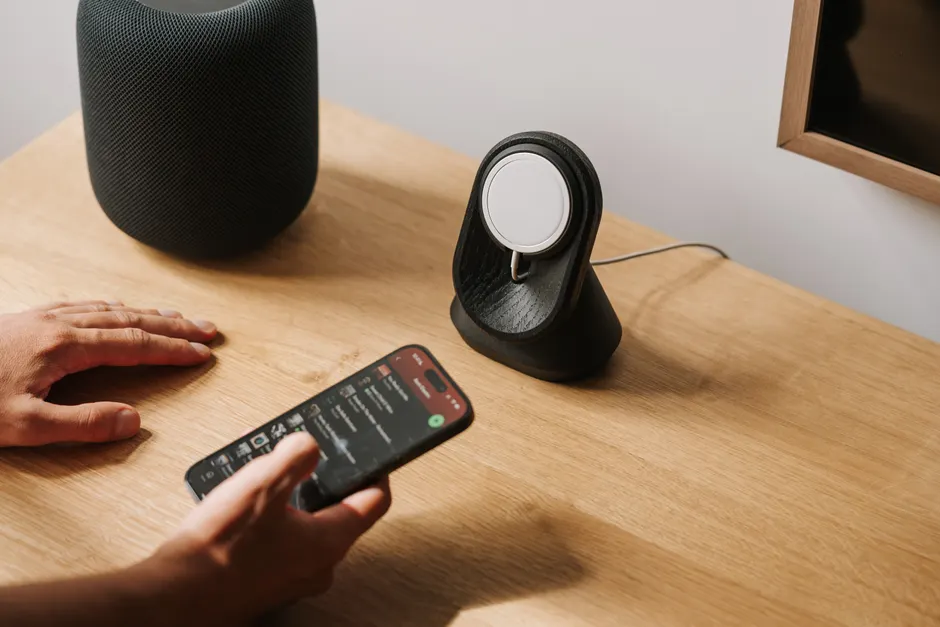
For the HomePod mini, leaked images of the expected second-generation unit show green, pink and lighter blue finishes, according to MacRumors. Apple has not confirmed finishes or specifications. The images circulate ahead of the planned announcement.
Apple also plans to announce a partnership with LG to create a smart lock, a thermostat and a doorbell, Gurman reported earlier in the week as cited by TechCrunch. The report does not detail manufacturing split, branding, distribution or protocol support, the shared standards devices use to connect. It positions the three accessories as first-party-adjacent hardware for the same control environment as HomeView.
The broader context here is architectural rather than cosmetic. A dedicated hub with its own chip, or SoC, and display would stay on to manage the home, instead of depending on a phone or set-top box. Countertop and wall-mount variants suggest different constraints around power, viewing distance and voice pickup, while keeping the software stack common across both.
In my view, the silicon detail matters more than the enclosure detail. Moving HomeView to A18, and pairing refreshed Apple TV and HomePod mini silicon with more capable Siri models, points to heavier on-device inference, meaning more voice and automation work processed locally rather than in the cloud. That can cut latency, or delay, and keep basic control working during an internet outage. For a household with dozens of connected devices, that decides whether voice feels like infrastructure or a demo. Keeping the same designs would be consistent with a refresh focused on compute headroom.
Looking at what this means for developers and accessory makers, a hub plus three LG-built endpoints would give Apple a reference implementation to build around. A lock, thermostat and doorbell cover authentication, climate and entry video, three categories where reliability requirements and permission models are strict. Worth flagging, none of the reporting to date specifies APIs, provisioning flows or backward compatibility for existing accessories. Those details will determine integration cost. If Apple gets pairing, state synchronization and Siri intent handling right, the benefit compounds across every other device in the home.
The optimistic read is straightforward. Homes have accumulated connected devices faster than coherent ways to operate them. A small, always-on display with local compute, backed by refreshed speakers and set-tops and a tight set of launch accessories, could reduce friction without asking users to rebuild their setups. My kids grew up toggling between apps, remotes and voice commands depending on which room they were in. They never cared about platforms. They cared whether the lights responded. That is the bar HomeView will be judged against.