Labour MPs Push Water Companies to Rebuild England's Lost Lidos
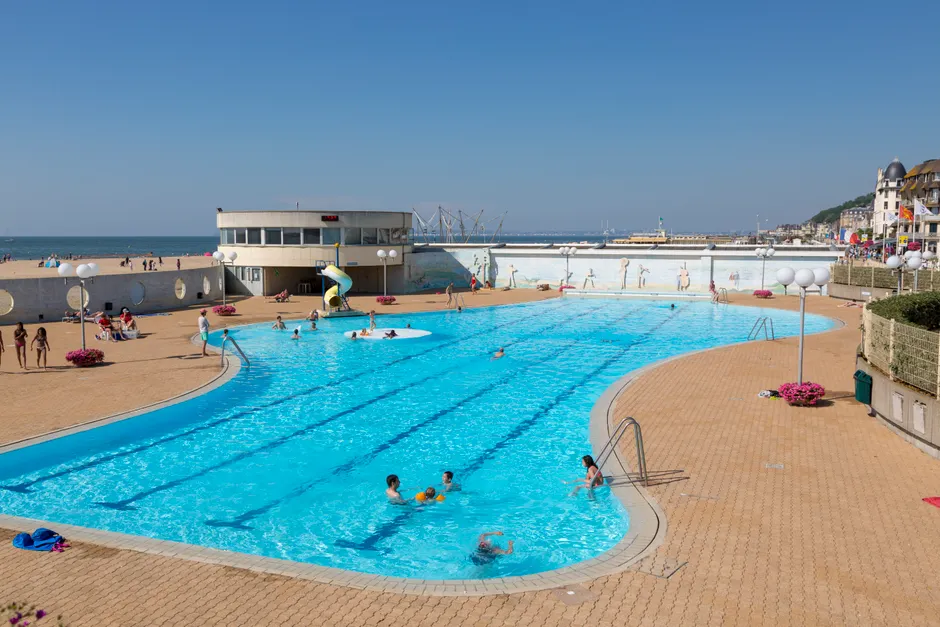
Twenty Labour MPs and the Fabian Society launched a campaign on 4 July 2026 to require water companies to finance, design, and operate new or restored lidos across England. The parliamentary group was organised by Andrew Pakes, MP for Peterborough since 2024, who brought together colleagues representing constituencies with derelict or endangered lidos. The campaign centres on "The People's Pools: A Labour Plan to Build Lidos", a Fabian Society report by Greg Rosen that outlines the legislative framework the MPs want embedded in the forthcoming water bill.
What the Report Proposes
The Rosen report calls on Andy Burnham, the minister overseeing the water sector, to write two obligations into the water bill. First, water companies would have a statutory duty to "promote and facilitate public access to safe outdoor swimming" within their regions. Second, legislation would require water companies to work with local authorities to guarantee a minimum number of lidos per head of population or per geographic area, including new builds, refurbishments, and natural swimming lakes.
The strategy is deliberate. Water companies face intense scrutiny over sewage discharges into rivers and seas. Local environmental and swimming groups have long drawn a connection between those discharges and the loss of safe outdoor swimming. The Fabian proposal reframes corporate accountability: instead of fines alone, companies would have to rebuild the swimming infrastructure pollution has damaged or destroyed. Manchester is already building a new lido, cited in the report as a working example; the city council leader, Bev Craig, has backed the idea.
The Historical Decline
The numbers tell a stark story. Britain had more than 300 lidos in the 1930s. By 1990, fewer than a third remained open; nearly two-thirds were abandoned or knocked down by the end of the 1980s, according to The Guardian. The postwar collapse stemmed from a combination of local government spending cuts, competition from cheap package holidays abroad, and the rise of indoor leisure centres in the 1970s — a shift that erased a piece of public infrastructure with little public discussion.
What survived did so largely through community effort rather than government backing. Tooting Bec lido, the UK's largest freshwater outdoor pool, was saved from closure in the 1990s by volunteers from the South London Swimming Club. Peterborough's lido, turning 90 this year, nearly shut down just two years ago; on a late-May bank holiday Monday, Pakes observed 1,500 swimmers using it in a single day.
The campaign has drawn cross-party interest. Conservative former cabinet minister Penny Mordaunt spent years championing the Hillsea lido in Portsmouth, even appearing in a swimming costume on ITV's Splash to raise funds. Hillsea opened in 2026. That pattern — decades of individual advocacy, a media moment, eventual reopening — is precisely the fragmented approach the Fabian proposal aims to replace with a system-wide requirement.
Where the Water Bill Fits
The water bill arrives as the government prepares wider reforms following years of poor regulation, shareholder payouts, and ageing infrastructure. Adding a lidos duty would be a relatively inexpensive policy move with strong local appeal — the kind of attachment that draws backbench support without heavy upfront spending.
Enforcement poses the harder test. A minimum-provision standard tied to population and geography is simple to write into law but difficult to implement: Which regulator checks compliance? What counts as a qualifying facility? How does this duty sit alongside existing Ofwat price controls on how much water companies can spend on capital projects? The report assumes cooperation between water companies and local authorities, but mandated cooperation without firm penalties often dissolves into advisory processes.
Twenty MPs represent significant parliamentary pressure but not a majority of the Labour Party. The real measure will be whether Burnham writes the proposal directly into the bill's text, or whether it has to come through amendment — a tougher path requiring sustained pressure across the benches. Either way, the Fabian Society has provided the campaign with the policy architecture needed to move from local constituency efforts to the parliamentary agenda.