Waymo Lets Teenagers Ride Alone in Phoenix—But Not in California Yet

Waymo Lets Teenagers Ride Alone in Phoenix—But Not in California Yet
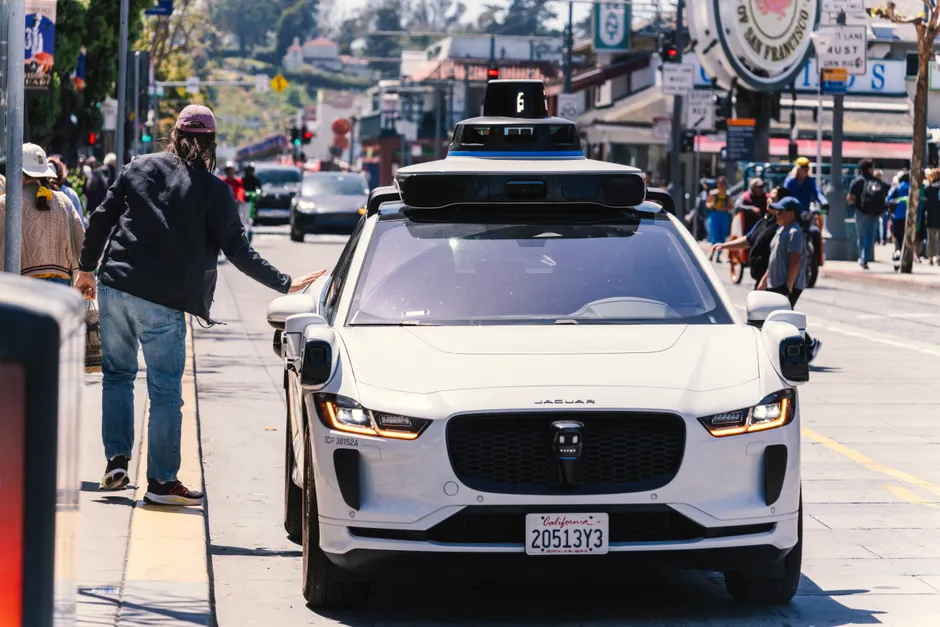
Waymo now allows teenagers aged 14 to 17 to ride alone in its self-driving cars through a special teen account option in the Phoenix area. The service requires parental permission and lets parents see trip details and costs. This marks the first time a major robotaxi company has offered unaccompanied rides to minors in a commercial service.
The move highlights a regional divide in how different states regulate autonomous vehicles. California—where Waymo is based—currently forbids teens from riding alone in self-driving taxis. Only adults 18 and older can use Waymo there. Arizona, by contrast, takes a more relaxed approach, which is why Waymo launched the teen service in Metro Phoenix first. It's a reminder that technology regulation in the U.S. is fragmented, with each state setting its own rules.
How Teen Accounts Work
Teen accounts function as sub-accounts linked to a parent's or guardian's main Waymo account. Parents receive detailed records of every trip their teen takes and how much it costs. If support staff need to discuss a trip, they can set up a three-way call with the parent right from the car, creating a direct line of communication if problems arise.
The service covers Waymo's 315-square-mile service area across Phoenix. Children 13 and younger cannot ride alone under any circumstances—an adult must be with them. Teens aged 14–17 can only take solo rides if their account is properly set up as a teen account. Standard adult accounts for teens don't unlock access to solo rides.
How Waymo Enforces the Rules
Waymo's staff can contact riders during trips to verify their age if needed. If someone tries to break the rules—say, a younger child using a borrowed account—Waymo can suspend or permanently ban that account. These safeguards aim to keep the system honest.
More broadly, the regulatory landscape for self-driving cars is shifting. California officials are now considering new rules that might allow solo teen riders in driverless cars, possibly following a model similar to what ride-sharing apps like Uber and Lyft already do with teen accounts and parental permission. If California changes its stance, the rules could become more uniform across major markets.
A Familiar Pattern
This rollout follows a pattern we've seen before with new transportation technologies. When Uber and Lyft first launched, they restricted service to adults. Over time, as their safety track records became clearer and rules evolved, both companies introduced teen accounts with parental controls. Bike-sharing services went through the same arc—starting adults-only, then adding teen access with guardrails.
Arizona and California regulate autonomous vehicles differently by design. Arizona has positioned itself as a testing ground for self-driving cars and welcomes the industry. California hosts most of the technology development but has chosen stricter oversight, at least for now.
What This Means for Families and Markets
The practical upshot is real: families in Phoenix now have a transportation option for teens who need to get to school, sports, or social events without requiring a parent to drive them. This matters most in suburban areas where public transit is sparse and biking or walking aren't practical.
Worth flagging: Waymo's Phoenix expansion puts it ahead of competitors like Cruise and Aurora in the race to expand self-driving taxi services to new customer groups. Other companies will be watching closely to see whether teen riders actually use the service, whether parents feel comfortable with it, and how regulators respond. That data could reshape competitors' own strategies.
The timing also suggests that technology companies and regulators are learning to work together as autonomous vehicles move from experiments to everyday services. When Waymo gains confidence in its safety systems and Arizona approves a new use case, the two can move in sync. California's ongoing review of teen access suggests that pattern could spread.
Looking ahead, success in Phoenix will likely influence where and how Waymo expands teen service to other markets. And if California adopts similar rules—which seems possible—teen accounts could become standard across robotaxi services rather than a Phoenix-only feature. None of this represents a technological breakthrough, but it does signal growing confidence in how self-driving systems handle edge cases and diverse passengers. As regulatory barriers ease, we may see autonomous vehicles become a genuine transport option for younger riders across the U.S.