The Stargate UK Story: How a Headline Deal Ran Ahead of Its Facts
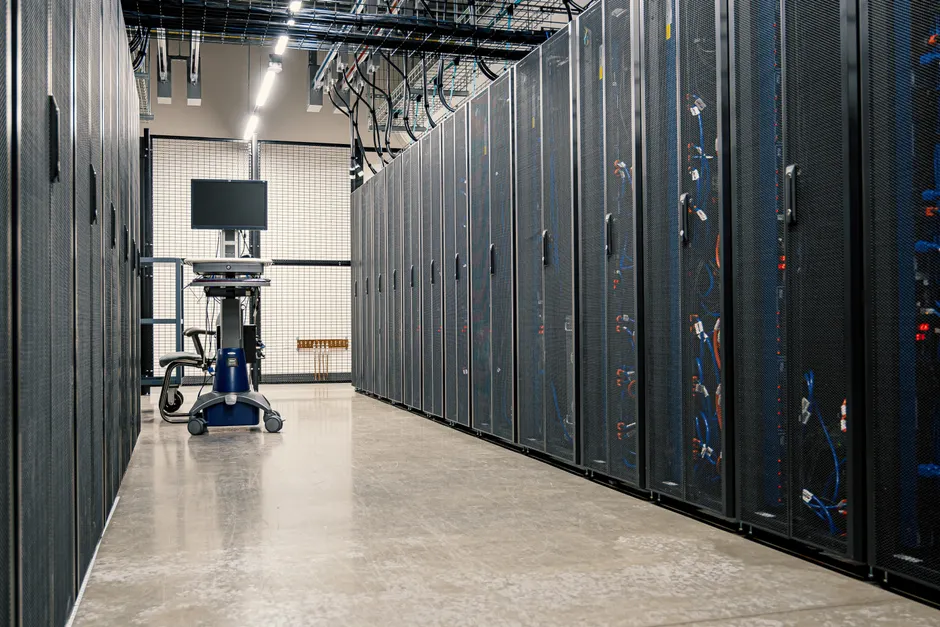
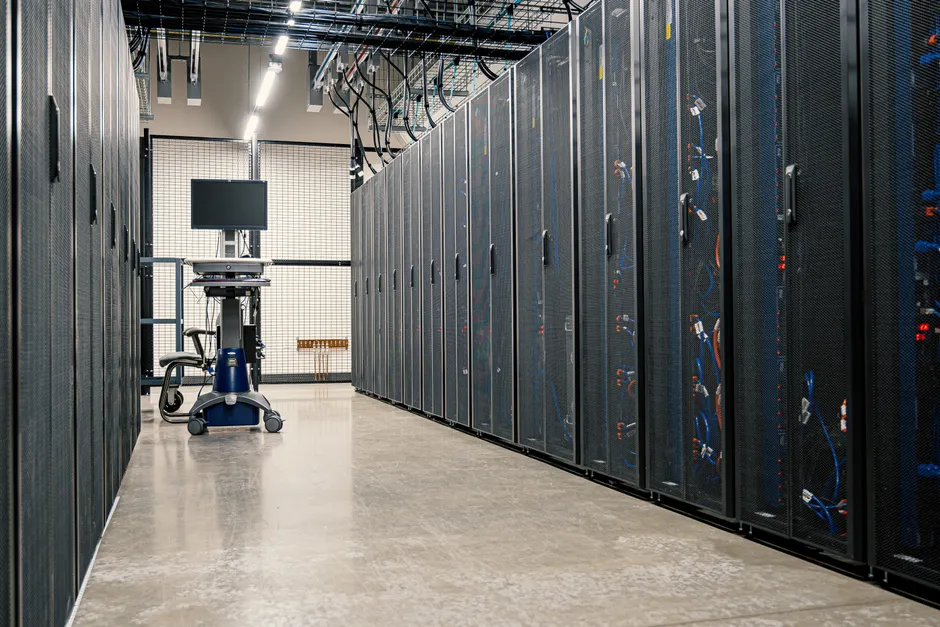
OpenAI never set foot on the site where the UK government said it would build a flagship AI datacentre, a Freedom of Information request has revealed. The disclosure raises serious questions about a project that became the centrepiece of Britain's AI investment pitch during Donald Trump's state visit to London in September 2025.
The Stargate UK project—a multibillion-pound initiative backed by OpenAI, infrastructure company Nscale, and chip maker Nvidia—was announced on 16 September 2025. The government packaged it as part of a record-breaking £150 billion investment the visit had unlocked. Cobalt Park in North Tyneside, in the North East of England, was earmarked as the hub. A dedicated North East AI Growth Zone taskforce was announced days later.
The FoI findings show that neither OpenAI nor Nscale held meetings with local authorities at the North Tyneside site before or immediately after the announcement. Only Nvidia visited the North East combined authority—in February 2026, five months later. Nscale said its chief commercial officer did travel to North Tyneside, but no record of any meeting exists.
A Guardian investigation published in July 2026 found that £20 billion of the £30 billion Stargate UK investment the government promoted "appears to have been totally hypothetical." An insider told the paper that Nscale was effectively told to support the project, and that the whole thing functioned as "a government PR stunt."
The deeper problem here is one of sequence. The government approached Nscale and OpenAI shortly before Trump's visit, asking both to commit to Cobalt Park in time for the announcement. The normal groundwork—site assessments, talks with local authorities, energy deals—was meant to follow. Mostly, it did not. This kind of reversal suggests the announcement was designed first, and the commercial reality second.
The pattern of retreat
The fissures appeared well before July 2026. In March 2026, the Guardian reported that many UK AI deals were "phantom investments"—commitments that existed largely on paper. That same month, reporting indicated OpenAI was backing away from the datacentre expansion part of Stargate UK. By April 2026, Reuters and the BBC reported that OpenAI had formally paused its UK datacentre project, citing unfavourable regulatory conditions and high electricity costs.
Those April reports confirmed what March coverage had signalled: the commercial conditions OpenAI needed were not present. The UK's electricity costs for large-scale computing operations—a known issue for companies building massive AI infrastructure—combined with planning delays and regulatory friction made the economics untenable, at least on OpenAI's timeline.
Nscale showed a similar pattern. The Guardian previously reported that Nscale's supercomputer project in Essex remained "a scaffolding yard"—the frames erected but no structure inside. Read alongside the FoI findings on North Tyneside, this suggests Nscale's infrastructure plans in the UK were far less mature than government statements implied.
A related FoI finding, reported in March 2026, uncovered no evidence that the UK government had tested any OpenAI technology under a partnership signed in July 2025 meant to explore AI applications in justice, defence, and security—despite ministers calling the deal central to public service reform.
The brand and the landscape
OpenAI's Stargate UK announcement framed the project as bolstering the UK's "sovereign compute capabilities"—a phrase borrowed from the US Stargate programme, under which OpenAI committed $500 billion to domestic AI infrastructure. OpenAI has since extended the Stargate brand to the UAE, announcing a 1GW cluster in Abu Dhabi with 200MW expected operational in 2026, and to Norway, targeting 100,000 Nvidia GPUs by the end of 2026.
Those announcements came in May and July 2025—before the UK deal. Both markets offered either cheaper electricity, faster permitting processes, or both. The UK faced structural headwinds: high grid costs, a planning system in the midst of reform, and a regulatory environment OpenAI explicitly cited when it paused the project. These were not new problems in September 2025; they were always likely to constrain the deal.
Governments routinely announce investment figures that blend hard commitments with conditional pledges and letters of intent. The challenge arises when disclosure lags reality. When £20 billion of a £30 billion figure is labelled hypothetical by press investigations, and confirmed FoI evidence shows key partners never visited the site, the gap between the announcement and the substance becomes material. OpenAI, Nscale, and the UK government have not publicly addressed these gaps. Until they do, Stargate UK looks less like a paused project than like an announcement that outran its own foundations.