Trump's Russian Diesel Deal and Pressure on Ukraine, Explained
President Trump is moving to buy Russian diesel while pressing Ukraine to stop attacks on Russian refineries. On Oct. 12, 2026, he declared that Russia and Ukraine had agreed to halt attacks on each other's energy infrastructure. Reuters Congress is uneasy.
The first amount under discussion is 300,000 tons, which Russia could supply if Ukraine halts attacks on Russian refineries. Reuters Trump has said Russia had agreed to ship potentially millions of tons of diesel fuel in the coming months. New York Times He has also said Russia would supply diesel to the United States and to global markets, with more shipments dependent on the condition of Russian refineries damaged by Ukrainian attacks. Reuters
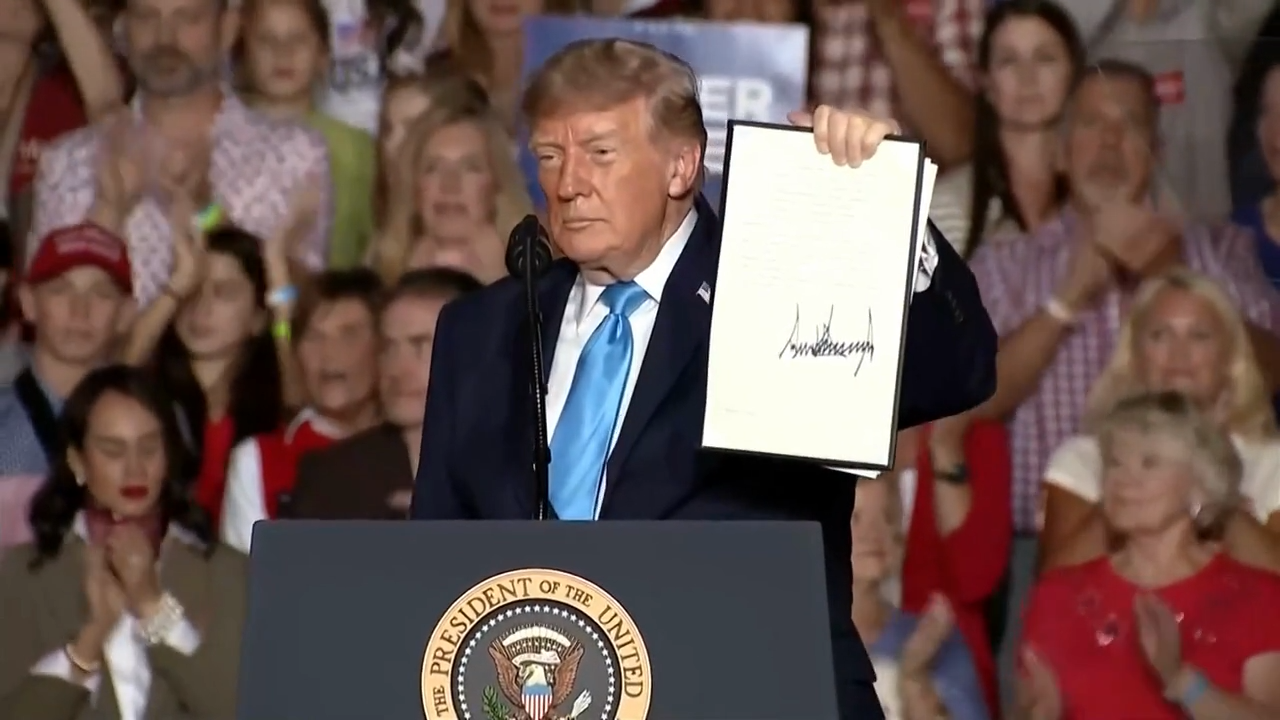
The supply plan is paired with action at home. The administration lifted sanctions — government limits on trade — on Russian diesel sales, saying the move would lower prices. New York Times Trump signed an Executive Order to immediately cut diesel costs for American truckers and farmers. White House In October 2026, he negotiated with Europe to release 100 million barrels of refined diesel. White House Refineries work like factories that turn crude oil into usable fuel, so damage there means less fuel to sell.
Pressure on Kyiv is part of the arrangement. Trump blamed Ukrainian strikes on Russian refineries for raising U.S. diesel prices. Reuters He said the United States would buy Russian diesel while rebuking Ukraine over oil strikes. New York Times The United States threatened to cut off intelligence and arms supplies to Ukraine over the refinery attacks. Reuters The threat is direct. The linkage is explicit.
Lawmakers from both parties complained about the diesel deal. Their criticism has focused on the optics and risks of resuming energy purchases from Moscow while the war continues. Separately, Vladimir Putin raised a sale of Russian energy assets including oil fields, refineries and gas stations with Trump's envoys. New York Times The administration has also described a U.S.-backed framework to end the Ukraine-Russia war with enforceable ceasefire benchmarks — clear steps to check whether fighting has stopped — and reconstruction incentives.
The broader context here is the use of fuel trade as leverage for restraint. Washington is treating diesel availability, refinery operations and reciprocal limits on strikes against energy infrastructure as connected. Sanctions relief is presented as a price instrument. The threatened pause in intelligence and arms transfers is presented as an enforcement instrument. The claimed halt to mutual energy attacks is presented as the near-term result.
Looking at what this means for diplomacy, several tests will shape whether the arrangement holds. The first is verification. An agreement to halt attacks needs a shared definition of covered targets, a timeline, and a way to decide who broke the rules. The second is conditionality. If future diesel volumes turn on the physical state of refineries, each new strike or claim of damage gains commercial weight. The third is coalition management. European cooperation on fuel stocks, congressional opposition at home, and Ukrainian decisions about long-range strikes all pull in different directions. None of those tensions is resolved by an announcement.
In my view, the asset discussion deserves close attention alongside the fuel volumes. A one-time diesel purchase and a transfer of oil fields, refineries and gas stations involve different legal structures, different sanctions questions and different time horizons. Observers will want to track whether they advance on parallel tracks or whether one is used to secure the other. The administration's language about benchmarks and reconstruction incentives points toward a larger negotiation, but the diesel dispute is testing compliance in a narrow sector first. Energy infrastructure, in that sense, has become both the subject of bargaining and the measure of good faith.


