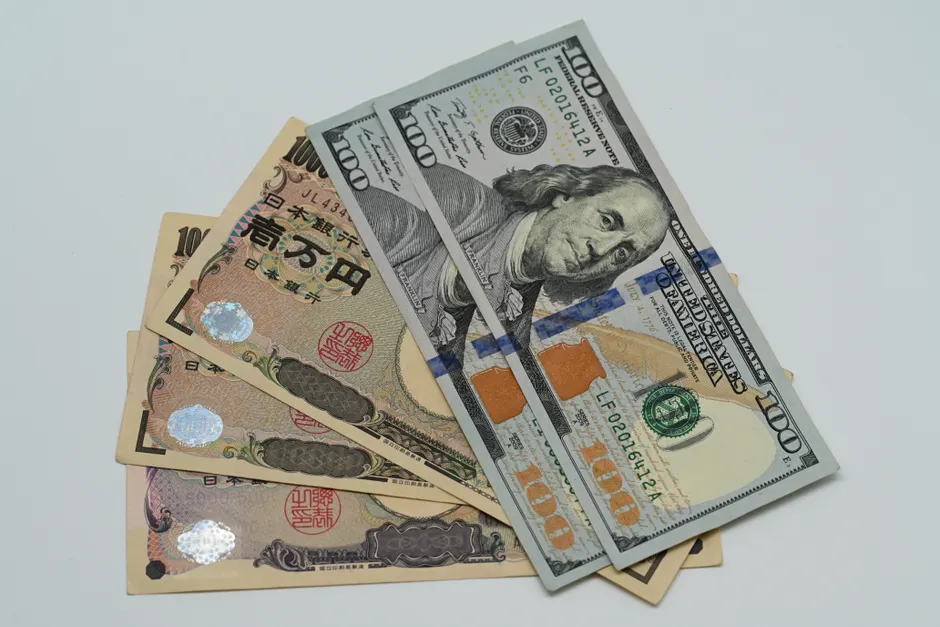
Asian Currencies Stall as Safe-Haven Dollar Demand Holds

The WSJ Dollar Index rose 0.21% to 97.58 in early October, leaving Asian currencies stuck in a narrow range. Safe-haven demand, when investors buy dollars for safety as risks rise, limited further gains. That reading, published Oct. 12, is the latest reference point. Wall Street Journal
The setup was laid out in The Wall Street Journal's Oct. 8 article, 'Asian Currencies Consolidate But May Be Weighed by Safe Haven Demand for Greenback'. Wall Street Journal Range-bound means Asian currencies traded sideways in a tight band. The risk noted was renewed dollar strength if haven buying returned. That sideways trade held, for now.
Among major pairs, Reuters listed the U.S. dollar/euro cross at 0.8924 as of Oct. 11, 2026, up 0.02% on the session. Reuters A cross is simply one currency priced in another. The daily change was marginal.
Earlier haven episodes give context, not a direct comparison. In March, Reuters reported the dollar index up 0.3% to 100.17 on safe-haven demand. Reuters The same report put the index up 2.57% so far in March, on course for its best month since July 2025, when it rose 3.4%.
May showed where stress had appeared before. Reuters reported the Indonesian rupiah at 17,700 per U.S. dollar, the Indian rupee near 97 per U.S. dollar, and the Philippine peso at nearly 62 per U.S. dollar. Reuters Those levels sit well outside October's calm range. They serve as reference points for past declines, volatility planning and hedge math.
The broader context here is familiar to currency markets. After a haven bid, actual daily moves often shrink while options markets still charge more for protection. Spot ranges hold. The adjustment shows up in forward pricing. For savers and borrowers with dollar debts or Asian-currency holdings, the screen can look steady while insurance costs stay high.
Looking at what this means for positioning, the split is between level and speed. The October WSJ print at 97.58 is well below March's 100.17 print, but the two gauges are not directly comparable and cover different periods. What carries over is the driver. Haven buying tightens conditions through a strong dollar, splits Asia between surplus and deficit countries, and makes it harder to bet against the dollar near resistance. Until flows shift, regional rallies tend to fade when the dollar ticks up.