FIFA's $4 Million Trump Tower Lease Faces Scrutiny Over Empty Office
FIFA has signed a lease of more than seven years worth about $4 million for office space in Trump Tower in Manhattan that is mostly unused and that it has no plans to fully staff, according to The New York Times. The space sits empty. The terms lock in a long commitment for a limited day-to-day use.
The office is on the 17th floor of Trump Tower in New York City, according to Yahoo Sports. FIFA President Gianni Infantino announced the opening of a representative office at Trump Tower, a small official base for staff and meetings. Reuters reported in July 2026 that FIFA had opened the office in the prior year.
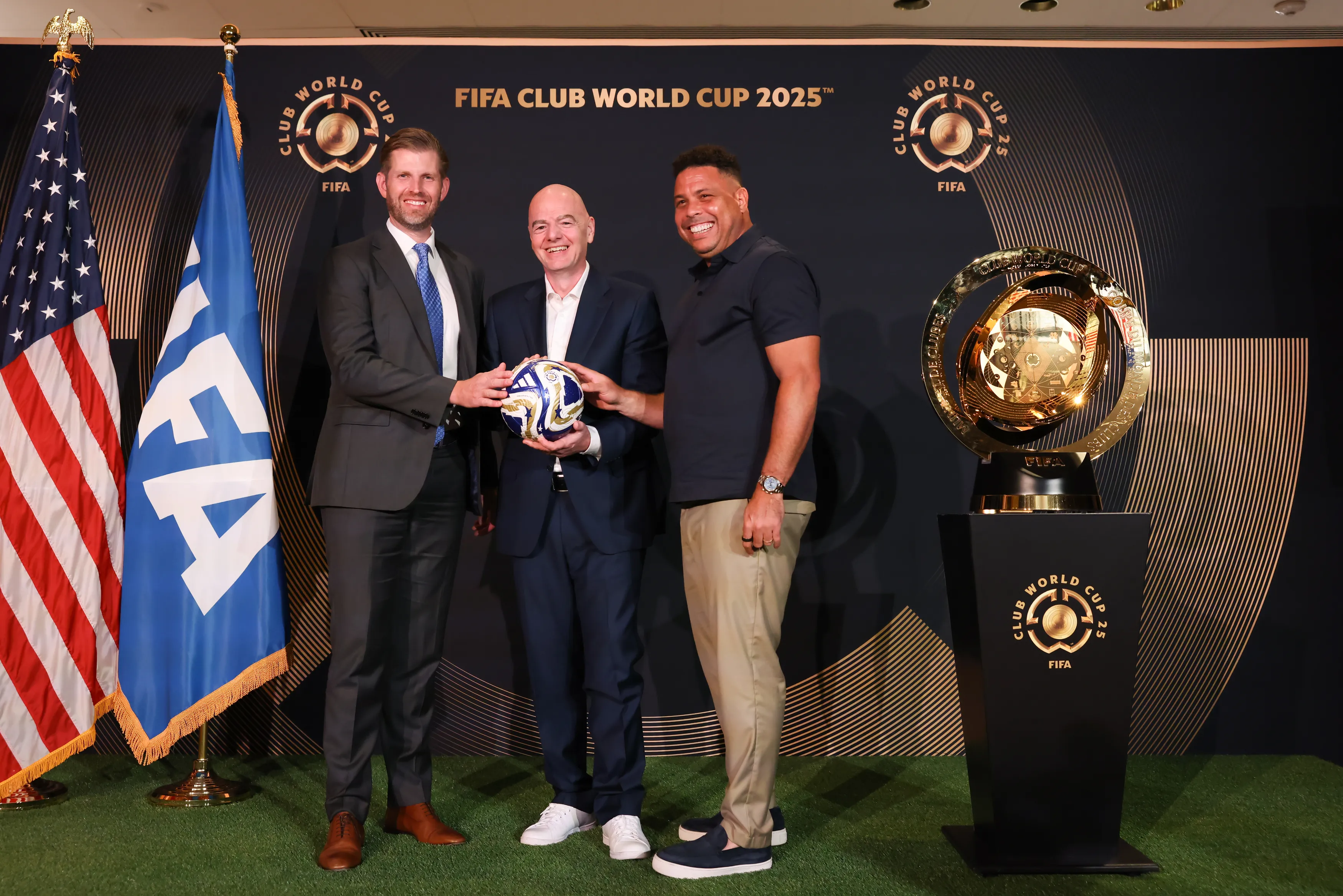
A FIFA spokesman said the organization was paying market rent, or a normal price for similar space nearby, according to earlier reporting in The New York Times. The same spokesman said the office would be used during the World Cup. Trump Tower hosted a five-day exhibition of the FIFA Club World Cup Trophy for visiting fans, according to FIFA. Trump was scheduled to attend the Club World Cup final at MetLife Stadium, according to ESPN. Infantino spoke at a reception hosted at Trump Tower.
A separate disclosure dispute now involves Infantino. Disclosure means publicly reporting pay as rules require. FIFA was accused of failing to disclose millions in payments to Infantino, according to Sports Business Journal. A Times investigation reported that Infantino received millions in undisclosed payments, according to The Times. Sources said some of that money covered his luxury lifestyle in Miami ahead of the World Cup.
A U.S. House inquiry is investigating FIFA's rental of office space in Trump Tower. The inquiry puts a private business lease by a Switzerland-based international federation under review by U.S. lawmakers. It also creates a public paper trail beyond FIFA's own financial reports.
The broader context here is institutional rather than just about one deal. Like renting an apartment for seven years but rarely living there, the lease raises familiar questions about procurement, political-connection risk, and how money is used inside global sports bodies. Procurement is the process for deciding what to buy and approving spending. Those questions include how market rent was set, who approved the commitment, and how much use was expected. The reported plan to keep staffing light except around tournament operations sharpens the focus on size and spending controls.
Looking at what this means for FIFA diplomacy, logistics and access are linked. Hosting a tournament takes constant coordination with city officials, federal agencies, stadium operators, and security planners. A Manhattan office can handle meetings, guests, and business needs. When that office is in a building owned by an active political figure, lawmakers, sponsors, member associations, and reporters will read each step more closely. That does not settle the factual questions. It explains why the lease and the pay-disclosure claim are now moving on two separate tracks, one in Congress and one in the press, with different standards of proof and timelines.


