ETIAS on Hold: What UK Travellers Should Know About Europe's Delayed Permit
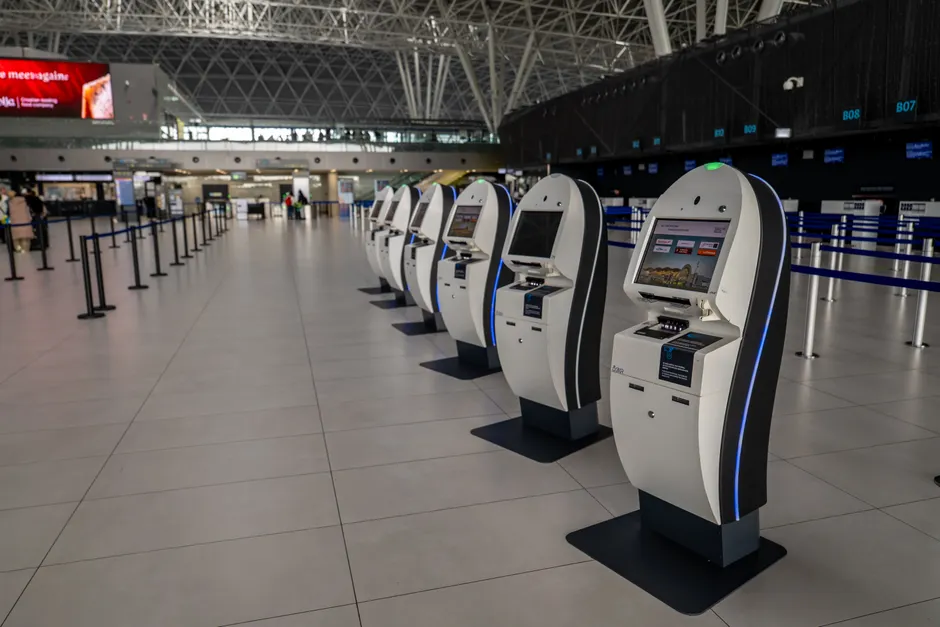
ABTA has told Britons travelling to Europe not to apply for an ETIAS authorisation, because the scheme is delayed and no applications are being taken.
The warning follows continuing problems with the EU's entry-exit system (EES), the digital border system that logs entries and exits. ETIAS is now suspended with no launch date set, according to The Guardian.
ETIAS, the European Travel Information and Authorisation System, will require non-EU travellers including those from the UK, US, Australia and Canada to hold a €20 (£17) electronic waiver to enter the Schengen zone, the group of European countries with open internal borders. The system is not live. The EU's official ETIAS site states that ETIAS is currently not in operation and no applications are collected at this point, while a separate FAQ adds that no action is required from travellers at this point.
More than 150 websites are offering ETIAS application services despite that status. Frontex, the EU border agency, warned about scam ETIAS websites long before ETIAS was due to start. ABTA directs travellers to the EU's official domain, travel-europe.europa.eu/etias, as the only source for future applications.
ABTA director of public affairs Luke Petherbridge said ETIAS was due to come into force this year but is now back on hold. ABTA says ETIAS should not start until EES is fully operational and working properly. Its surveys found 46% of visitors to Europe reported full border checks, with half of those waiting less than 30 minutes and 13% queuing for an hour.
The fee has changed during the delay. It has risen from €7 to €20, with over-70s and under-18s exempt from payment. Travellers travelling on a visa do not need an ETIAS, Irish passport holders are exempt, and British passport holders who have EU residency do not need an ETIAS, according to ABTA. The system works like the US ESTA, a pre-travel permission for visa-free travel. ABTA separately advises that travellers who use eGates in Europe must still have their passports stamped by a border guard.
EU messaging had pointed to a phased rollout. The EU stated that ETIAS will not start in the first half of 2025, and a revised timeline published on 13 April 2025 said that after EES becomes operational first in October 2025, ETIAS was expected to follow in the last quarter of 2026. That timetable has been superseded by the current suspension.
Public awareness has grown while the start has slipped. ABTA research found awareness of coming EU border requirements rose from 41% in 2024 to 56% now.
The broader context here is one of linked border reforms rather than a single permit. EES creates the biometric entry and exit record, ETIAS provides pre-travel screening, and trouble in the first makes the second hard to start without longer queues at air, sea and juxtaposed controls. For operators and policymakers, the immediate issue is expectation management, limiting payments to unauthorised intermediaries, and ensuring EES stability before adding a new authorisation layer for visa-exempt nationals.


