Guilfoyle Asked to Resign as U.S. Ambassador to Greece Amid Misconduct Allegations

Kimberly Guilfoyle is stepping down as U.S. ambassador to Greece.
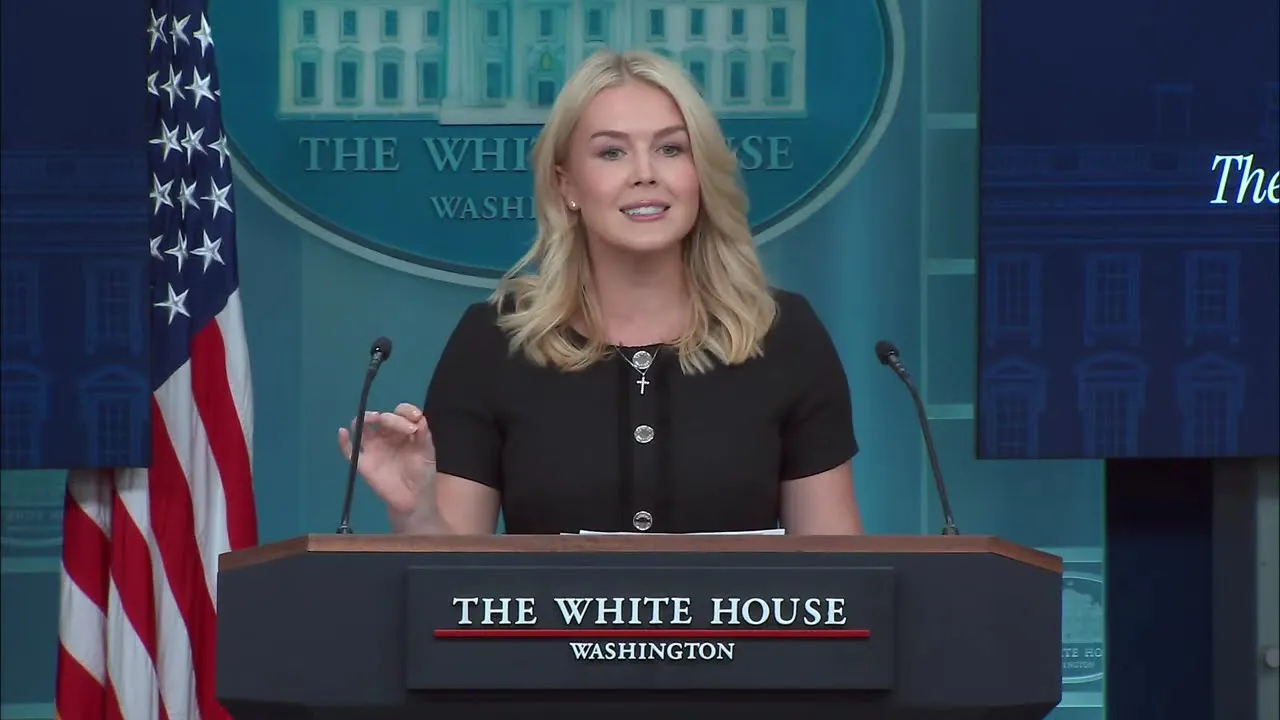
The White House announced the end of her diplomatic tenure on the morning of Oct. 13, 2026. White House press secretary Katie Zacharia said "We have asked Ambassador Guilfoyle to resign" The Guardian. Her tenure was brief.
Guilfoyle confirmed her departure. She called the assignment the "honor of a lifetime" and rejected "false" allegations against her The Guardian. She denies wrongdoing.
The announcement followed a public warning her job was under review. President Donald Trump said his administration was "looking at" firing Guilfoyle amid misconduct allegations, according to reporting published Oct. 12 NBC News. Her resignation a day later came amid a misconduct probe NBC News.
The allegations center on reporting first published by the Wall Street Journal on Oct. 8. The Journal reported, citing Signal messages, that Guilfoyle sought payment in exchange for access to administration officials, with donor Eric Deters at the center of the claim The Guardian.
Specifically, the Journal reported that in July 2025, days before her Senate confirmation hearing, the formal Senate review nominees must pass, Guilfoyle pressed Deters to pay off a $100,000 American Express bill. The request was described as part of a wider exchange in which she allegedly offered to use her influence on his tax and legal problems in return. She allegedly said she had contacted the IRS commissioner, the head of the federal tax agency, and the Justice Department on his behalf.
Deters has said he paid Guilfoyle about $300,000 over the years without receiving "one favor." Payment is acknowledged. Whether official help was promised or delivered, a quid pro quo or favor for money, is contested on both sides.
The Journal reporting went further. It also alleged that Guilfoyle accepted improper gifts and services, made an alleged threat to a host-country official, and promoted the interests of Greek company Aktor during official engagements. As chief of mission, the ambassador in charge of the embassy, she faced tight rules against using office for private gain, pressuring Greek counterparts, and promoting a business outside approved channels.
Her lawyer, Jesse Binnall, said she disputes the authenticity of the messages behind the payment allegation. That puts the record itself at issue, not only how to read the exchanges.
Guilfoyle had been named for the Athens post by Trump in December 2024. She was once a top Trump campaign surrogate. That profile is typical of political appointees, people picked for closeness to the president rather than advancement through the career Foreign Service, the professional diplomatic corps.
The broader context here is about vacancy and leverage. An abrupt departure does not stop joint U.S.-Greek business, but it shifts daily authority to the deputy chief of mission, the second in command, and can narrow political room in Athens for sensitive files. Confirmation vetting looks backward by design. When allegations surface after confirmation, the White House must weigh the cost of a replacement against the cost of keeping an envoy whose standing with the host government is damaged. In my view, the quick sequence from Journal report to presidential comment to requested resignation points to a judgment that keeping her had become costlier than change, even without a formal finding.
Looking at what this means for Washington, the episode will likely sharpen scrutiny of nominees' private finances during confirmation and of business promotion by chiefs of mission once in country. The legal questions around the messages, the alleged outreach to tax and law enforcement agencies, and the alleged conduct toward a host-country official are separate tracks. Each will turn on its own evidence, not on the resignation itself.