Queensland Reviews Mine Cleanup Guarantee System Amid Environmental Concerns
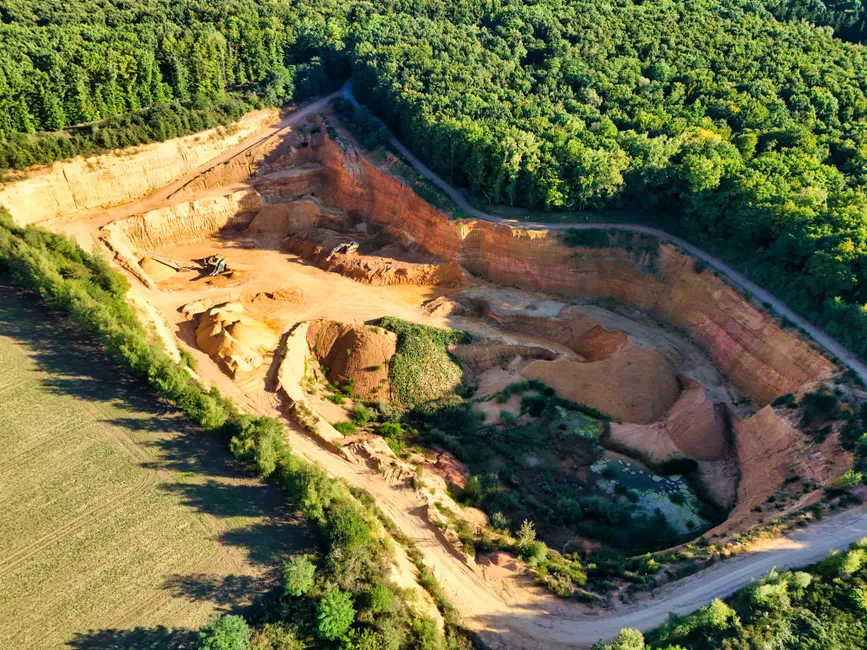
Queensland's government has ordered a review of how mining companies guarantee they have enough money set aside to clean up environmental damage once operations end. The announcement in July 2026 by Treasurer David Janetzki and Mining Minister Dale Last has prompted swift criticism from environmental groups, who worry that changes could shift cleanup costs onto taxpayers.
Understanding the Scheme
Queensland introduced the Financial Provisioning Scheme in 2019 as a way to ensure mines don't leave behind abandoned liabilities when they shut down. Here's how it works: companies judged to pose lower environmental risk pay into a shared fund managed by Queensland Treasury. Those with higher risk must hold their own financial security — bonds, insurance, or similar protections — specific to their operations. The Treasury also collects money from forfeited deposits and directs it toward rehabilitation work.
The reasoning is practical. Mining leaves behind long-term environmental problems — acid-contaminated groundwater, heavy metals in soil, land subsidence — that can take decades to resolve. Without companies putting money aside upfront, if an operator runs out of cash or disappears, taxpayers get stuck with the bill.
What the Government Wants
The government framed this review as a way to keep the scheme "fit for purpose" and not unnecessarily block investment. More pointedly, Janetzki highlighted a real tension: large mining companies can absorb these financial requirements fairly easily, but smaller and earlier-stage operators — juniors and explorers — often find the same requirements far harder to meet. For smaller firms with uncertain project economics and limited cash reserves, putting up large financial guarantees can make a project impossible to finance or get approved.
That distinction matters. The government is signaling that relief for smaller operators is likely a key part of how they rethink the scheme.
The Environmental Risk
Environmental advocates responded immediately with a structural concern. The Lock the Gate Alliance's Claire Gronow argued that smaller miners are exactly the operators most likely to walk away from unfinished cleanup work if financial requirements weaken — the opposite of what the government claims will help. The logic is sound: the 2019 scheme weighted requirements by risk partly because smaller and more marginal operators have historically abandoned sites more often. Lower assurance requirements for that group would create a larger gap between what the government thinks needs cleaning up and what companies have actually set aside.
This debate is not new. British Columbia, South Africa, and parts of the United States have all grappled with the same question: how do you encourage investment without leaving the public holding environmental damage? The pattern that emerges across those cases is telling — partial exemptions for smaller operators, once granted, tend to stick around and expand. Once carved out, they create constituencies interested in keeping them.
What Comes Next
The government has not released details about how the review will be conducted, how long it will take, or whether public consultation will happen. That vagueness makes it hard to know whether this will be a modest technical adjustment — tweaking how risk is calculated or how much smaller companies pay into the shared fund — or a more fundamental rethink of who needs to hold direct financial protection and at what level. The choice between those options will determine how well the scheme protects the environment.
The Queensland LNP government, now holding both the Treasury and mining portfolios, came to power partly on a platform of cutting red tape for the resources sector. This review fits a broader pattern of reconsidering environmental rules left in place by the previous Labor government. When the government releases its formal terms of reference, both industry and environmental groups will make detailed pitches about what should change. The final shape of any new scheme will emerge from that contest.


