Farage Calls for Prosecution of Charities That Aid Asylum Seekers

Nigel Farage said charities and volunteers who help asylum seekers reach the UK should face possible criminal prosecution.
The Reform UK leader spoke in an interview reported on 14 October 2026 with Benny Johnson, a right-wing US podcaster who previously wrote for right-wing US outlets including Breitbart News. Johnson asked Farage if he supported criminal penalties for those who facilitated the "invasion of the English Isles". Farage answered "Totally, totally". The Guardian
Farage did not specify which groups should face prosecution. He described small-boat arrivals of asylum seekers as "literally an invasion of people who could cause us enormous harm". He named no targets. A Reform spokesperson said his comments "speak for themselves".
The remarks fit with earlier Reform UK statements on action against facilitators. The party has said that under a Reform UK government, any British charity found knowingly aiding or abetting illegal immigration would face investigation. Reform UK
On asylum procedure, the legal process for deciding who gets protection, Farage pledged to suspend asylum claims in the UK for up to five years. Reuters Under that pledge, all new applications would be rejected and pending cases voided, with all claimants marked for deportation, or forced removal from the country. BBC Farage also said a Reform UK government would threaten foreign assets in the UK if other countries refused to accept deportees. The Independent
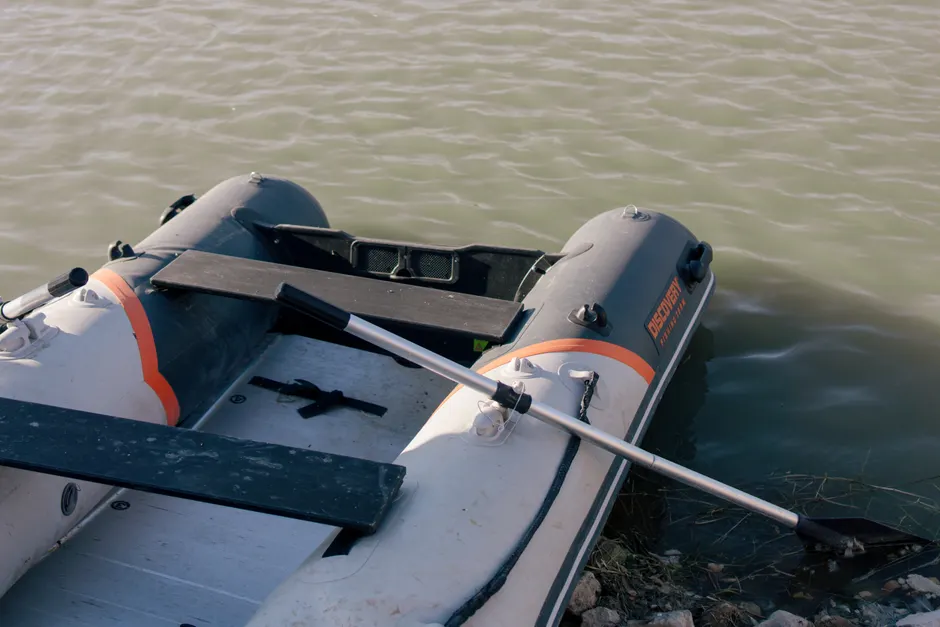
On stopping boats, Reform UK has proposed a military-led operation to stop asylum seekers arriving in small boats. Reuters Farage said asylum seekers who arrive in small boats would be intercepted and returned under the tougher immigration policy.
The broader context here is how the law defines helping. Criminal liability for facilitation usually turns on profit, organization and intent. Extending that language to charities and volunteers without naming laws, thresholds or exemptions leaves unclear whether the target is funding, logistics, legal advice, rescue or advocacy. That lack of clarity matters because police, prosecutors and courts would need precise categories to act.
Another question is how a blanket suspension would work in practice. Rejecting new claims, cancelling pending ones and marking everyone for deportation would replace individual decisions with one rule for all. That raises practical issues around detention, removal logistics and whether other countries agree to take people back. Threatening foreign assets is presented as the answer to refusal, linking returns to investment in the UK and to relations between governments.
A further issue is control at sea. A military-led effort to intercept and return boats would require rules on use of force, legal limits and coordination with civilian border and rescue teams. Without those details, it is hard to judge cost, feasibility or legal risk.
In my view, the interview is less a detailed legislative plan than a statement of enforcement philosophy: deterrence through criminal risk, administrative closure and pressure through diplomacy. The test will be how each part could be turned into workable law and functioning agreements.