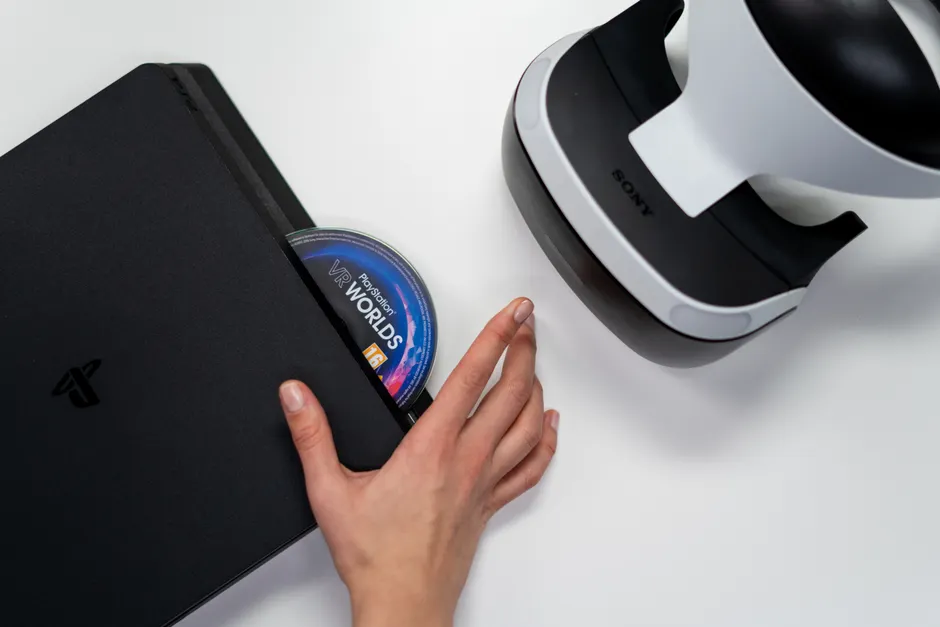
Sony Ends PlayStation Disc Manufacturing by January 2028

Sony will stop making physical game discs for new PlayStation releases starting in January 2028, the company announced on its PlayStation Blog on July 1, 2026. Reuters independently confirmed the announcement the same day.
The change applies only to new titles launching after the cutoff date. Sony clarified that existing games released on disc before January 2028, along with any future re-releases of those titles, will not be affected. Publishers can continue to request reprints of older games even after the deadline, though Engadget reported that Sony indicated the reordering process will change post-cutoff without specifying the details.
Sony's replacement strategy: new games will be distributed at retail in digital code-in-box format. Rather than a pressed disc, retailers will stock cards or boxes containing download codes — a model already standard on PC and increasingly used on console stores. The shelf space remains; the optical media goes away.
The Infrastructure Behind the Exit
The most telling sign that this is permanent comes from Sony's factory investment. The company has spent millions retrofitting its PlayStation disc manufacturing facility in Salzburg, Austria to produce optical microlenses instead of game discs. Converting a production line is not a tentative policy choice; it is a structural commitment.
On the same day as the disc announcement, Sony disclosed it will close the PlayStation Store for PS3 and PS Vita globally by July 2027. These announcements address different scopes — one affects legacy hardware from over a decade ago, the other reshapes how all future PlayStation software reaches physical retail — yet together they signal a consistent direction.
What It Means for the Next Console Generation
Industry analysts quickly connected the implications. Daniel Ahmad, director of research at Niko Partners, noted that Sony's move "pretty much confirms PS6 will be digital only," a reasonable conclusion given the factory conversion timeline: if disc production ends in January 2028 and a new console typically has years of software releases ahead, building a disc drive into the next PlayStation would support an increasingly limited catalogue.
Sony has already been moving toward this outcome. The PS5 launched with a Digital Edition option (no disc drive) at lower cost, and its digital software sales have grown as broadband access expanded across key markets. The Salzburg factory conversion translates that gradual shift into fixed infrastructure.
One detail deserves attention from publishers and observers. Sony has confirmed that reorders of pre-2028 titles will remain possible, but the specifics — minimum quantities, timelines, costs — have not been disclosed. For independent publishers who rely on reprints to meet collector demand or supply retail shelves over time, those terms will significantly affect their economics. The code-in-box model also changes how retailers think about margins and shelf space compared to a physical disc, and the outcome of those commercial negotiations is not yet certain.
Physical game sales have proved more resilient than many predicted. Collectors, gift-buyers, and players in regions with limited broadband continue to purchase discs. But Sony's January 2028 deadline — backed by concrete factory investment — sets a clear endpoint for new physical releases on PlayStation. Developers and publishers have roughly 18 months to plan final disc launches and clarify their relationship with whatever new reordering system Sony introduces.