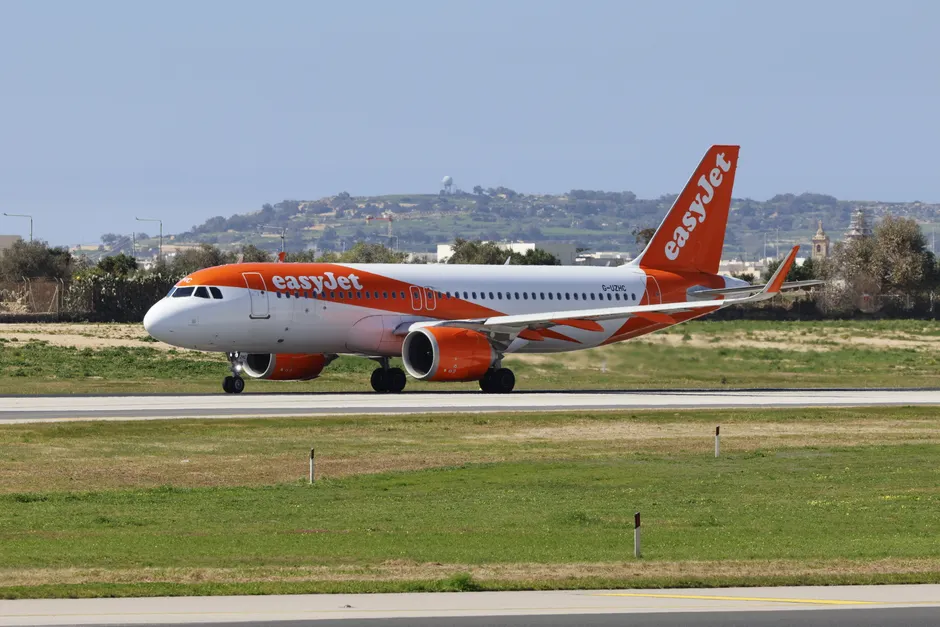
EasyJet Going Private: How Castlelake Won a Seven-Week Bidding War

On 5 July 2026, EasyJet's board accepted a takeover offer from Minneapolis-based private investment firm Castlelake at £6.90 per share, valuing Britain's biggest low-cost airline at roughly £5.2 billion, according to The Guardian and Bloomberg. The agreement takes the airline off the FTSE 250 and moves it into private ownership. Castlelake has until 5 August 2026 to lodge a formal offer under the UK Takeover Code, or step away.
The Lengthy Bidding War
The £6.90 price was Castlelake's fifth attempt. The first non-binding offer, submitted on 12 June at 560 pence per share, set the floor. Over the next seven weeks, Castlelake revised its bid multiple times—each rejection hardening the board's position, each revision narrowing the gap.
Castlelake's three earliest proposals (totalling around £4.74 billion) were made directly to shareholders rather than to the board, a tactic designed to pressure directors. A fourth bid was rejected around 22 June; a fifth at 625 pence followed on 20 June and was also declined. When the board rejected a sixth sweetened proposal—then worth roughly £4.93 billion—on 25 June, it paired the rejection with a signal: Castlelake could begin formal due diligence, examining EasyJet's books. That move suggested the two sides were close. Even a £6.50-per-share offer, made roughly ten days before the final agreement, was called undervalued and sent back.
The arc from 560p to 690p across seven weeks is a 23% climb. Under UK Takeover Code rules, the board can now say it intends to recommend the firm offer once Castlelake makes it formal—standard language for a board that has settled on price but has not yet signed binding terms.
Why Castlelake Wants EasyJet
Castlelake is moving ahead alongside aviation executive Peter Bellew and investor Mark Breen as joint offerors, a structure disclosed in London Stock Exchange filings on 1 and 3 July 2026. The inclusion of Bellew—a seasoned hand in aviation operations—suggests this is not a pure financial play.
In its public statement, Castlelake described EasyJet as a platform for "future growth and transformation," and explicitly backed the airline's fleet-renewal plan: buying newer, more fuel-efficient aircraft. At a low-cost carrier, fleet modernisation cuts directly into the bottom line. Newer narrowbody jets burn less fuel per seat, which shrinks operating costs and boosts profit margins—the measure by which the budget airline sector lives and dies.
Castlelake held a 2.14% stake (16.2 million shares) when it first disclosed itself as a potential offeror on 10 June 2026. Takeover speculation had circulated since 29 May, so the market had been pricing in the possibility for over five weeks before the agreement was announced.
The Regulatory Hurdle Ahead
Under the UK Takeover Code's "Put Up or Shut Up" rule, once an acquirer signals a possible bid, a deadline is set: either announce a firm offer or publicly walk away. EasyJet's board extended that deadline when it rejected Castlelake's fourth proposal on 22 June, a move Castlelake called evidence of "constructive engagement." The new deadline—3 August 2026—is now the clock that matters.
Once Castlelake makes its bid formal, shareholders will vote. But regulatory approvals loom larger here. EU law requires carriers operating in the Single European Sky to be majority-owned and controlled by EU nationals. EasyJet's operations in Switzerland, Austria, and elsewhere across Europe complicate that analysis. Post-Brexit, the airline created a separate EasyJet Europe entity to navigate those rules, but any change of control reopens the regulatory file across multiple jurisdictions.
What Privatisation Changes
Taking the airline private removes the constant pressure to deliver quarterly earnings targets and the scrutiny of stock analysts. For a carrier dealing with aircraft delivery delays from manufacturers, swinging fuel prices, and staffing shortages that have plagued European short-haul routes since 2022, that freedom is material.
Castlelake's willingness to back the fleet investment publicly raises a question about its time horizon. A five-to-seven year plan to rebuild the airline and sell it back to the public looks different from a longer-term hold. How aggressively Castlelake pursues that fleet spending will offer clues about its intentions. For now, the board has locked in its price. The next move is Castlelake's, with the 3 August deadline looming.