How South Africa's Biggest Fashion Competition Works—and Why It Matters
How South Africa's Biggest Fashion Competition Works—and Why It Matters
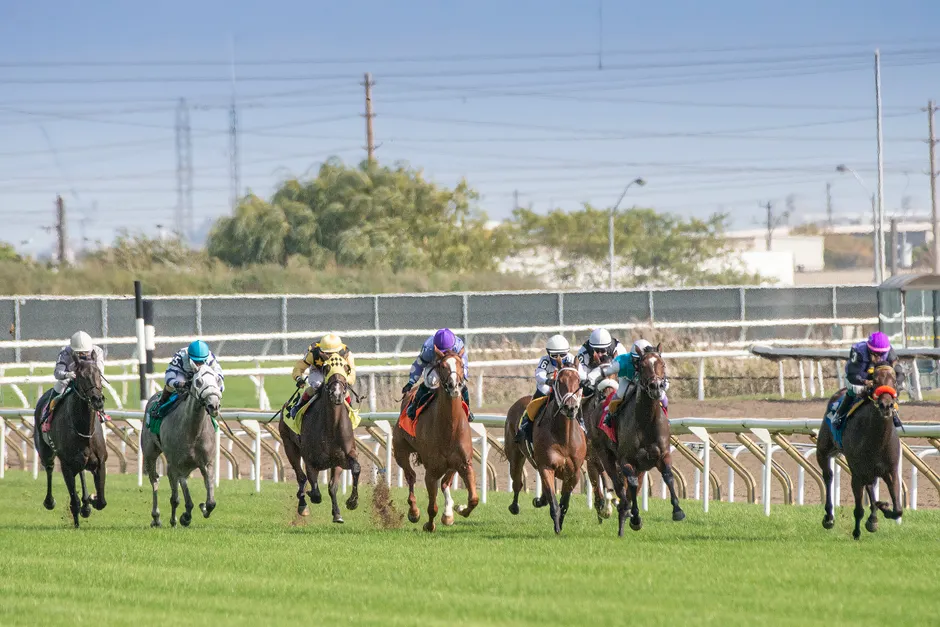
More than 140 fashion design students from 10 colleges entered the emerging talent competition at the 2026 Hollywoodbets Durban July on July 4, 2026—the largest group the event has ever attracted. The race, held at Greyville Racecourse in Durban, included a fashion component alongside the horse racing itself, with the competition organisers noting the record turnout.
The year's theme was 'Country Allure'—a concept that invited designers to blend rural landscapes and equestrian (horse-related) culture. The brief gave them room to work with traditional craft techniques while creating modern clothing styles. Twenty-five semi-finalists were chosen after a judging round on June 4, and these finalists presented their work on race day itself.
On the day, the Fashion Awards registration began at 11h30, with the public allowed in from 09h00. The runway show and trackside styling drew together student designers, professional models, and fashion enthusiasts who used the occasion to showcase African style to a national and international audience, as TimesLIVE reported.
The 2026 designs leaned toward sculptural fascinators (elaborate headpieces) and modern country couture—a pairing that felt less like costume and more like genuine design language made for the track. IOL's coverage noted that the 'Country Allure' fashion drew as much editorial attention as the racing itself.
Why This Competition Matters
The Durban July's fashion culture works differently from most other major horse races around the world. Royal Ascot in England has strict dress codes set by the organisers. The Kentucky Derby in the US relies on regional traditions. Durban, by contrast, built its reputation on an open creative culture—structured enough to attract design colleges as official entrants, but loose enough to reward bold choices from the crowd. The student competition reflects this balance: it bridges design school and actual industry, offering something real classroom critiques cannot—a public deadline, professional judges, and direct access to South Africa's fashion media and retail buyers.
For the 10 colleges involved, the stakes are concrete. With over 140 entrants narrowed to 25 semi-finalists in a single round, the selection carried genuine professional weight. Getting through was not easy.
South Africa's fashion industry has faced real pressures over the past decade: competition from imported goods, weak consumer spending, and a struggling local manufacturing sector. Events like the Durban July channel genuine media and business attention toward local designers in ways that carry economic value beyond the spectacle. Whether this emerging-talent pipeline leads to lasting careers depends on many factors beyond a single race day, but the platform itself reaches the people who matter—the press, the buyers, the industry gatekeepers.
The Broader Cultural Conversation
The 'Country Allure' theme also placed the event within a larger conversation in South African design about African identity and landscape. Equestrian culture as a design reference occupies tricky ground: it carries colonial-era baggage in South Africa while simultaneously being woven into genuine rural African life. How the student designers tackled that tension—and which interpretations the judges favored—will likely influence how other designers approach similar themes for the rest of the year.