Titanium Court Expands to Switch, PS5, and Mobile on October 29
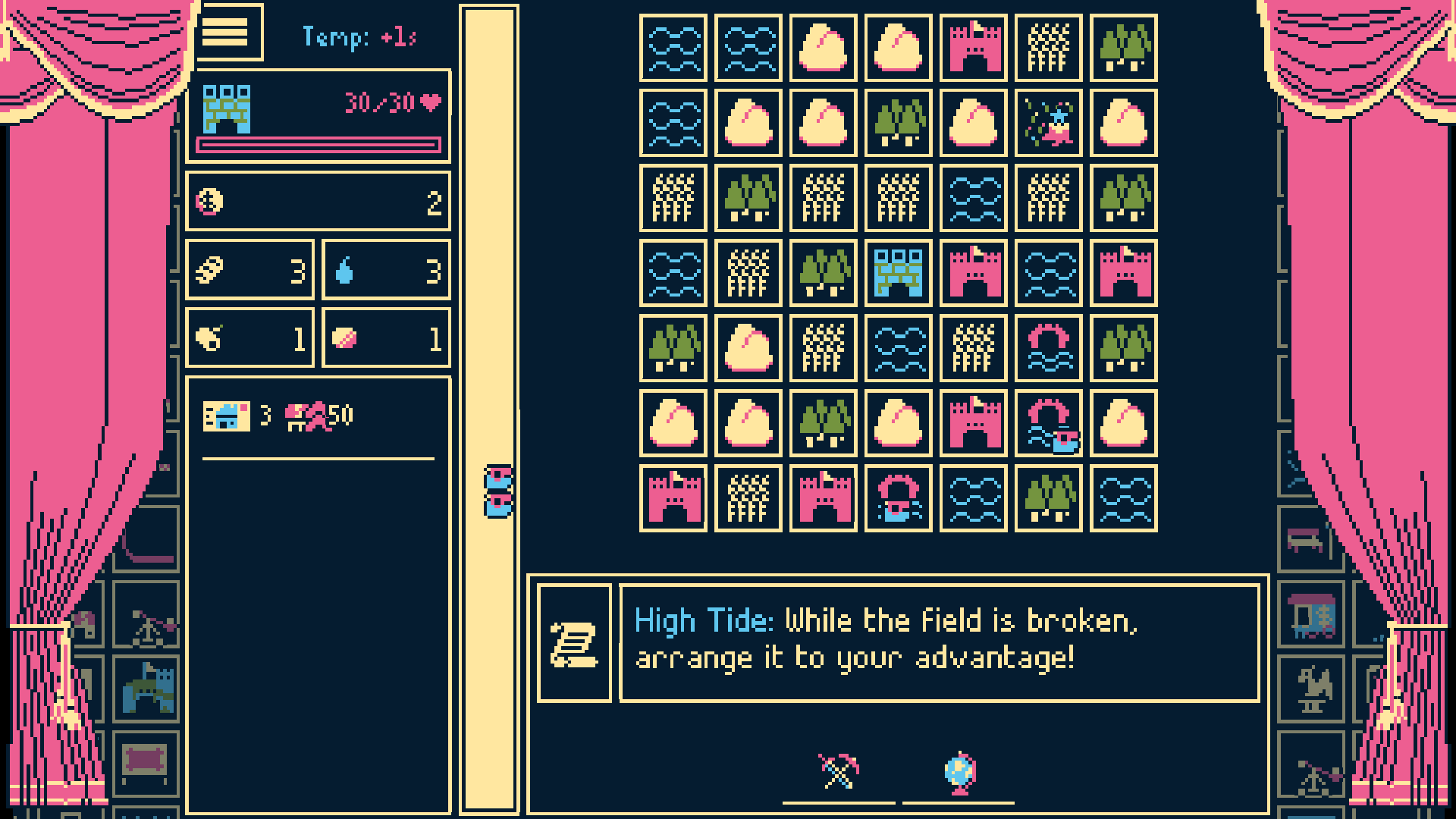
Titanium Court will release on Nintendo Switch, Switch 2, PlayStation 5, Android and iOS on October 29. Engadget reported the date on October 14.
The rollout covers both Nintendo Switch generations, Sony's current console, and the two dominant mobile operating systems in a single day. It moves the game beyond its PC-only footprint.
The game was developed by AP Thomson. It debuted on Steam in April, with its PC launch confirmed for April 23, 2026 on Steam. GamesPress carried the April announcement. Titanium Court also won the Seumas McNally Grand Prize at the Independent Games Festival Awards.
Fellow Traveller released a public demo for Titanium Court in March. Fellow Traveller documented the demo release on March 4. The same materials describe the game as a match-three, tower defense, roguelike. In plain terms, that means swapping tiles to make matches, placing defenses to block incoming waves, and playing in runs that reset when you fail. No further system specifications were included in the verified facts.
The broader context here is how demanding that combination is. Match-three rewards fast pattern recognition. Tower defense rewards planning and careful spending under pressure. Roguelike structure adds different layouts each run and lasting penalties for failure. Keeping all three readable on screen, without one system crowding out the others, is a difficult design and interface problem.
Looking at what this means for consoles and mobile, controls will shape how the game feels. Touch input is direct, a controller is indirect, and a mouse sits between them. For a game that mixes board swapping with timed placement, selection size and pause behavior affect fairness. Short sessions suit phones. Longer runs suit consoles and PC.
In my view, the October 29 rollout is best read as an accessibility expansion rather than a reinvention. The PC release set the rules and earned festival recognition. Consoles and mobile widen where and how people can play. Worth flagging for developers watching this launch is how balancing, teaching, and interface size are handled across five platforms at once. If it holds together, it gives other teams a practical example of pairing easy-to-read mechanics with deeper systems.


