Mosqitter Wants to Turn Its Traps Into an AI Mosquito-Tracking Network
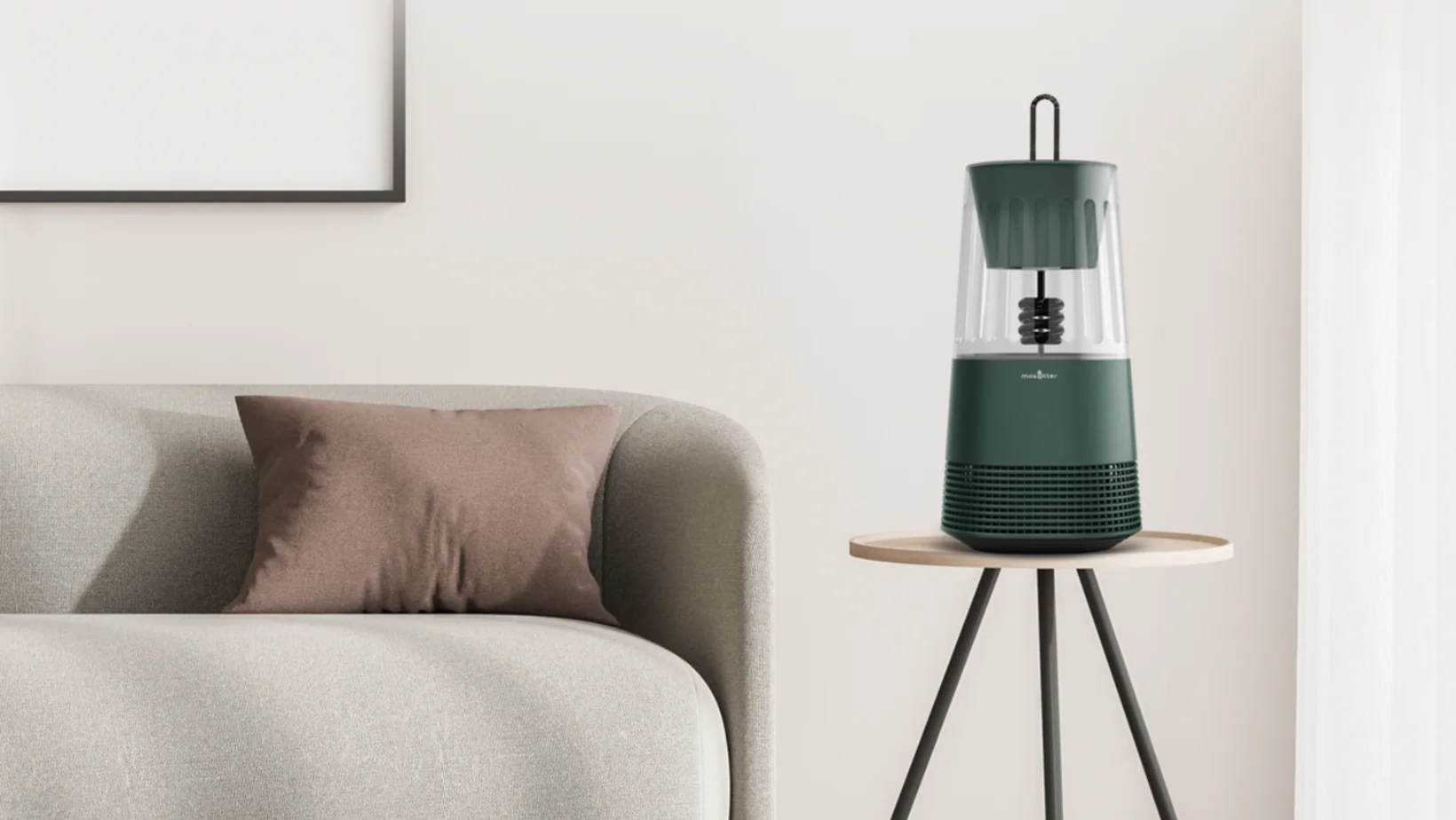
Mosqitter used its October 14, 2026 appearance at TechCrunch's Startup Battlefield in downtown San Francisco to outline a shift from selling standalone mosquito traps to operating an AI-powered monitoring network. TechCrunch
The company is a 30-person startup based in Pennsylvania, led by co-founder and CEO Anastasiia Romanova. It began research and development in Ukraine in 2019 and started business operations in 2021, which it treats as its official go-to-market year.
Mosqitter reports more than 5,000 devices running on five continents as of October 2026. That is up from just over 250 devices when TechCrunch last covered the company in 2022.
The hardware is chemical-free and targets female mosquitoes by copying the heat, scent and breathing cues people give off. The flagship Mosqitter Grand is built for larger areas and public spaces. It uses heat close to human skin temperature, scent that copies human skin odor, light, and CO2 to copy human breathing. The company calls Grand a Smart CO2 Mosquito Trap for yards up to 2 acres. The Mosqitter Mini is for smaller homes and can also work as a portable monitoring device. It is described as a chemical-free indoor and outdoor trap.
App-enabled control is available only for the Grand. Indoor use is available only for the Mini. Mosqitter sells trapping nets and attractants separately to refill devices in use. It advises keeping traps on 24/7 during mosquito season, placed outside in an open spot not blocked by dense plants, buildings or other obstacles. Users usually notice fewer bites within the first few days, with activity falling further over two to three weeks. Mosqitter advertises a 93% reduction in mosquito bites, and notes the actual catch rate can vary with climate, mosquito species, device placement and surrounding conditions. Mosqitter
The proposed change is in software and data. Mosqitter wants its traps to form a monitoring network that can identify mosquito species, track changes in numbers, and give earlier warnings about disease risks. Identification relies on computer vision, software that classifies objects in images, here by studying biological features that separate species. In practice, Mosqitter passes an image through its neural network, a pattern-matching model trained on examples, checks it against outside datasets, asks entomologists to validate the result, then gives a confidence score that states how sure the system is.
The system also feeds environmental data on weather, wind and humidity into its models. Mosqitter plans to combine trap and environmental data to forecast shifts in mosquito populations and possible health risks. The vehicle for that is Febris, a smart mosquito monitoring system that connects to Mosqitter traps. The company planned to formally introduce the Febris Monitoring System in November 2026. Company materials describe Febris as built for advanced population control, with sensors that identify species during capture for immediate threat assessment. Listed features include Precision Mapping and Historical Insights. Mosqitter
Global dengue cases rose from 6.5 million in 2023 to a record 14.6 million in 2024, according to the World Health Organization.
The broader context here will be familiar to anyone who has watched sensor networks develop. A trap alone cuts bites in one yard. In my view, the bet is that 5,000 connected traps with species labels plus weather, wind and humidity data can give cities a view across time and place that manual trapping and lab work cannot match. The use of entomologist checks and confidence scores shows Mosqitter knows public-health users will not trust a closed system with no record of how it reached its answer.
Worth flagging is what that would allow if the data holds up. Precision Mapping and Historical Insights point to long-term baselines, season-to-season comparisons, and targeted action instead of broad spraying. The practical questions are how much analysis runs on the trap itself versus in the cloud, how the system handles new or similar-looking species, and how confidence levels translate into field decisions. Those answers will decide whether Febris works as monitoring infrastructure or stays as an add-on to consumer hardware.
Mosqitter now has the deployment numbers and a clear product plan. The next test is the November launch of Febris and whether trap data can become reliable forecasts that mosquito-control teams will use.


