TimeTeller Is Timing Cancer Care to the Body's Internal Clock

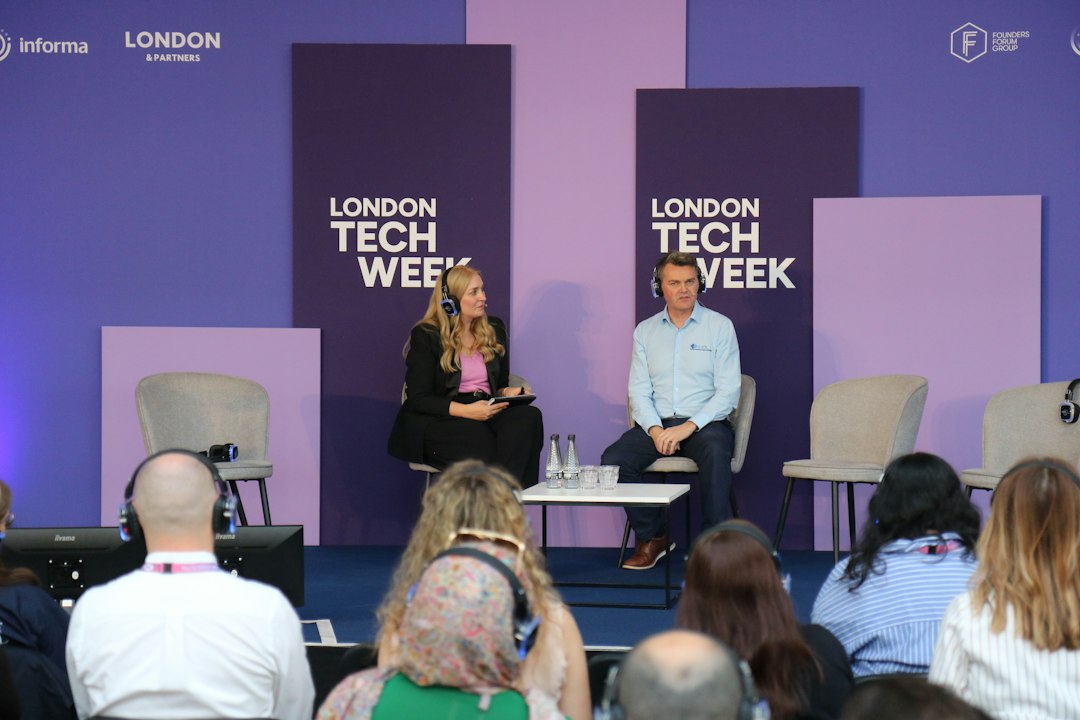
TimeTeller presented its saliva-based circadian profiling kit at the TechCrunch Disrupt Startup Battlefield in San Francisco on October 14, 2026. TechCrunch The German startup aims to reduce side effects from cancer treatment and improve outcomes by timing treatment to each patient's internal clock.
The company is led by CEO Angela Relógio, a physicist-engineer and molecular biologist. She researched oncology, circadian biology (the study of roughly 24-hour body cycles) and systems medicine in Germany before leaving academia to build TimeTeller. Cofounder Benjamin Dose is a biochemist and market access specialist. TimeTeller spun out of Berlin's Charité university hospital and has since moved to Medical School Hamburg. The team is 10 people. It was the tenth spin-off of the BIH Digital Health Accelerator.
The core test is a non-invasive molecular and software tool for mapping circadian rhythms and predicting daily routines, including treatment timing. In a 2025 study, TimeTeller was used for RNA extraction and core clock gene expression analysis (measuring how active time-keeping genes are) from saliva collected at 3-4 time points per day over 2 consecutive days. That saliva workflow follows earlier Charité work. Researchers at Charité developed a blood test in 2018 that can determine the state of a person's internal clock.
Timing is not DIY. TimeTeller's direct-to-consumer kit does not enable patients to determine cancer treatment timing on their own. Timing is calculated for every single medicine in the context of clinical studies. The long-term goal is to determine when cancer treatments will be better tolerated and most effective.
The commercial path runs through payers, not just consumers. TimeTeller secured a partnership with Techniker Krankenkasse, one of Germany's largest health insurance providers, with 12 million members. The partnership started as a reimbursement deal in which the insurer pays back the cost of the test for a subset of cancer patients.
The medical rationale is chronotherapy, aligning treatment with the circadian clock. It has shown improved cancer outcomes. Nature Cancer patients experience co-occurring side- and late-effects from cancer and its treatment, including fatigue and sleep difficulties. Researchers are investigating how disrupting the circadian clock in cancer cells affects various cancers, including breast cancer and melanoma. Johns Hopkins Hub Reuters reported on February 4, 2026 that cancer immunotherapies may be more effective when given earlier in the day. Reuters Study leader Dr. Peng said "circadian regulation is a critical yet underappreciated factor influencing how tumors interact with the immune system." Buchwald is leading the TIME trial, a trial of timed immunotherapy for people with skin cancer. Scientific American
The broader context here is the gap between circadian data and clinical workflow. Measuring core clock gene expression is tractable. Saliva sampling across consecutive days, transcript quantification and algorithmic phase estimation can be productized. The hard part is dose scheduling. Infusion centers run on chair time, staffing and pharmacy throughput. Payers require evidence per indication and per agent. That is why a per-medicine calculation inside clinical studies, backed by reimbursement for a defined subset, looks more durable than a consumer chronotype score.
In my view, the bet worth watching is infrastructure rather than intervention. TimeTeller is not proposing a new cytotoxic or checkpoint inhibitor, the drug classes that kill cancer cells or help the immune system attack them. It is proposing a timing layer on top of existing regimens, validated through payer partnerships and prospective trials. If that layer holds up across agents with different pharmacokinetics (how drugs move through the body) and immune dynamics, it gives oncologists a low-toxicity lever to improve tolerability. That is a modest claim by Battlefield standards, and for that reason, a plausible one to build on.