NASA's SPEARS Solid-State Battery Takes on the Lunar Night
NASA is developing solid-state batteries to survive the Moon's thermal extremes and support Artemis surface operations. The SPEARS project focuses on cells that can endure the lunar night at the south pole without the failure modes that limit conventional lithium-ion systems. Engadget
The problem with standard batteries
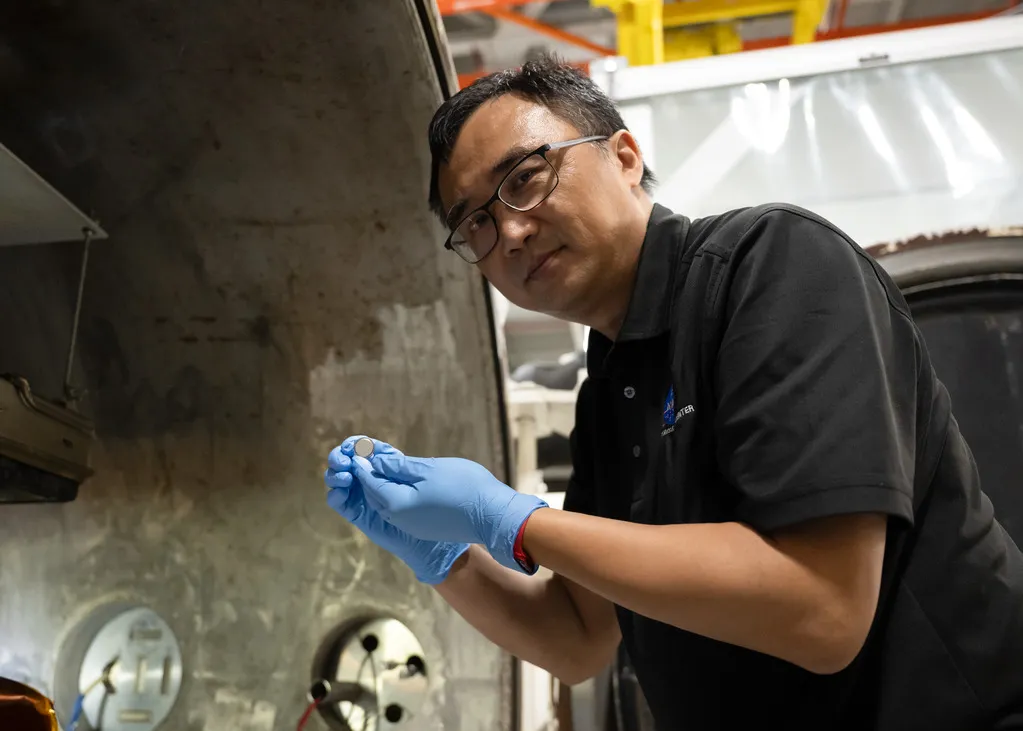
SPEARS stands for Solid Power for Extreme Environment Adaptability and Resilience in Space. The work is led at NASA's Glenn Research Center in Cleveland, with Donald Dornbusch as principal investigator and Yi Lin as testing and research lead at NASA Langley. NASA
Conventional lithium-ion cells use liquid electrolytes that can freeze at low temperatures and damage the battery, and they do not work at very high temperatures. In vacuum, those liquids can also evaporate when exposed to space. With no atmosphere to moderate swings on the lunar surface, standard packaging and thermal control become expensive.
How the solid-state design differs
SPEARS cells replace the liquid with a solid ceramic or polymer material. That removes the freeze-damage mechanism and the evaporation path, and the design is intended to operate without a fire hazard. Solid electrolytes bring limits in ionic conductivity, how easily ions move, and interfacial resistance, resistance where solid layers meet, especially in the cold. The trade shifts from preventing permanent damage to managing slower kinetics at low temperature.
What the cold tests showed
Small prototype cells were tested in thermal vacuum at NASA's Langley Research Center in Hampton, Virginia. The cells operated well up to 176 degrees Fahrenheit (80 degrees Celsius) and down to minus 76 degrees Fahrenheit (minus 60 degrees Celsius). Performance was slightly reduced down to minus 112 degrees Fahrenheit (minus 80 degrees Celsius). NASA
That operation at minus 80 degrees Celsius was recorded for the first time with these cells. The distinction between operating and surviving is central. The prototypes sustained no damage after exposure from 212 degrees Fahrenheit (100 degrees Celsius) to minus 274 degrees Fahrenheit (minus 170 degrees Celsius). They cannot function at minus 170 degrees, but they can survive it.
Why surviving matters on the Moon
SPEARS batteries still need warming to function, but so far they have not been damaged by extreme cold and require less energy-intensive thermal management than lithium-ion counterparts. On the Moon, heating is mass. An estimated additional 5kg of mass is required for every watt of power generated by batteries during the lunar night. NASA TechPort
Daytime highs reach 212 degrees Fahrenheit (100 degrees Celsius), with nighttime lows at the south pole as low as minus 328 degrees Fahrenheit (minus 200 Celsius). Equatorial measurements show daylight exceeding 250 degrees Fahrenheit (121 degrees Celsius) and night dropping to minus 208 degrees Fahrenheit (minus 133 degrees Celsius). NASA Science
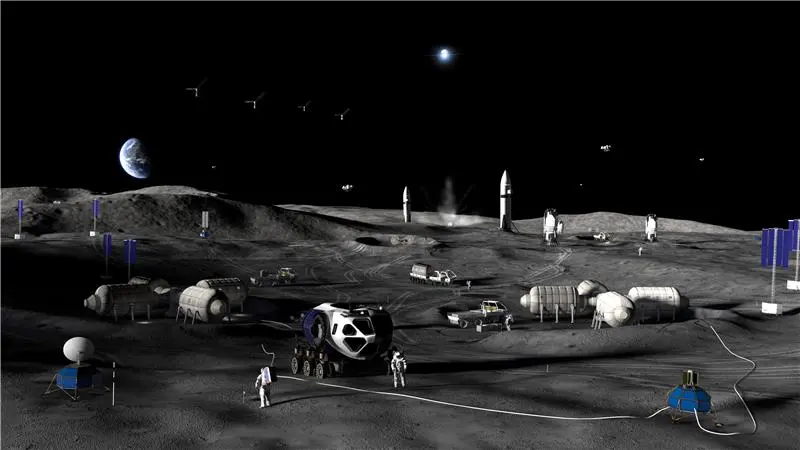
Planned applications include drills operating in shadowed lunar craters, rovers, and emergency power packs for astronauts. Those batteries will sit cold-soaked for long periods, then be called on to deliver power on demand. A cell that can go inert at minus 170 degrees and return to service after warming avoids permanent loss of a drill string, a mobility asset, or a crew reserve.
The broader context here is familiar to anyone who has built hardware for extreme environments. Energy storage is rarely limited by nameplate capacity alone. It is limited by the mass and power needed to keep the storage itself within its operating band. A survivable cell does not eliminate heaters, radiators, or insulation. In my view, the practical gain is not a battery that ignores temperature, but one that lets designers spend fewer watts protecting the battery itself. If that trade holds through larger formats and cycle-life testing, surface systems could carry less thermal overhead into permanently shadowed regions and through the 14-day night, toward longer stays and more mobile science with the same landed mass.