The Rural Housing Trap: Why Ending Section 106 Obligations Could Leave Villages Behind
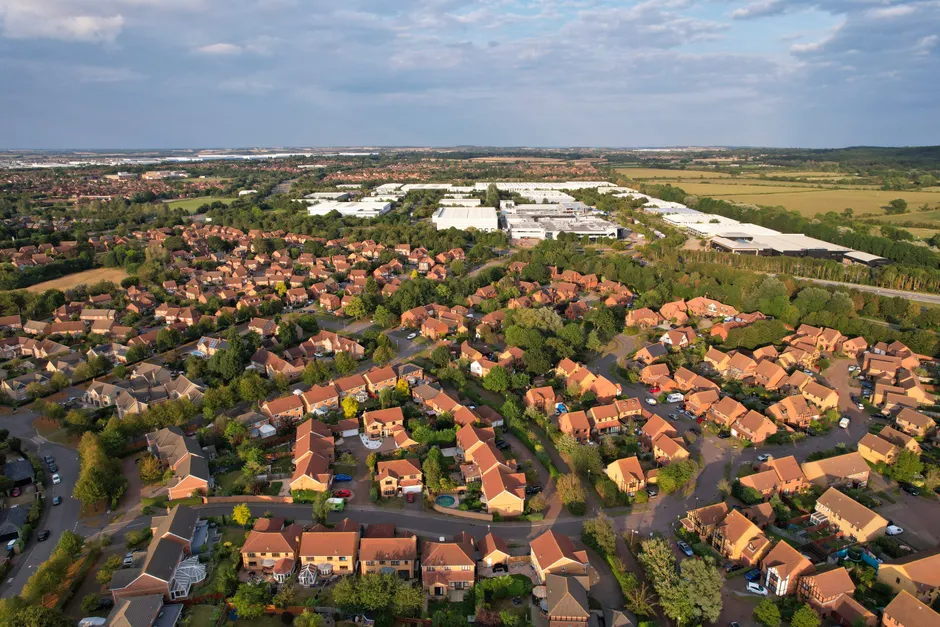
More than half of affordable homes built in England's most rural areas sit on small developments of 10–49 houses — the precise tier the UK government is now considering exempting from Section 106 affordable housing obligations, according to National Housing Federation analysis published by The Guardian on 6 July 2026. Ministers are expected to decide within weeks whether housebuilders in that size bracket should be allowed to pay cash to local councils instead of building affordable units on-site.
Section 106 agreements are planning obligations negotiated between local authorities and developers. They require developers to deliver a share of affordable housing as a condition of getting planning permission. In 2024–25, Section 106 delivered 36% of all affordable homes across England. If the government removes this requirement from mid-sized rural developments, the National Housing Federation projects a loss of 32,000 affordable homes over the next decade. That is not a small figure — it is a fundamental gap in the only delivery mechanism that reliably reaches villages and market towns where other sources of affordable housing rarely operate.
What the Proposal Actually Does
The government's proposal would allow developers of 10–49 unit schemes to skip mandatory on-site affordable housing and instead pay councils cash contributions. The reasoning is standard in housing policy: reduce barriers for smaller housebuilders, speed up planning approvals, and let councils spend the proceeds on affordable housing elsewhere. The National Housing Federation has stated explicitly that in practice, replacing on-site delivery with cash contributions rarely results in new affordable homes — the money tends to be absorbed into general council budgets under competing pressures, or used to subsidise schemes that were already going to be built anyway.
Historical data supports this worry. In 2019/20, 54% of affordable housing completions by housing associations — some 21,456 homes — came from Section 106 agreements. The sector's structural reliance on Section 106 for dispersed, smaller-scale delivery has remained largely unchanged since then.
The broader pattern here is what makes this more than a technical tweak. This is not merely a shift in how developments are regulated — it is a decision about where affordable housing supply will or will not be built.
The Rural Dimension
Affordable housing debates typically focus on cities, but the National Housing Federation's data reframes where the impact would be felt most acutely. Rural England has no alternative pipeline. Build-to-rent developments do not reach small market towns. Housing associations that receive government grants concentrate on urban regeneration projects. Rural exception sites — a separate planning route for small affordable developments on the edge of villages — are slow and limited in scale. For a farmworker, a teacher, or a local resident trying to stay in their village, the 10–49 unit development on the edge of a market town is often the only realistic path to affordable housing.
The timing adds another layer of complication. UK government ministers have been instructed to avoid major policy announcements while leadership transitions take place, leaving the Section 106 decision suspended. The Ministry of Housing, Communities and Local Government confirmed on 6 July that "no decisions have been taken on the future of section 106 agreements" — a statement that technically keeps both the exemption and the status quo in play.
A Broader Direction of Travel
This decision does not exist in isolation. In London, the government and Mayor Sadiq Khan have already reduced the affordable housing threshold that triggers faster planning approvals. That shift signals an appetite for flexibility around affordable housing requirements — a direction that housing associations and campaign groups are watching carefully as a guide to where national policy may head.
Kate Henderson, chief executive of the National Housing Federation, has been direct: substituting cash for on-site affordable units in mid-sized schemes will erode rural provision. Her organisation argues that the 10–49 threshold is not an arbitrary line — it maps precisely onto the development geography of where rural homes actually get built.
Where this lands is genuinely uncertain. The government wants more homes delivered faster. Developers argue that Section 106 obligations on smaller schemes cut margins to the point of making otherwise viable sites unprofitable. The National Housing Federation argues that the solution is worse than the problem — that addressing a housing shortage by removing the mechanism that delivers a third of affordable supply will create a different crisis. When ministers decide, they will have to choose a position somewhere in that triangle. What the rural data makes clear is that the costs will not be distributed evenly no matter where they land.


