Shelly Presence Gen4 Brings Radar Room Sensing to Smart Homes
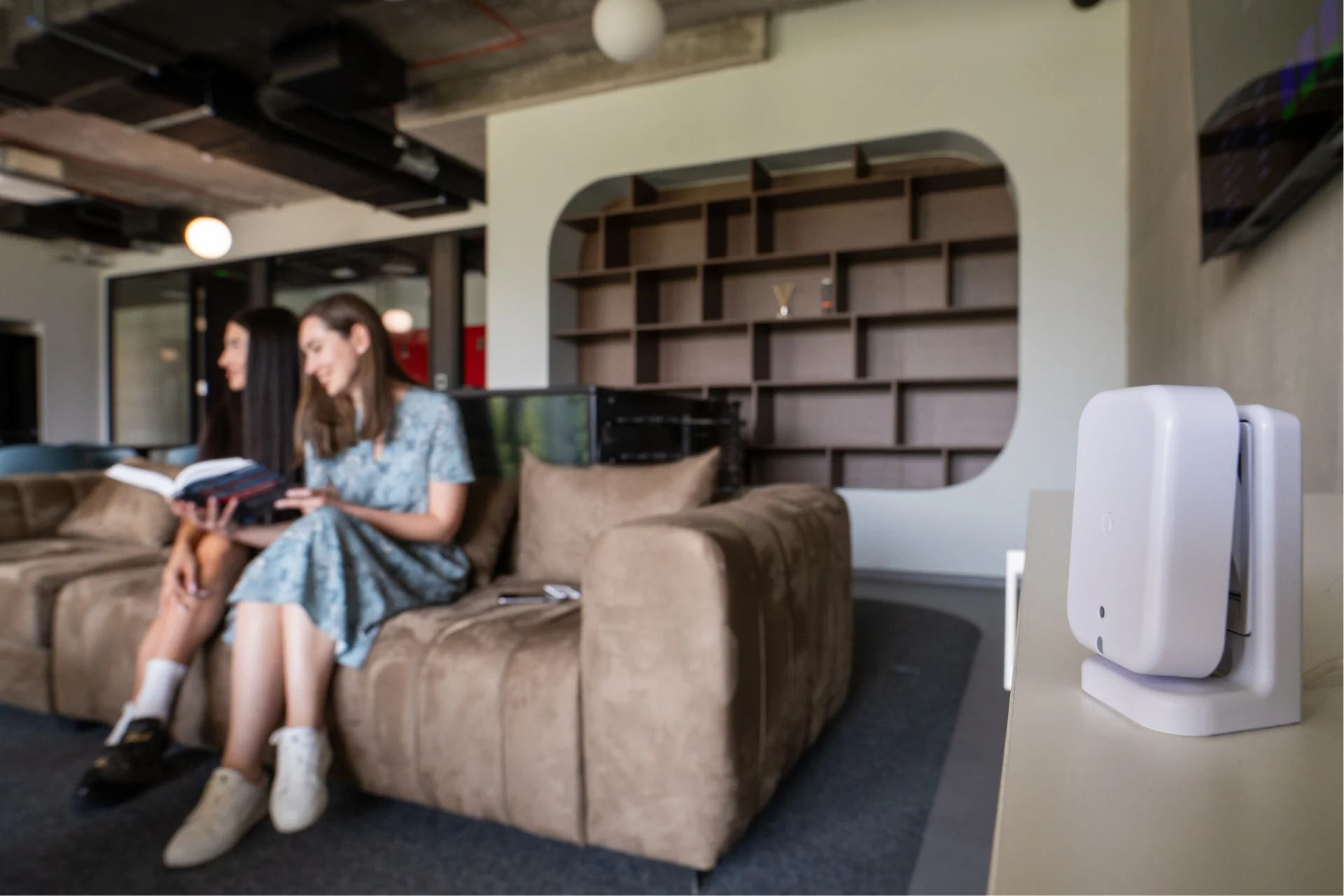
Shelly has announced the Presence Gen4, a smart home automation sensor priced at $84.99 through Shelly's online store. The Verge The device has launched in North America. IoT For All
The sensor uses mmWave radar, a form of short-range radio sensing, instead of a camera to detect presence, motion and activity for people and pets. It can track up to 10 people moving through rooms without recording them. For anyone used to PIR sensors, which trigger on heat and movement, and camera-based vision, the difference is practical. Radar reports range, movement and very small movements without capturing images.
Coverage is rated at up to 650 square feet with a 140-degree horizontal field of view, or the width of what it can see at once. Inside that area, it supports up to 10 detection zones that can each be set up separately. That means one hallway, open-plan living area or small office can be split for different automations, instead of treating occupancy as a simple yes-or-no signal.
The unit can sit on a shelf or table on its built-in stand or mount to a wall. It needs wired power through a USB-C cable. Shelly lists white and black versions.
For connectivity, the Presence Gen4 supports Wi-Fi, Bluetooth, Zigbee and Matter. It is Matter-certified. Shelly on Facebook It works with Google Home, Apple Home, Amazon Alexa, Samsung SmartThings and Home Assistant. Together, those options cover direct internet setup, mesh networking and common automation systems without locking buyers to one ecosystem.
Shelly states the sensor finds people even when they are sitting still, with presence detection that does not need movement, cameras or constant motion. Shelly That fixes the familiar failure of motion-only control, where lights switch off on a stationary reader or office worker.
The broader context here is reliability of occupancy as an input for automation. Motion sensing is cheap but often triggers at the wrong time. Camera vision is detailed but brings privacy concerns and extra processing. Radar sits between the two, giving steady presence, a count of people and location by zone with no recognizable image. In my view, that tradeoff will matter more for home adoption than range or person count, especially in bedrooms, bathrooms and home offices where cameras are unwelcome.
Looking at what this means for real installations, two limits stand out. Wired USB-C power allows continuous operation and support for several radios at once, but it restricts placement compared with battery PIR sensors that can be placed anywhere. On the other hand, 10 zones from one powered location could replace several separate sensors and cut maintenance. For Matter and Zigbee homes, the ability to share zone-level presence with existing routines in Home Assistant, Apple Home or Alexa should reduce setup effort and make detailed automations, from per-zone climate control to pet-aware lighting, easier to keep running.