Apple and Nvidia Each Gave $25 Million to the White House Ballroom Project
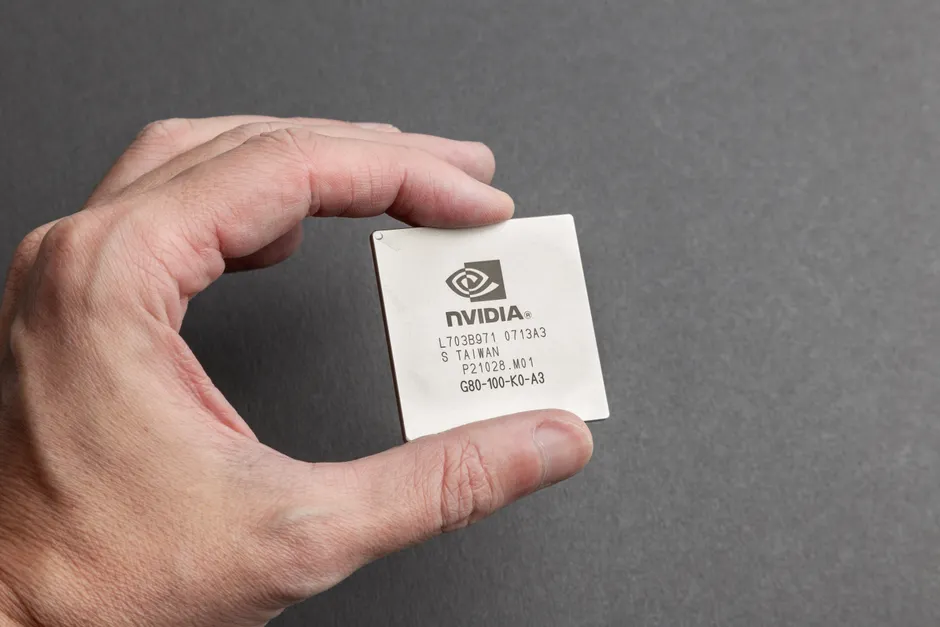
Nvidia and Apple each gave $25 million to the White House ballroom project. They are the two largest donors named so far in a privately paid building effort that has now reached about $330 million in promised gifts.
The figures come from confidential documents reported by The Washington Post on Oct. 15, 2026, which published a donor-by-donor list with totals. The Washington Post Reuters, summarizing the same reporting, put the total for private donations at $333 million. Reuters
Silicon Valley and the crypto industry account for more than $150 million of that total. The Verge In plain terms, that means large tech companies and digital-asset firms supplied close to half the money.
Google gave $22 million as part of a settlement reached in 2025. The Verge That payment was structured differently from a direct company donation. Across the project, money arrived through three routes: from individuals, from charities linked to large companies or industry players, and directly from companies.
Other technology and communications donors include Comcast at $7.5 million, Amazon at $5 million, Meta at $5 million, Cisco Systems at $5 million, and Coinbase at $5 million. Amazon, Comcast, Microsoft and T-Mobile were all described as among the top donors in the Post reporting. Caterpillar also gave $5 million, as did BlackRock. Small Business Administration head Kelly Loeffler and her husband gave $5 million.
Donald Trump was not listed as a donor in the published list.
The project started as a smaller plan. In July 2025, the White House said President Trump and other patriot donors had committed to pay for a ballroom costing about $200 million. White House A later White House description put the cost of the structure at about $250 million. In October 2025, the White House called it a “grand, privately funded ballroom.” White House
As background, an earlier report in June counted 27 donors and said ballroom donors had won $50 billion in contracts after giving. The Washington Post That contract figure is separate from the October donor-list disclosure and has not been updated in the newer documents.
The broader context here will be familiar to readers who follow Washington and the tech industry. Large contractors and regulated platforms have long used a mix of direct company gifts, executive gifts, and linked charities to keep access across administrations. The difference here is scale and speed. A $200 million idea described in 2025 became a $330 million commitment list in 2026, with chipmakers, cloud providers, phone carriers, and crypto firms providing close to half.
In my view, technology workers should treat this less as a building story and more as useful context on the policy climate. When infrastructure sellers, cloud providers, and AI hardware suppliers appear on the same donor list, questions follow about federal buying, spectrum rules, antitrust action, and AI regulation. A donor list does not decide any of those issues. Over time, clear public records about who paid for what help engineers, buyers, and policymakers judge those decisions on the facts, and this disclosure gives them more to work with than before.


