Intero Biosystems Wins Startup Battlefield 2026 With Lab-Grown Gut Model

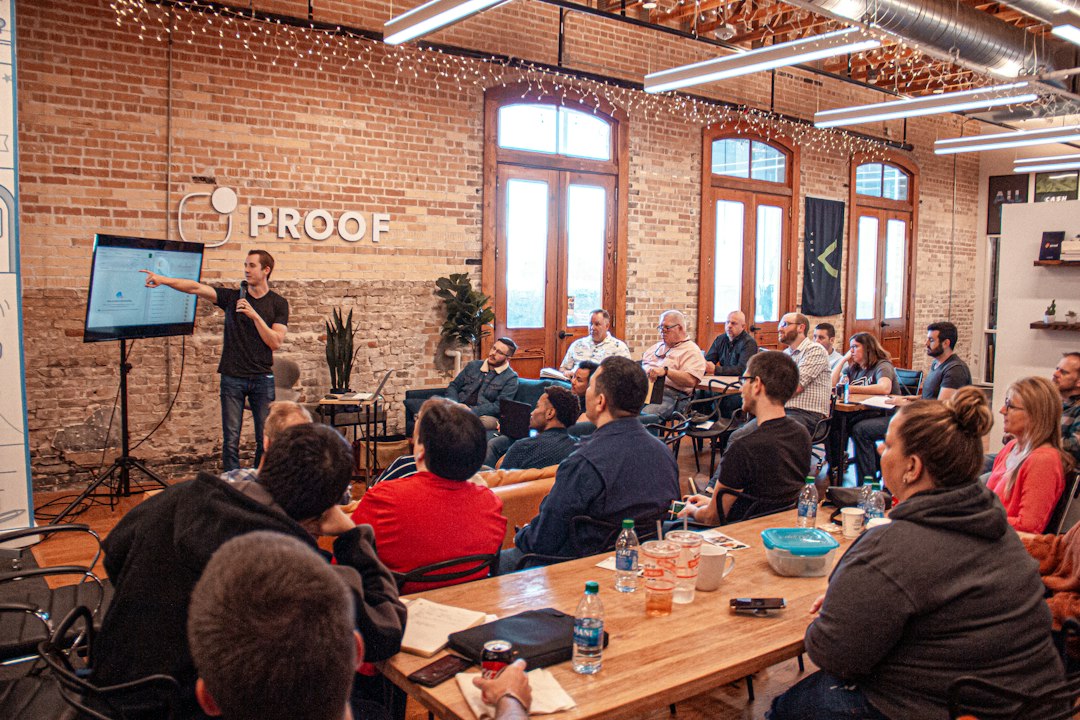
Intero Biosystems won Startup Battlefield 2026 at TechCrunch Disrupt 2026 in San Francisco. The result was announced Oct. 15, the closing day of the conference. TechCrunch
Twenty startups competed in this year's Battlefield. They were chosen from the Startup Battlefield 200 and pitched for the Startup Battlefield Cup and $100,000. The prize is equity-free, meaning the winner keeps full ownership.
The final round narrowed the field to five companies: Apate, Flox Intelligence, Intero Biosystems, Industrial Next and Satlyt. The final judges were Alexa von Tobel of Inspired Capital, Chi-Hua Chien of Goodwater Capital, Dayna Grayson of Construct Capital, Karl Alomar of M13 and Stacy Brown-Philpot of Cherryrock Capital.
Intero Biosystems was founded by Charlie Childs and Madeline Eiken. The company is based in Denver and spun out of the University of Michigan. It grows 1mm human intestinal organoids, small clusters of lab-grown gut tissue that act much like a real intestine, to study how drugs and other compounds behave before human testing. It sells that system as GastroScreen to pharmaceutical, biotech, food and chemical companies. The process will feel familiar to lab users. Grow the tissue, run repeated tests, measure the results, and use the gut as the focus.
Apate finished as runner-up. Apate was founded by Dali Kaafar and deploys AI agents that pose as victims to bait fraudsters and gather fraud intelligence.
The event followed the established Disrupt pattern. All 200 startups selected for Startup Battlefield 2026 exhibited at Disrupt. Twenty pitched on the Main Stage. Thousands of startups applied for the Battlefield 200. TechCrunch published the 200 list on Aug. 20, the Top 20 overview on Oct. 13, and a finals preview on Oct. 14. The champion was scheduled to be crowned at 4:15 p.m. Disrupt 2026 took place Oct. 13 to 15 at Moscone West in San Francisco. Intero had announced its own selection to the Battlefield in a LinkedIn post published Sept. 15. TechCrunch
The broader context here is useful because the top two point in different directions. One company grows millimeter-scale gut tissue for testing before human trials. The other builds software decoys to pull information from fraud networks. Both become useful only with automation, large volumes and reliable data.
In my view, Battlefield juries often favor startups where hard technical work creates a defense against competitors, and Intero fits that description. Growing gut tissue at consistent quality at 1mm scale, with repeatable test results that paying customers can trust, is difficult to run as a business. The customer list also deserves a closer look. Selling a gut model to pharma and biotech firms for drug screening is one sales process. Selling to food and chemical firms for testing other compounds is a different one, with separate rules, sales cycles and testing standards.
The longer arc here is encouraging. Tools that let researchers test more compounds on tissue that acts like human tissue do not remove clinical risk. They can shorten the testing cycle and catch some failures earlier. My children grew up when app stores and cloud services made updating software almost instant. Biology never had that speed. Organoid platforms do not change that completely, but they move biology a step in that direction, which is why business buyers are paying attention even while the science is still developing.