Cloned number plates reach record high on UK roads
More than 11,400 drivers contacted the DVLA last year after receiving fines for offences they said they did not recognise or accept responsibility for, as reports of cloned vehicles involved in offences on British roads reached a record high.
Most of those cases are believed to involve cloning, where a number plate is copied fraudulently onto a similar vehicle to avoid enforcement cameras. Analysis by the RAC of data obtained under freedom of information requests found complaints about misattribution were 9% higher than in 2024 and almost double the figure recorded in 2018. The Guardian
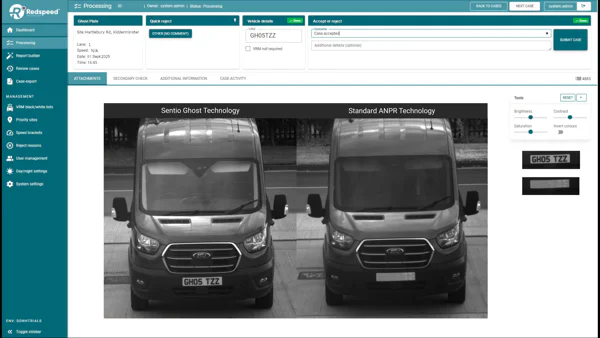
Drivers are required to provide number plate suppliers with the V5C vehicle logbook and proof of identity. An investigation uncovered more than 130 official suppliers willing to sell cloned plates. The UK has 18,000 automatic number plate recognition (ANPR) cameras. Ghost plates are designed to be unreadable by those cameras.
The RAC said the UK needs to overhaul its outdated and poorly regulated number plate system. Simon Williams is head of policy at the RAC.
The UK government announced a new nationwide crackdown on illegal number plates, with Department for Transport funding for a new roads policing team. A new National Roads Policing Coordination Centre will share intelligence and trial new technology such as specialised goggles to detect number plates designed to be unreadable by cameras. Drivers using an incorrectly displayed number plate in the UK can be fined up to £1,000.
An earlier cross-party inquiry into plates by the All-Party Parliamentary Group for Transport Safety found as many as one in 15 vehicles may carry modified, non-compliant plates. Criminals use ANPR-evasive plates to facilitate offences including drug dealing and people smuggling, according to evidence cited in that inquiry. RAC Media Centre National Trading Standards told the inquiry that ghost plates pose a serious threat to counter-terrorism operations.


