Ninja Labs' $58 Stretchy Pouch Sits Between a Wallet and a Bag
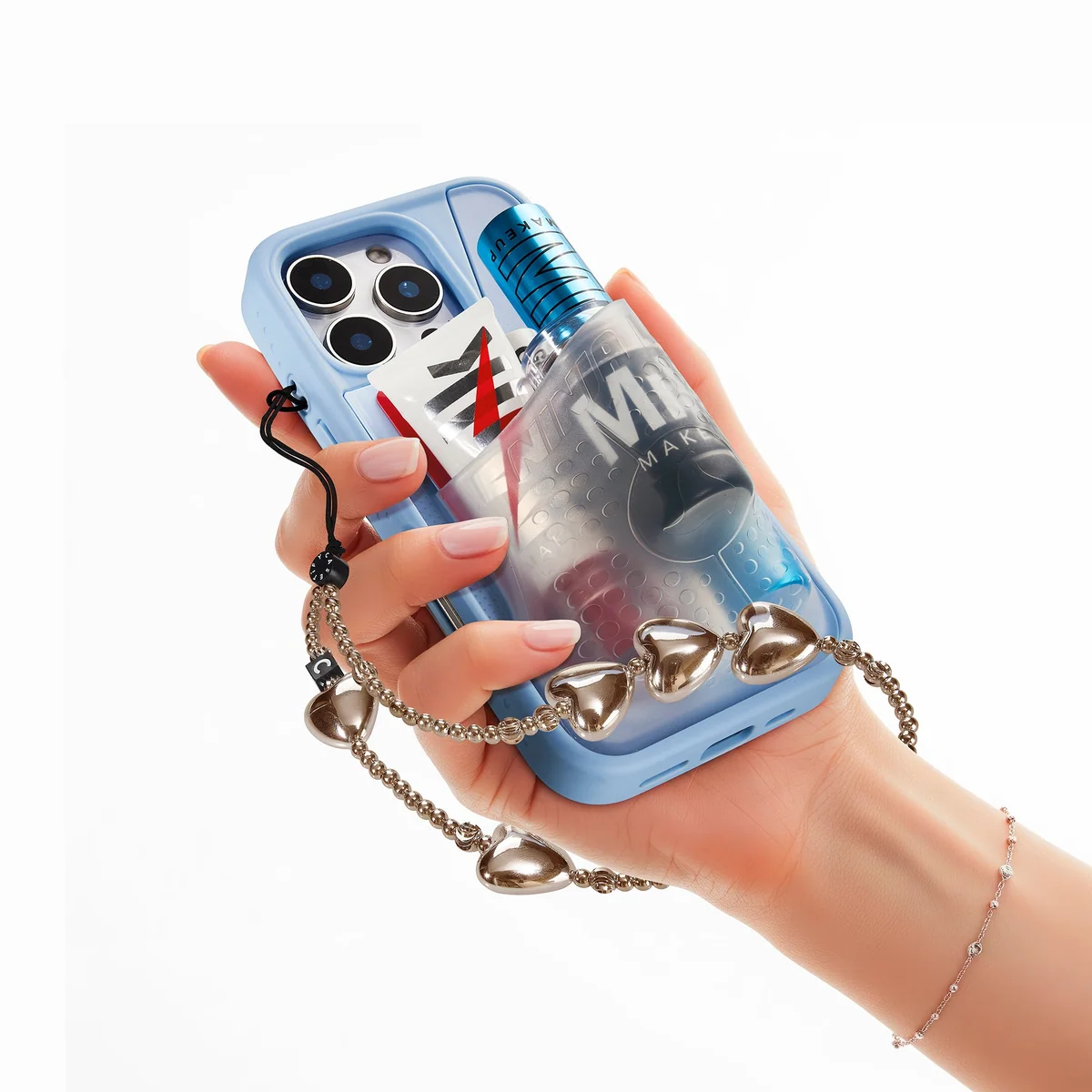
Ninja Labs is selling a $58 magnetic silicone pouch called the MagSafe Flex Pouch that snaps onto MagSafe-compatible phones and cases and works as an expandable wallet. It attaches when needed and detaches when the user wants the phone alone The Verge.
The pouch is made of extremely stretchy silicone. Ninja Labs says the silicone blend stretches to accept contents and then shrinks to keep them tight, a behavior it describes on its site as staying tight like a kangaroo pouch Ninja Labs. The company positions the line as MagSafe card holders with expandable storage Ninja Labs.
That elasticity is the core mechanical idea. A rigid wallet holds a fixed stack. This pouch deforms around contents and then recovers. It stays flat when empty and swells for thicker objects, with no zippers, flaps or rigid shells. MagSafe is the system of built-in magnets that align and hold accessories on phones and cases.
Ninja Labs lists the pouch in translucent silicone, opaque black, pink, blue and lavender, plus a rainbow sparkly finish option. The collection page prices the Lavender/Clear MagSafe Flex Pouch variant at $58.00. The company also offers a Flex Pouch model for iPhone 17, with its official product page at ninjalabs.com/products/magsafe-flex-pouch and its storefront at ninjalabs.com.
Capacity is pitched broadly. Ninja Labs suggests the pouch can hold credit cards, car key fobs, wireless earbuds, lip balm, gum, snacks, makeup, loose change or cash. The stated use case is for people who want to store more than three credit cards in their iPhone case wallet, with festivals, concerts and travel named as intended settings.
The company displays an overall customer rating of 4.8 out of 5 from 791 reviews on its website. The pouch snaps onto MagSafe-compatible phones and cases, and it is detachable for times when the user wants the phone alone.
The broader context here is modular carry. Phone-attached storage has settled into two camps, slim card sleeves for ID and two cards, and bulkier pocket organizers that replace a bag. A stretchable layer between them keeps small, high-churn objects coupled to the device users already track most closely, while preserving the option to strip the phone back to bare glass and aluminum.
In my view, the tradeoffs worth weighing are retention, bulk and access latency. Magnetic coupling is convenient because it releases cleanly, which also means sliding and pulling forces matter more than for an integrated case wallet. Silicone helps by adding friction and conforming to load, but it adds thickness at contact and collects pocket lint. Convenience wins when the load is light and temporary. A dedicated bag still wins for sustained carry.
Looking at what this enables, the interesting shift is not capacity alone. It is decoupling storage volume from phone form factor. A fixed wallet forces a choice of thinness or utility at purchase. An elastic, removable pouch lets that choice vary by hour, with concert, commute or trail run each using the same base device. That flexibility, in washable elastomer rather than leather or woven textile, fits how phones are used as carry hubs. If the magnet holds and the silicone recovers over cycles, the pouch becomes less an accessory and more a variable pocket.