Method Man Hears the One-Copy Wu-Tang Album for the First Time
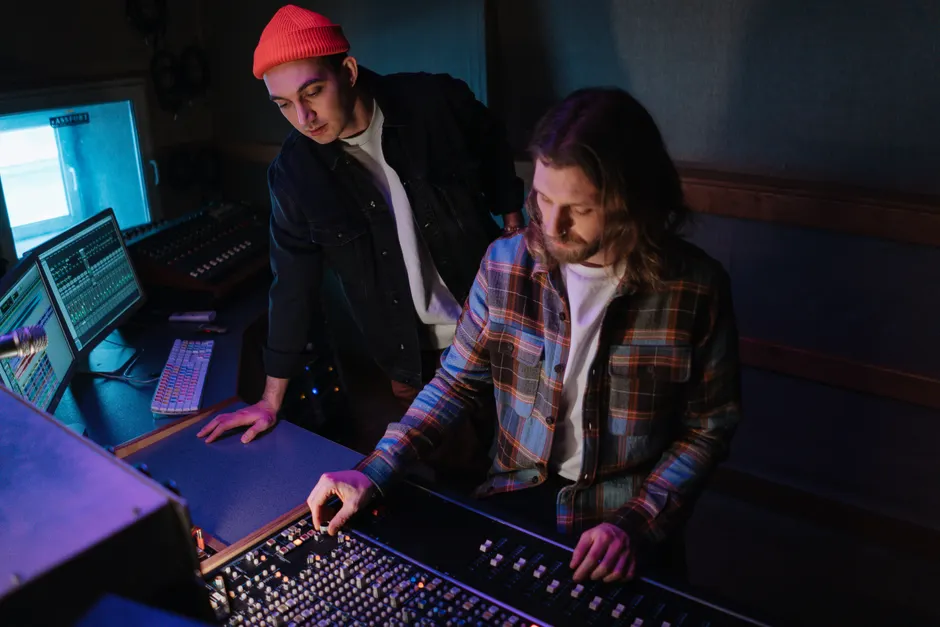
Method Man heard Wu-Tang Clan's Once Upon A Time in Shaolin for the first time on an episode of Pablo Torre Finds Out released on October 16, 2026. Rolling Stone The show organized the session as a listening party with PleasrDAO, and he had not heard the album before that day. The Verge His response was brief: "I do not hate this album."
The episode shared two excerpts centered on Method Man. Rolling Stone They appear at 32:30 and 39:02 in the episode. The Verge The general public has still not heard the album in full. Rolling Stone The official YouTube upload is titled "Playing Wu-Tang's “Once Upon a Time in Shaolin” for Method Man — and You | PTFO" and was published on October 16, 2026. It was partial access by design, not a leak. Two timestamped excerpts were released and the rest was left unplayed.
Only one copy of the album exists. Martin Shkreli bought that copy at auction in 2015. He later forfeited it to the U.S. government, which sold it in 2021 to PleasrDAO, a crypto art collective that jointly owns digital art. The Verge It cannot be commercially released, meaning sold in stores or on streaming, until 2103. The Verge
As a record, the album is Wu-Tang Clan's seventh group album, a double album with 31 tracks. Complex The episode documents a first listen. It does not try to judge 31 tracks from two fragments.
The broader context here will be familiar to anyone who follows access control, the system of permissions that sets who can open or copy a file. Custody of this album has moved from buyer to government to collective owner, while playback rights stayed tightly limited. The podcast fit inside that narrow space. It allowed temporary, supervised listening and shared selected audio without handing out the full file, much like a reading room where a rare book can be viewed but not taken home.
Looking at what this means for distribution, the episode works as a controlled window into a closed archive. Podcasts and video give timestamped and attributable playback that is easy to clip and cite. That helps with provenance, the clear record of what was played, when, and in front of whom. For readers who know audit logs, or automatic records of permissioned access, the parallel is direct.
In my view, there is also a quieter point about preservation. A work that cannot be sold for more than seven decades can become an abstraction, something people talk about but never hear. These supervised excerpts do not change the legal status. They do keep the album legible as sound rather than contract language, with attention back on performance and production.
Worth flagging here is how little of this relied on new tools. The ownership involves a crypto collective, but the public part was conventional. A studio microphone, a host, a guest, a video upload. Scarcity is enforced through ownership of the sole copy and the 2103 restriction. Distribution is ordinary podcast publishing. That combination is why the event travels well to both technologists and music fans, and why more supervised listens of this kind remain possible.