Iran's New Leader Emerges Unseen as Khamenei Is Laid to Rest
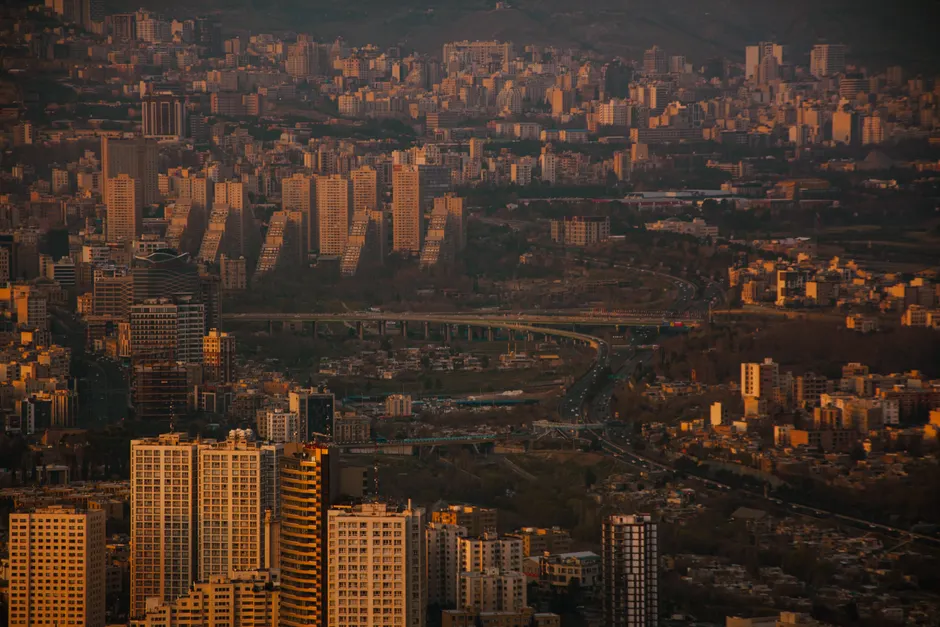
Iran buried Ayatollah Ali Khamenei on Thursday, concluding a week of funeral processions through Tehran that drew what BBC correspondent Lyse Doucet, granted rare access, called the interment of "the last of the first-generation founders of its 1979 revolution" BBC. The BBC's coverage carried an unusual restriction: none of Doucet's reporting may air on the corporation's Persian Service.
Khamenei was killed on February 28 in the opening strike of a U.S.-Israeli air campaign, ending his 37-year tenure as Supreme Leader. Iran's state news agency IRNA called him "martyred in a US-Israeli attack" and declared 40 days of public mourning alongside seven days of national holiday IRNA. The war that followed killed more than 3,000 people, among them much of Iran's senior political and military establishment Reuters. Islamic burial practice requires internment within a day of death; Khamenei's was delayed for months due to the ongoing conflict Reuters.
His body lay in state for three days at the Grand Musalla mosque compound alongside remains of family members also killed in the strikes BBC. State media labeled the proceedings the "event of the century," and organisers embedded 400 social media influencers into the crowds—a detail that reveals how the Islamic Republic wanted this moment shaped for public consumption, a calculated layer beneath the funeral's stated gravity.
The succession is now formal. Mojtaba Khamenei, 56, is Iran's third Supreme Leader. He has not appeared publicly since the strikes that killed his father and severely injured him, according to the BBC. Three of his brothers stood at the Grand Musalla as their father lay in state; Mojtaba's absence was conspicuous by its contrast. Iranian officials attributed it to ongoing Israeli threats.
Whether that explanation is complete raises a different kind of question. A leader unseen cannot easily project the authority the office traditionally carries, and the symbolism of a Supreme Leader inaugurated while absent—while three siblings stand in public view at their father's funeral—will resonate within Iran's clerical establishment as much as outside it. Supreme Leader succession in the Islamic Republic has never been simply hereditary; Mojtaba faced clerical opposition to his elevation before the war, and an invisible leader complicates that contest rather than settling it.
Enqelab Square, dominated by a massive statue called the "fist of defiance," served as the funeral's symbolic center—the regime's staging ground for imagery of resistance. Its weight was carrying meaning this week, standing in for a leadership that is, in its most visible new figure, physically absent.
Beneath the ceremony, competing signals about Iran's future emerged. Mourners called for vengeance against Washington with specific language. One man told the BBC that "soon, very soon you will see signs of revenge at the top of the White House, and soon the colour of the White House will be the colour of my red flag." Reuters reported that calls for vengeance against Donald Trump were a consistent feature of the procession Reuters.
Against that rhetoric sits a quieter undercurrent. The BBC reports that Iran's new leadership, emerging from "weeks of war," is now seeking to negotiate sanctions relief and access to frozen assets—the kind of diplomatic outreach that typically fractures once it meets a funeral crowd chanting for revenge. A government official told the BBC that some calls for vengeance are "ritualistic," performed for cameras and influencers, but that underlying anger among hardline factions genuinely opposes any accommodation with Washington.
That tension—a state simultaneously staging maximalist defiance while probing for sanctions relief—is not unfamiliar in Iranian statecraft, but it is unusually visible here, unfolding in the same week and often in the same crowd. Revolutionary legitimacy in Iran has rested on a narrative of resistance to American and Israeli power; the deaths of so many officials in February make that narrative more necessary, not less, for whoever now governs. A leadership that needs sanctions relief to function cannot also deliver the "signs of revenge" crowds were promised. Whether Mojtaba Khamenei—assuming he surfaces—can reconcile those imperatives, or whether the office increasingly speaks through intermediaries and Revolutionary Guard commanders while he remains unseen, will shape whether this funeral marked continuity or the beginning of a more fractured period for the Islamic Republic.


