A $19 Million Cocaine Bust in Liberia Reveals How Drug Networks Use Airports and Logistics Companies
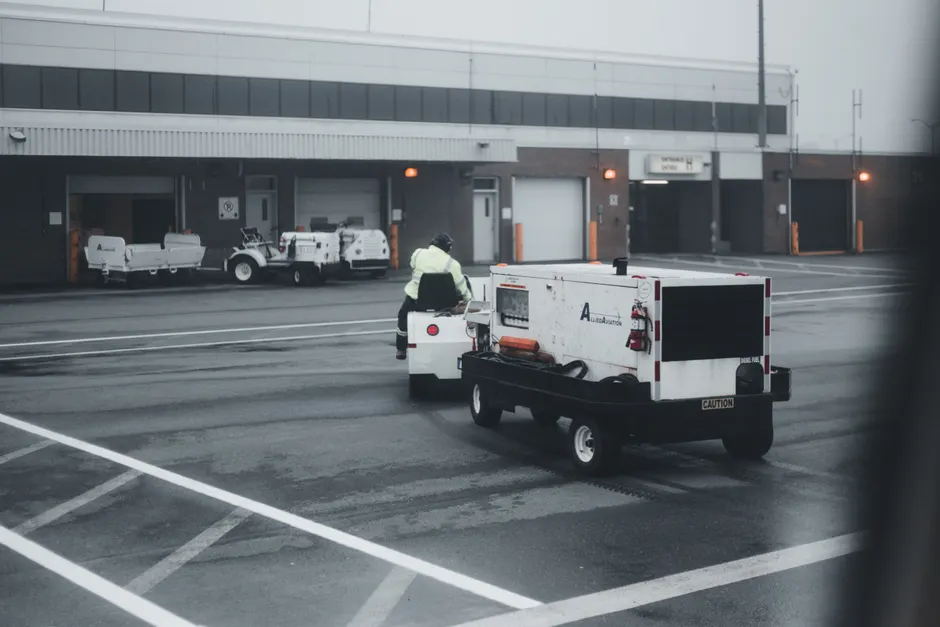
A $19 Million Cocaine Bust in Liberia Reveals How Drug Networks Use Airports and Logistics Companies
Liberian police have charged five people in connection with more than 200 kilograms of cocaine found at Roberts International Airport in Monrovia on June 8, 2026. The drugs were hidden inside cartons labeled as Maggi seasoning cubes. Police say the shipment weighed 237.6kg and was worth an estimated $19 million on the street The Guardian; OCCRP.
The five suspects were named publicly in early July — almost a month after the seizure. That long delay raised questions before anyone even knew who was being investigated. The Liberia Drug Enforcement Agency (LDEA) tested the substance and confirmed it was cocaine TLC Africa; LNTV Liberia.
Inspector General Gregory Coleman called this "a serious transnational cocaine trafficking operation using Liberia's aviation and logistics system as a channel for organised crime," according to The Guardian. Investigators connected the June shipment to a similar one in May 2026, Coleman said. This suggests the traffickers were using the same route repeatedly rather than just trying once to move drugs through the airport.
President Joseph Boakai ordered police and the drug agency to investigate together after the seizure. He stated that Liberia "will not be used as a safe haven, transit point, warehouse, financial centre or operational base by criminal networks engaged in narcotics trafficking." This language reflects a larger concern: not just that drugs moved through an airport, but whether the Liberian state can control what enters and leaves its borders.
The month-long gap between seizure and charges became controversial on its own. Coleman was called to a special senate hearing to explain the delay. People in Monrovia worried that the investigation was being deliberately slowed to protect powerful people connected to the case. At the hearing, Coleman revealed something significant: evidence that the logistics company handling the shipment may have been complicit — meaning the company staff may have known what they were moving. This shifted the focus from individual smugglers taking advantage of loose airport security to a formal business actively helping criminals.
One suspect identified as the logistics firm's operations manager is now in custody in Monrovia and is considered the central figure in the case. Police are seeking arrest warrants for the other four suspects through Interpol, the international police coordination organization. One suspect was reportedly at an event in China when the drugs were discovered and has not returned to Liberia. Police released a Dutch phone number and a UK address (in Birmingham) for another suspect, showing how scattered the network reaches — from West Africa to Europe and Asia, all connected to a single shipment through one airport.
Notably, one of the five charged had been arrested in a separate drug case in 2024 and was released from prison before this seizure. This detail will likely prompt uncomfortable questions in the Liberian senate and press: Did the earlier case actually deter him, or did it just pause his activities before he resumed?
The broader context here matters. In October 2022, authorities seized 520kg of cocaine at Monrovia's seaport, worth roughly $100 million — a case that drew similar attention to the country's port security gaps. The fact that traffickers are now testing the airport route suggests they are not relying on a single weak point in Liberia's transport system. Instead, they are adapting, moving their cocaine through different channels to see which ones work.
Liberia's location on West Africa's Atlantic coast has made it part of a known corridor for cocaine moving from South America to European markets. Guinea-Bissau and Cape Verde, neighboring countries, are also on this route. What makes this case noteworthy is the involvement of a licensed, formal logistics company — not just informal couriers or unlicensed operators. This kind of embedding within legitimate business networks is exactly what anti-narcotics officials across the region have said is hardest to catch with routine customs checks.
The involvement of Interpol signals that Liberian authorities see this as an international case that requires coordination with law enforcement in Europe and Asia. How vigorously Liberia pursues this cooperation, and what information the operations manager provides from custody, will determine whether the case ends with these five prosecutions or whether it unravels into a bigger investigation of the entire supply chain that moved cocaine through the country.


