Samsung's Profit Jumps 19-Fold. Here's Why the Stock Fell Anyway.
Samsung's Profit Jumps 19-Fold. Here's Why the Stock Fell Anyway.
Samsung Electronics reported preliminary second-quarter 2026 operating profit of 89.4 trillion won (roughly $58.4 billion) on July 7, according to guidance released to investors. That's a 19-fold increase from Q2 2025 — and it beat what analysts had forecast. The company's shares fell on the news anyway, with investors pulling more than $80 billion from Samsung's market value Reuters.
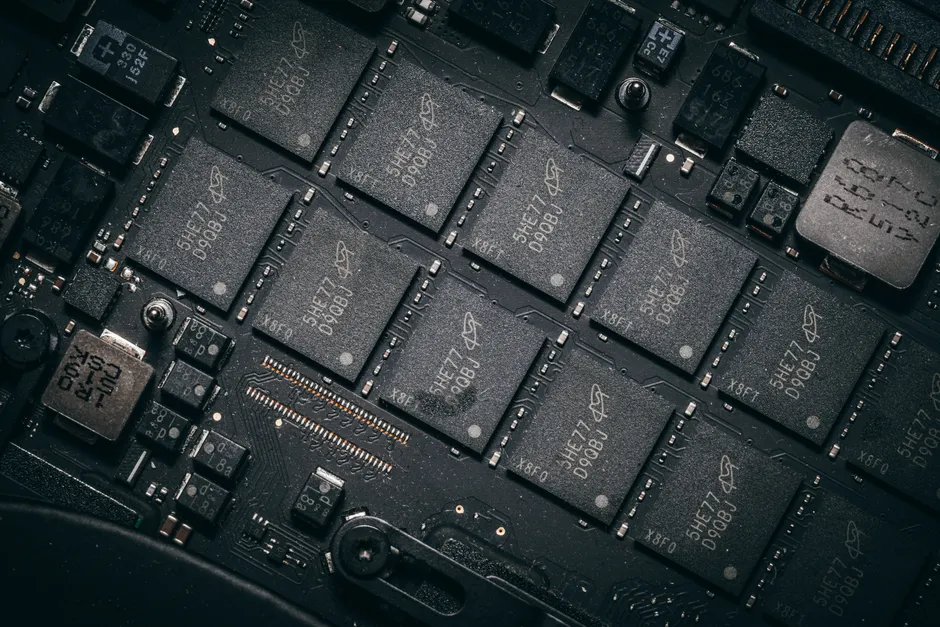
To grasp what happened, sit with the scale of that number. Reuters notes that Q2's operating profit alone — one quarter — exceeded Samsung's entire operating profit over the prior three years combined. That three-year window included 2023's memory chip downturn and the slow recovery after. The driver has been demand for memory chips tied to artificial intelligence: DRAM and NAND chips (types of computer memory used in data centers training and running AI systems). Prices for these chips have climbed through 2026, and Samsung's semiconductor division — called Device Solutions — is now the company's main profit engine again Reuters.
Samsung reported in Q1 2026 that overall revenue hit an all-time high of 133.9 trillion won, up 43% from the prior quarter. The Device Solutions division brought in 81.7 trillion won of that revenue and generated 53.7 trillion won in operating profit Samsung Newsroom. If those proportions held into Q2, the memory business would have done the bulk of the work behind the 89.4 trillion won figure — though Samsung's guidance didn't break out divisional detail. Full results and a clearer picture come later this month Samsung Newsroom.
Now, why did the stock drop when the profit news beat expectations?
Markets don't always react to good news by going up. They react to the gap between what people expected and what actually happened. Think of it like this: if everyone already believed Samsung would post a stellar quarter, then beating that expectation by a smaller margin than feared might still feel like disappointment. Samsung's rally over the past few quarters has been steep enough that a 19-fold profit increase — enormous in isolation — may have already been priced into the stock. The $80 billion market-cap loss likely reflects some combination of investors taking profits after a strong run, concern about whether AI-driven memory prices can hold at these levels, or repositioning before more detailed results arrive.
The real test comes on July 30, when Samsung holds its earnings conference call at 10:00 a.m. Korea Standard Time. That's where investors and analysts get to see the breakdown by business division, ask management questions about capital spending plans, and hear guidance on memory chip pricing for the rest of 2026. Guidance releases hand out a top-line number; conference calls are where the scrutiny happens Samsung IR.
The core question hanging over this story is whether the memory cycle will last.
Pricing on DRAM and NAND chips has clearly improved, driven by AI infrastructure buildout at major tech companies. Whether that demand stays strong enough through 2027 to keep profits at record levels is a forecast that calls for healthy skepticism. Memory chips are a cyclical, capital-intensive business — when prices rise, chipmakers build new factories. That's the normal pattern. Once new capacity comes online, prices typically fall. Samsung, SK Hynix, and Micron are all running near full capacity on their most advanced chips for AI right now, and that's one reason pricing remains strong. But capacity additions take time to arrive, so there's a lag between when production fills up and when new supply actually hits the market.
For ordinary savers and investors watching from the outside, the real signal here isn't about Samsung stock itself. It's about the health of AI infrastructure spending more broadly. Samsung's memory shipments go into the same data centers and servers as Nvidia's graphics processing units — the chips that power AI training and deployment. A profit trajectory this steep, held across three quarters running, tells us that spending by major tech companies on AI infrastructure had not slowed as of mid-2026. Whether that spending pace can itself sustain is a much larger question than anything in Samsung's guidance — and the July 30 conference call is unlikely to answer it on its own.


