Robot Vacuum Fire in Perth Raises Questions About Lithium-Ion Safety in Home Appliances

A 25-year-old Perth man remains in critical condition with burns covering roughly 75% of his body after a robotic vacuum cleaner malfunctioned and ignited his home on Thursday, 2 July 2026. Fire investigators have confirmed this is the first reported case of its kind in Western Australia The Guardian.
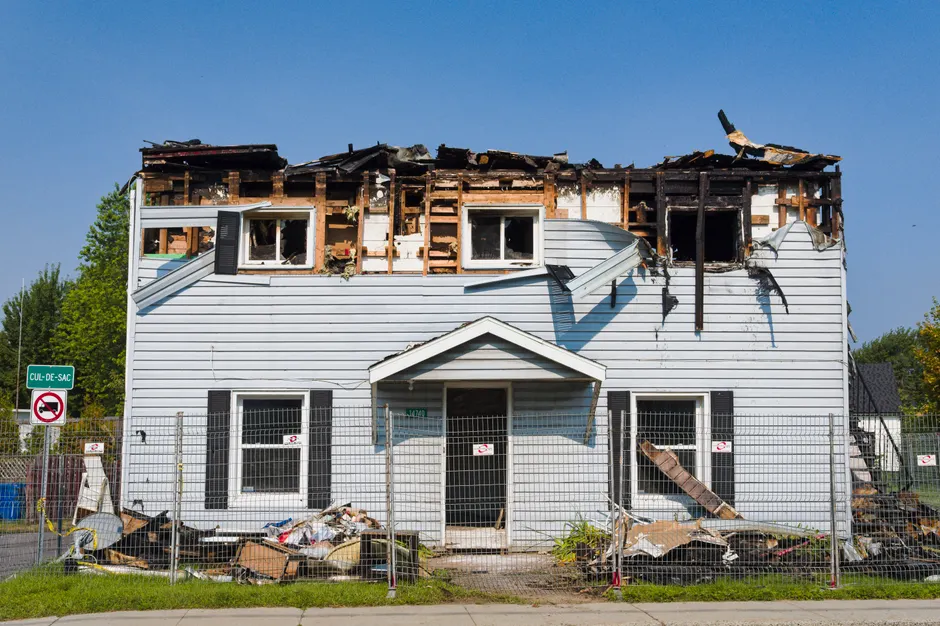
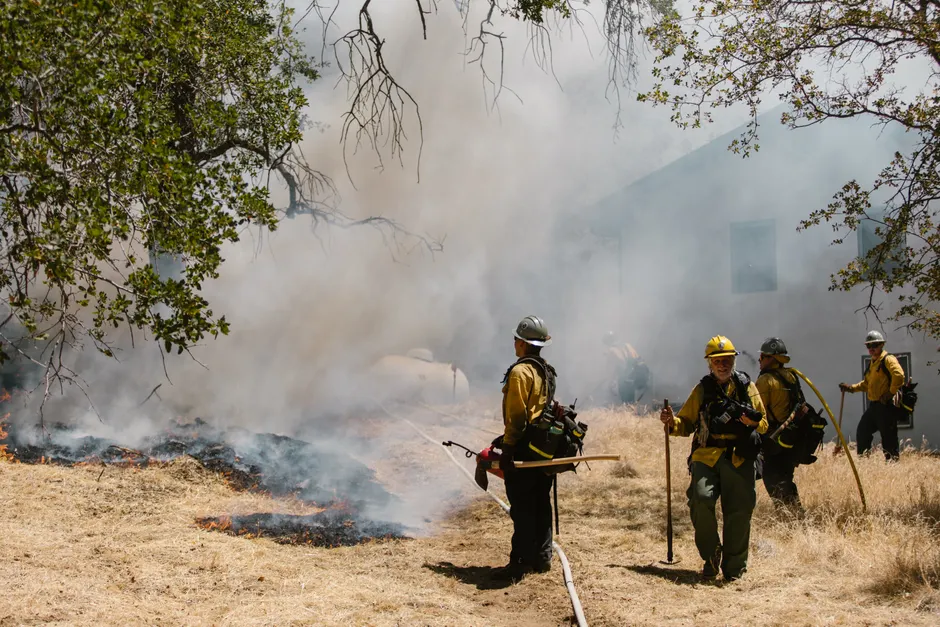
Lachie Perrem, a telecommunications technician who ran a mental-health awareness initiative called The Tradie Vault, was in his Brabham kitchen when the device failed. Emergency services received a call at 5pm, and four fire trucks were dispatched to battle the blaze, taking more than two hours to fully extinguish it news.com.au. His mother, Fiona Perrem, confirmed her son's extensive burns. As of Tuesday evening, 7 July, he was being treated at the burns unit of Fiona Stanley Hospital, the state's specialist burns facility 7NEWS. A second woman required hospital treatment. Perrem's fiancée and housemates lost their home.
Investigators from the WA Department of Fire and Emergency Services have ruled the fire accidental, caused by a fault in the robotic vacuum. The device has been sent to the state's building and energy office, which will now determine whether the failure came from faulty wiring or the lithium-ion battery pack — a distinction that matters legally, because battery faults and electrical faults follow different product-safety and recall procedures.
Lithium-ion battery fires in consumer robotics have occurred before in e-bikes, e-scooters, and power tools, leading cities from New York to Victoria to regulate battery charging and certification standards. What distinguishes this incident is the product type. Robotic vacuums often sit docked and charging unattended for hours, including overnight or while residents are away — the exact conditions where a battery or electrical failure can escalate unchecked before anyone can stop it. The fire started in the kitchen, suggesting the vacuum may have been running rather than simply charging at its dock, though authorities have not released exact details of the sequence of events.
Once the building and energy office releases its findings, the implications will extend well beyond this single incident. If investigators confirm a lithium-ion cell defect, the question becomes whether this specific model is subject to a wider recall and whether Australian regulators should tighten safety testing standards for robotic vacuums as a category. If the fault traces instead to faulty wiring in the vacuum's electronics, the focus shifts to manufacturing quality control and carries different signals for the broader smart-home appliance sector. Either outcome will likely draw scrutiny from product-safety regulators and insurers across Australia and globally, given how common these devices have become in homes worldwide.
Fiona Perrem launched a GoFundMe campaign on Saturday, 4 July, to support her son's recovery and immediate family costs; by Tuesday evening it had raised more than $26,000. The fundraiser has become the primary public source of updates on Lachie's condition as his treatment continues.
The incident has attracted coverage across Perth's major news outlets and national platforms including 7NEWS and news.com.au — a reflection of both the human impact and the unusual nature of an established consumer product category producing its first major fire event of this kind in the state. For those following consumer-product safety and electronics liability, this case sits at an important intersection: a device marketed around convenience and automation, now under examination for a failure mode — whether thermal or electrical — that typically only surfaces after someone has suffered serious harm.