TP-Link Plans Mississippi Router Assembly to Meet FCC Import Rules
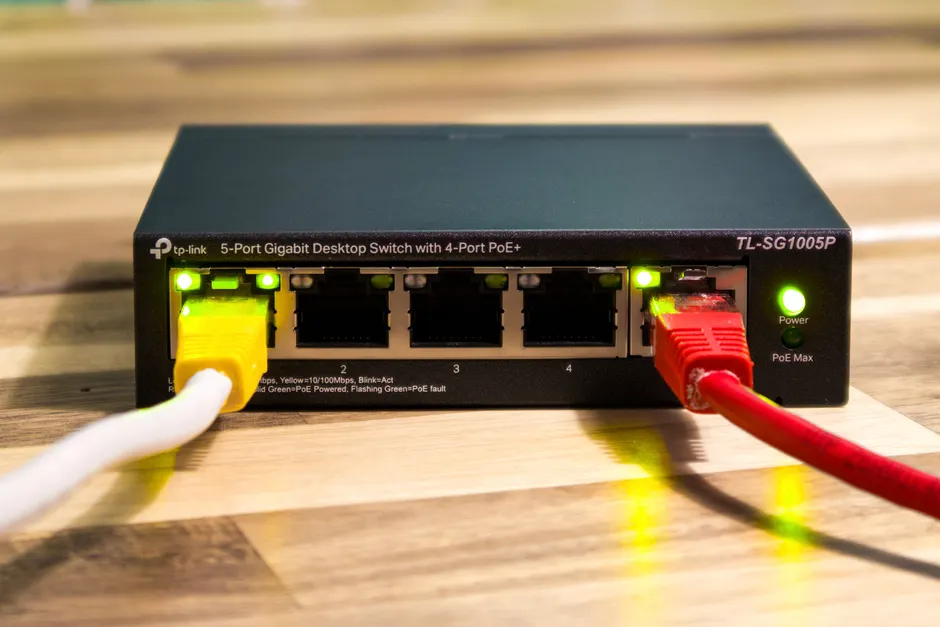
TP-Link Systems Inc. and Key Tronic have signed a letter of intent to bring router assembly to the United States. Engadget
Under that plan, US assembly could start on a Mississippi production line as early as 2027, pending regulatory approval. Engadget
Wi-Fi 8 routers are expected to be among the first TP-Link products assembled by Key Tronic in the US. Wi-Fi 8 is the next wireless standard after Wi-Fi 7, built for higher speed and more connected devices. That timing follows TP-Link's Archer 8, announced in October 2026 as its first Wi-Fi 8 router platform. Engadget
A letter of intent is closer to a reservation than a signed lease. It is not a final manufacturing agreement. The timeline is conditional, and production cannot start until approval is granted.
The driver is action by the Federal Communications Commission on foreign-produced routers. The FCC designated consumer routers made outside the US as a security risk and banned their import, while allowing retailers to sell units already on shelves. Engadget
The FCC's Covered List, its list of equipment subject to national-security restrictions, sets limits for current stock. The FCC stated that its Covered List update does not prohibit the import, sale, or use of existing device models it previously authorized. FCC
For new hardware, companies could apply for a waiver, a formal exemption from the ban, only if they planned to move at least some manufacturing to the US. Engadget
TP-Link is proposing to spend nearly $1 billion on U.S.-based manufacturing facilities. Broadband Breakfast The company presented the Key Tronic line as an initial assembly step within that larger plan.
Even with US assembly, TP-Link said it will still need to source router components from outside the US because many are not available from a domestic source. Engadget Final assembly, test and pack can move stateside while the upstream supply chain stays global.
The FCC published FAQs on recent updates to the FCC Covered List regarding routers produced in foreign countries, with the update issued on May 12, 2026. FCC
The broader context here is one networking engineers will recognize. Equipment authorization, import conditions and manufacturing location are now linked. Where a router is put together affects whether a new model can be imported and sold, not just its landed cost.
Looking at product planning, the link between waivers and domestic manufacturing changes the order. A vendor must show a credible US production plan before it gets relief for new foreign-built models. That puts factory capacity, line testing and FCC review in the critical path for launches.
In my view, the choice of Wi-Fi 8 for early US output is pragmatic. New platforms need new authorizations and production checks in any case. Qualifying a line under scrutiny on a next-generation product avoids doing the same work twice.
Worth flagging for enterprise and service-provider buyers is the split between existing authorized models and future models. Existing authorized models retain import, sale and use status. The constraint falls on what comes next. Buying plans that assume like-for-like refreshes of foreign-built units will need to track which models clear authorization and where they are built.
Stepping back from the headline numbers, the $1 billion proposal and Mississippi date are signals of direction, not fixed capacity. Paper plans and early dates often shift with sites, equipment delays, labor and the waiver process. What will count is qualified lines shipping authorized hardware.
In the long arc, there is reason for measured optimism. Final assembly near buyers can shorten shipping, simplify returns and allow faster fixes during early production. I have watched my own children ignore routers until a move forces an upgrade. The technology that succeeds disappears. A domestic option, if it reaches volume, helps keep it that way.


