AI Stocks Rebounded on October 19 After a Debt Scare

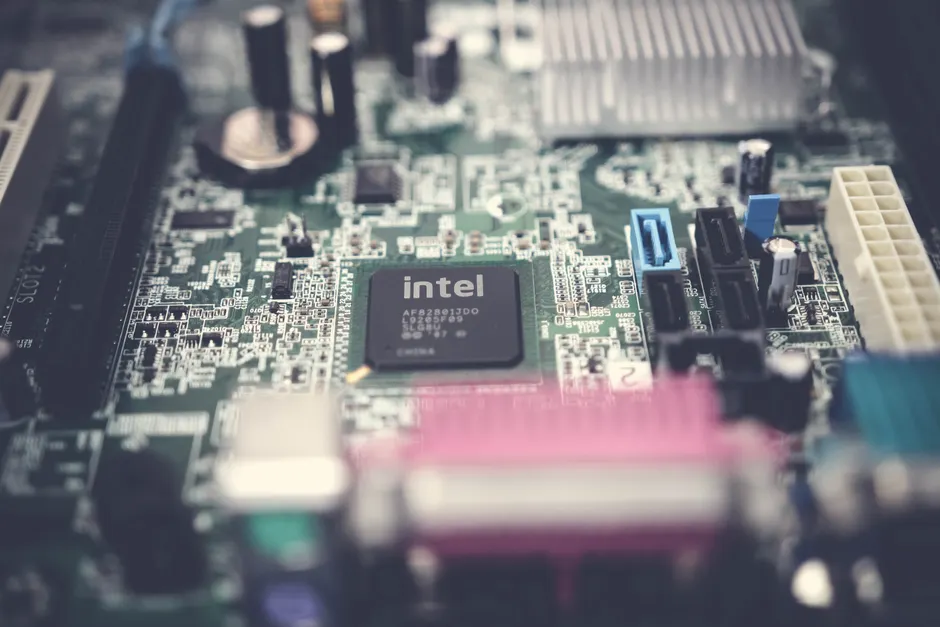
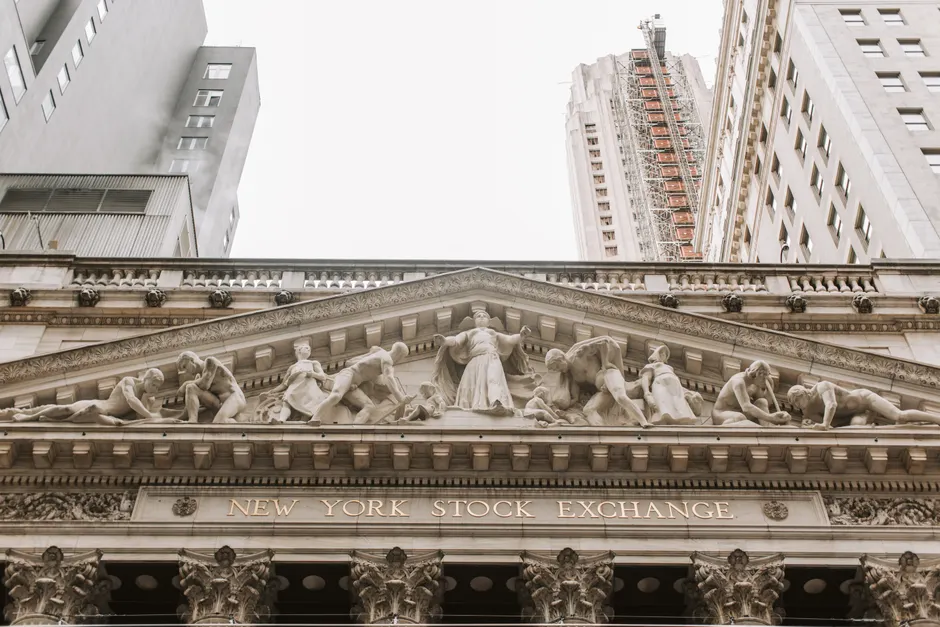
Wall Street futures climbed on October 19, 2026, as chip and AI-linked stocks bounced after a steep selloff the prior week.
The Nasdaq was up more than 1% as AI-linked stocks recovered, with Intel rising in the early move. Goldman Sachs had given CoreWeave a 'buy' rating ahead of the rebound. Yahoo Finance Reuters
The bounce followed a sharp pullback for chipmakers and other technology companies. Investors were concerned about debt taken on to build out AI. Yahoo Finance U.S. stocks had fallen on fears that AI profits would arrive too slowly to cover increasingly expensive borrowing costs. The Wall Street Journal
As of October 16, the S&P 500, the index of 500 large U.S. companies held in many retirement accounts, remained up about 12% in 2026. It had hit a record high the previous week, with most of that gain coming from AI-related tech stocks. Reuters
The stress was centered in neoclouds, smaller cloud firms that rent out AI computing power. CoreWeave and Nebius both closed the trading week ending October 16 down more than 25%. Yahoo Finance CoreWeave shares fell more than 11% on Friday, October 16 alone, taking weekly losses to nearly 25%. Reuters Shares of CoreWeave fell 12% and were down more than 50% from their highs earlier in 2026 on concerns about its ability to pay down debt. The Wall Street Journal CoreWeave carried a $50 billion debt load that fueled worries behind the selloff. Yahoo Finance
The broader context here is timing, not just the size of the debt. Building AI capacity means borrowing heavily now for cash that may arrive much later. Think of a toll road built with loans before any cars pay tolls. Lenders focus on repayment risk and loan terms. Stock investors focus on future growth. When funding costs rise or customer use is slow, those two views split fast and indebted stocks reprice first.
Looking at what this means for the wider market, the key is cash timing versus debt deadlines. For providers like CoreWeave, signed contracts, how fully data centers are used, and when loans come due matter more than headline sales growth. For the S&P 500, the issue is concentration. A narrow group drove gains, so a fall in that group drags the whole index and the index funds held by ordinary savers.
In my view, the October 19 rebound does not resolve the debt question. A 'buy' rating can lift sentiment. It does not change interest payments, due dates, or how long it takes for AI spending to turn into cash. If AI revenue speeds up, pressure can ease quickly. If not, volatility will stay clustered where borrowing is highest.